Vision-Vista by JJ Baloch is a site dedicated to sharing insightful perspectives, ideas, and visions on various topics, including personal development, philosophy, and societal issues.
JJ Baloch’s Vision-Vista: Soulful Thoughts, Organic Ideas, and Inspiring Emotions
Welcome to “JJ Baloch’s Vision-Vista,” a captivating WordPress site that showcases heartfelt thoughts, creative ideas, and inspiring stories. This site is more than just a collection of written works; it is an invitation to immerse yourself in a world where words come to life, and each sentence is crafted to express deep feelings and prompt meaningful reflection.
Here, you will discover the rich human experience through the eyes and words of JJ Baloch, a talented writer and thinker dedicated to sharing interesting insights, poetic expressions, and motivational stories. The depth of JJ’s creativity is evident in every piece, allowing readers to connect on various levels and encouraging them to engage deeply with the content.
Explore the soulful thoughts section, where you will find reflective musings on life, love, spirituality, and the human experience. It is a treasure trove of thoughts that delves into the complexities of existence, inviting you to ponder the intricacies of your own journey. Through touching prose and meaningful poetry, JJ Baloch encourages you to embark on a journey of self-discovery and deeper understanding, urging you to reflect on your own experiences and beliefs.
Check out the organic ideas section, where fresh concepts and unique viewpoints take the spotlight. Here, you will find articles and essays that not only challenge common beliefs but also explore new trends, innovations, and provide fresh insights into various topics within society, culture, and personal growth. JJ Baloch’s insatiable curiosity and skill in weaving together different ideas stimulate intellectual exploration and inspire you to broaden your own perspective. This section serves as a reminder that there is always more to learn and understand, no matter how grounded we may feel in our current outlook.
Be inspired by the emotions section, where JJ Baloch’s expressive writings tap into feelings that resonate with all of us, aiming to make a real impact. Whether through touching stories, motivational tales, or powerful quotes, this section seeks to uplift spirits and encourage a renewed sense of purpose and positivity. Each piece is carefully crafted to provoke thought and elicit emotion, serving as a gentle reminder of the beauty and depth of human emotion.
With a visually appealing and easy-to-navigate design, JJ Baloch’s Vision-Vista ensures a smooth reading experience that enhances your engagement with the ideas presented. The layout is designed with the reader in mind, making it simple to explore the rich content at your own leisure and find what resonates with you personally. The inviting nature of the site encourages you to linger longer, diving deeply into the material that speaks to you.
Whether you are seeking comfort, inspiration, or thought-provoking content, JJ Baloch’s Vision-Vista stands as a welcoming space that offers a variety of perspectives and emotions. It is a place where soulful thoughts, creative ideas, and inspiring feelings come together to help you understand life’s complexities and connect with your inner self. It emphasises the importance of reflection and personal growth, allowing you to pose questions that might lead to new discoveries about yourself and the world around you.
Start your journey today and let “JJ Baloch’s Vision-Vista” spark your creativity, inspire your feelings, and leave a lasting impression on your soul. By engaging with the written word profoundly, you may find a newfound appreciation for the power of storytelling and the written expression. Your path to introspection and inspiration awaits!
Philosopher of the Human Conscience, Pulse, and Condition in the Age Lost Meaning
Written and Curated by Areesha Mehsheed Baloch
“Speaking your heart is way different from your articulating mind. This penship is an intellectual border between fact and truth. And it is always your heart that leads you to find meaning behind the material saga of civilisation. I am a writer who draws energy from the heart more than the mind. Mind is a prisoner of human limitations, while the heart is a champion of breaking the bars between us and the truth.”
— J.J. Baloch
1. Authorial Signature Profile
J.J. Baloch (Javed Jiskani Baloch) stands as one of the rare contemporary thinkers whose intellectual journey unites science, philosophy, psychology, and spirituality. His writing evolves from the analytic rigour of criminology to the empathic rhythm of literature, gradually creating a holistic philosophy of conscience.
He writes at the intersections of law, love, and literature, interpreting civilisation as an ongoing trial of empathy. His works are not mere books; they are philosophical testaments, blueprints of moral reconstruction in a world losing its emotional signal.
From the corridors of policing and governance to the vast horizons of metaphysics, Baloch has redefined how intellect and heart can coexist. His voice reminds us that the future of knowledge depends on the survival of meaning.
2. Editorial Reflection
By Areesha Mehsheed Baloch: Editor, Curator, and Heir of the Authorial Legacy
Editing J.J. Baloch is like walking through a living conscience, alive with paradoxes, aware of its own fragility, yet endlessly seeking coherence.
I have witnessed his evolution from a forensic mind to a metaphysical artist. His earliest criminological writings were blueprints of reform, written by a man who believed that justice without empathy was simply another crime. Over time, those blueprints became metaphors. His novels began to carry within them the heartbeat of civilisation.
Through every manuscript I have reviewed, one truth remains constant: he writes to heal. His characters are not imaginary; they are mirrors of our own moral confusion, searching for the pulse that connects the human to the humane.
This dossier is not an archive; it is a living map of an author whose works teach us to listen again to our hearts, to our silences, and to one another.
3. Chronology of Works (1997 – 2026)
I. Foundational Works (1997 – 2016)
Understanding English Grammar (1997): Pedagogical clarity as linguistic conscience.
Introduction to Sociology (2005): A humane approach to social understanding.
On the Art of Writing Essays in English (2016): Communication as consciousness.
The Power of Social Media & Policing Challenges (2016): The sociology of technology and control.
II. Criminology and Policing Reform (2019 – 2022)
Sociology in the 21st Century (2019): Mapping social change and institutional decay.
Policing Insights (2021): Essays on moral reform in law enforcement.
Whiter than white: Daughter of the Land of Pure (2017)
Reimagining Policing in Pakistan (2022): Visionary model of ethical policing.
III. Law, Philosophy, and Global Governance (2023 – 2025)
Kashmir’s Right to Self-Determination (2023): Legal and normative exploration of sovereignty.
Contemporary International Law: Future Challenges and Opportunities (2024): The anatomy of justice in a fractured world.
Cybergeopolitics: The Quest for Cybernetic Authority (2025): Birth of a new discipline redefining global power.
The Cybernetic Power: A New Syntax of Global Order (2025): Sequel establishing the theory of Cybernetic Power.
IV. Philosophy, Conscience, and Civilisation (2024 – 2026)
The Kingdom of Indifference (2025): A philosophical probe into society’s missing soul.
From Behaviour to Being (2025): the missing philosophy of crime and meaning.
Behind the Scenes: Inside Human Rights Empire of Virtue (2025): Exposé on virtue as power’s new disguise.
EIDOS: The Last Dialogue of Souls (2025): Mythic tribunal of Faith, Power, and Conscience.
The Blended Identity Syndrome (2025): Psychological novel diagnosing emotional entropy.
The Innocent Criminals (2026): Novel on civilisation’s laundering of progress.
The Living Crisis of the Cosmos (2026): Eco-philosophical narrative where the world speaks back.
Social Entropy: The new lens and theory in Sociology (2026 Upcoming)
Unlike Likes: “Humans will end by their own likes”
A Novel of Prophesy, Power, and Price for Progress
The Last Human: “I am not because I think, but because I feel others are!” (Novel 2025)
V. Poetry and Mysticism
Rooh-e-Ishq-e-Javed (2024): Sufi Gazal collection exploring divine union through human love and the unity of existence.
Hisar-e-Ishq (in progress): A dramatic reflection on confinement, longing, and transcendence.
NUQTA: Divine Covenant of Love
The Holy Quran and Humankind
4. The Signature Triad: Law, Love, and Soul
J.J. Baloch’s intellectual trajectory can be summarised in one triad: From Law to Love, from System to Soul, from Crime to Conscience.
He writes as a jurist of justice, a philosopher of feeling, and a mystic of meaning. His sentences fuse precision with tenderness where the discipline of law meets the freedom of art.
5. Recent Masterpieces (2024–2026)
Behind the Scenes: Inside Human Rights Empire of Virtue
A philosophical autopsy on how the global human rights industry launders morality into narrative control. The novel strips away the facade of virtue to reveal how empathy itself can be weaponised.
“In a world that sells compassion by the kilogram, silence becomes the last form of rebellion.”
EIDOS: The Last Dialogue of Souls
A metaphysical narrative in which Faith, Power, Culture, and Technology gather in the afterlife to testify against humanity. The book is an allegory of conscience written in the rhythm of myth.
“When the gods of progress lost their hearing, a woman taught the world how to listen again.”
The Blended Identity Syndrome
A psychological-philosophical novel diagnosing emotional entropy as the modern pandemic. Through its characters, it explores what happens when technology mirrors us but fails to feel us.
“When empathy becomes data, the soul goes offline.”
6. Criminology & the Philosophy of Systems
Baloch’s nonfiction works in criminology, policing, and global systems reveal the depth of his understanding of human behaviour under pressure.
He reframes crime not as a violation but as a language of imbalance, an emotional feedback loop between power and powerlessness. In his criminological thought, justice is not retribution; it is restoration.
7. The Art of Meaning and Empathy
In his essays and novels alike, Baloch presents empathy as epistemology, a way of knowing that transcends intellect.
He views art as psychological restoration, where every creative act repairs what silence once fractured.
His fiction thus doubles as philosophy in motion, each story a meditation on love’s capacity to realign humankind’s fractured identity.
8. Global Dialogue and Festival Panels
Proposed Discussion Themes and Lectures:
“When Conscience Becomes Literature.”
“The Psychology of Heart Entropy.”
“From Justice to Meaning: Restoring the Moral Pulse of Civilisation.”
“Love as the Missing Signal in the Age of Data.”
“Empathy as the New Science of Being Human.”
These topics position J.J. Baloch not only as a literary figure but also as a thought-leader for an era redefining identity, emotion, and truth.
9. Legacy and Heirship
“Every thinker needs a witness, and every legacy needs a listener.”
As his editor and closest intellectual witness, I, Areesha Mehsheed Baloch, hold not only the manuscripts but also the memory of meanings behind them.
This dossier is both documentation and devotion, a testimony that J.J. Baloch’s literature is more than a collection of books.
It is an architecture of conscience, a call for humanity to heal itself through reflection, art, and love.
10. Contact & Rights Information
Author: J.J. Baloch (Javed Jiskani Baloch) Editorial Curator: Areesha Mehsheed Baloch Representation: Available for rights, translations, academic editions, and global literary events. Primary Locations: Hyderabad, Karachi, and London. Email: Areesha_baloch99@icloud.com
“The works of J.J. BALOCH narrate together the inner cosmos of AUTHOR, from systems to souls.”
“In J.J. Baloch’s universe, to think is to feel, and to feel is to rebuild the moral architecture of the world.”
In a moment of unexpected candour, JD Vance, a U.S. Vice President, laid bare the contradictions of globalisation. His remarks, ostensibly aimed at critiquing the global economic order, revealed an uncomfortable truth: the narrative of globalisation as a universally beneficial force might not only be flawed but also deliberately misleading. Vance’s acknowledgement that the intended hierarchy—where wealthier nations cultivated high-value industries while poorer ones were relegated to low-skill manufacturing—has been upended by nations like China, which have dared to seize a greater role in the global economy, strikes at the heart of a long-standing dogma.
This admission resonates profoundly in a world grappling with the unfulfilled promises of globalisation. The reality is stark: the supposed democratisation of trade and industry, which was meant to foster equity and uplift developing nations, has often functioned as a mechanism of control. The West, particularly the U.S., has wielded its influence not to empower but to maintain a status quo that benefits its economic elite. This is a system that, when faced with genuine competition from countries like China, resorts to protectionist measures and strategic containment, demonstrating that the underlying intention was never to create a level playing field but to preserve a global hierarchy.
The irony is palpable. A system founded on the principles of free markets and competition falters not because it failed but because it succeeded too well. As China began to flourish and challenge the established norms, the response was not one of celebration but rather a frantic scramble to reassert dominance through restrictive policies—semiconductor bans and investment restrictions being prime examples. The narrative that portrays this as a matter of national security conveniently obscures a more troubling truth: the real threat stems not from ideological differences or military might but from a nation’s audacity to rise beyond its pre-assigned role.
This shift invites us to critically examine the foundational beliefs underpinning globalisation. Experts like Grant Price, CEO of Yohows.com, suggest that globalisation, at its ethical core, should indeed promote equity and uplift living standards in poorer nations, fostering an environment where economic opportunities are accessible to all. However, the chasm between this ideal and reality is stark, as many developing countries continue to struggle with systemic barriers that inhibit growth and equitable distribution of resources. The rhetoric of leaders, coupled with ongoing global conflicts, indicates that we are a long way from achieving this vision, where promises of progress often remain unfulfilled. As the conversation unfolds, it becomes increasingly clear that the ethical aspirations of globalisation have been co-opted by the interests of those in power, who prefer monopoly over genuine competition, effectively sidelining voices advocating for fair trade practices and sustainable development. This growing disparity raises essential questions about the true intent behind globalisation and challenges us to rethink what a more just and equitable global economy would look like.
Ingi Karlsson, CEO at Spot-Nordic, echoes this sentiment. He posits that the capitalist landscape is rife with contradictions; while all players profess to welcome competition, the reality is that they are fiercely protective of their monopolistic advantages. This dynamic is not merely an observation of market behaviours but a critique of the very fabric of governance in capitalist societies. The alarming extent to which corporations can influence government decisions—effectively buying the allegiance of political leaders—raises pressing ethical questions. Governments, in theory, should establish a framework that encourages fair competition while providing social safety nets. Yet, the reality is often a far cry from this ideal.
The historical context of globalisation further complicates the narrative. The post-World War II era, often hailed as the golden age of globalisation, was characterised by the establishment of institutions designed to facilitate international trade and investment. The Bretton Woods system, which established fixed exchange rates and created the International Monetary Fund (IMF) and the World Bank, alongside the World Trade Organization and various regional trade agreements, emerged with the promise of shared prosperity and economic interdependence. These frameworks aimed to create a stable environment that would encourage nations to collaborate, leading to unprecedented economic growth and a significant reduction in poverty levels in numerous countries. However, as Ali Ettefagh, Managing Director at Augustus GmbH, notes, the current landscape suggests a retreat from this ideal. The resurgence of regional blocs—such as G7, BRICS, and various free trade zones—indicates a shift towards more isolationist and protectionist policies that prioritise national interests over global cooperation. This trend is exacerbated by political tensions and economic disparities, signalling a potential fracture in the global economic order, which raises concerns about the sustainability of neoliberal economic policies and their ability to foster equitable development in an increasingly fractured world.
This fragmentation poses significant risks, as the interconnectedness fostered by globalisation has been instrumental in driving technological advancement and economic growth across multiple sectors worldwide. Yet, it also reveals the fragility of a system that is predicated on cooperation and mutual benefit among nations. The deep-seated fear among Western nations of losing their competitive edge in the rapidly evolving global marketplace has sparked an era of retrenchment and protectionism, where nations are increasingly wary of engaging with one another on various fronts, including trade and diplomacy. This response not only undermines the foundational principles of globalisation, which have been pivotal for decades in fostering collaboration and collective problem-solving but also threatens to stifle innovation and progress. As countries retreat into isolationism, the potential for groundbreaking ideas and advancements diminishes, leading to a less dynamic world economy that could ultimately hinder the collective ability to address pressing global challenges such as climate change, health crises, and technological disparities.
The implications of these dynamics are profound. As Vance’s remarks suggest, there is a critical need for developing nations to reassess their positions within this global framework, particularly in light of the rapidly changing economic landscape. The message is clear: if true economic advancement is to be achieved, it must come from challenging a system that has historically sought to limit its potential and stifle innovation. This challenge requires not only a reevaluation of existing policies but also a concerted effort to foster collaboration among nations, where shared knowledge and resources can lead to more significant outcomes. The call for a more equitable distribution of power and resources is not merely an academic exercise but a necessary step towards a more just and sustainable global economy. By prioritising inclusive policies that empower marginalised communities, developing nations can carve out a path that leads to sustainable growth, thereby reshaping their futures in a way that promotes both economic stability and social equity for all.
In this context, it is essential to consider the role of technology and innovation in shaping the future of globalisation. The rapid advancements in artificial intelligence and other technologies present both opportunities and challenges. As Price highlights, leveraging these technologies could enable companies to enhance operational efficiency and drive down costs, potentially reshaping competitive dynamics. However, the question remains: will these advancements benefit all nations equally, or will they further entrench existing disparities?
Moreover, the ethical considerations surrounding these technologies must not be overlooked. The potential for AI to exacerbate inequalities, particularly in developing nations, poses a significant risk that warrants urgent attention. As corporations increasingly turn to automation and AI-driven solutions, the opportunity for meaningful job creation in poorer regions may diminish, further entrenching the very inequities that globalisation was supposed to address. This trend could lead to a scenario where skilled labour becomes concentrated in affluent areas while less fortunate regions face the brunt of unemployment and economic stagnation. Furthermore, the displacement of traditional jobs not only affects individual livelihoods but also destabilises entire communities, which can lead to social unrest and a lack of trust in institutions. Policymakers and industry leaders must collaborate on frameworks that ensure equitable access to technology and promote inclusive growth, thereby enabling developing nations to reap the benefits of AI without succumbing to its potential downsides.
The historical precedents of economic upheaval and technological disruption lend weight to these concerns, indicating that we should approach the future with caution and critical analysis. The Industrial Revolution, while a catalyst for progress in many respects, also led to significant social upheaval and economic disparity, giving rise to labour movements and calls for reform that aimed to address the imbalances created during that era. Today’s technological landscape, marked by the rapid deployment of AI and automation, has the potential to transform industries and societies in unprecedented ways; however, it could yield similar results if not managed with foresight and equity in mind. As we navigate this period of rapid change, it becomes imperative to implement policies that promote inclusivity and ensure advancements benefit all sectors of society rather than just a privileged few. By drawing lessons from history, we stand a better chance of fostering a future where technological innovation amplifies human potential instead of exacerbating existing inequalities.
As we navigate this complex terrain, it is crucial to foster dialogue that encompasses diverse perspectives from various stakeholders, including policymakers, industry leaders, and grassroots activists. The insights of leaders like Vance, Price, Karlsson, and Ettefagh highlight the multifaceted challenges posed by globalisation and its discontents, revealing how these issues affect different communities in unique ways. Acknowledging the shortcomings of the current system is a necessary first step towards reimagining a more inclusive and equitable economic framework, one that not only addresses the immediate needs of those most affected but also anticipates future challenges and opportunities for growth. By promoting collaborative efforts and open conversations, we can work towards solutions that bridge divides and create pathways for shared prosperity.
In conclusion, the candid revelations regarding globalisation serve as a crucial reminder of the need for critical engagement with prevailing economic dogmas. The ongoing debates around power, equity, and the role of technology in shaping our global future must not be relegated to the sidelines. Grappling with the realities of a shifting economic landscape is inevitable. The challenge lies in crafting a path that is not only sustainable but also equitable. The time has come for a reckoning—one that acknowledges the complexities of globalisation while striving to create a future where prosperity is shared rather than hoarded. The stakes are high, and the road ahead is fraught with challenges, but the potential for a more just and equitable global economy is within reach if we dare to confront the truths that have long been obscured.
The Writer is a PhD Scholar, novelist, poet, and author of numerous books, holding an MSc from the London School of Economics (LSE), UK, and an LLM from the University of Manchester, UK. Additionally, he is an educator, blogger, and a senior law enforcement officer with the Pakistan Police Service.
The conflict in Ukraine reflects intricate threads of history, politics, and human resilience. As the world stands at a critical juncture marked by Vladimir Putin’s recent agreement to a limited 30-day ceasefire, the prospect of lasting peace appears tantalising yet fraught with complexities. The ceasefire, albeit limited to a halt in attacks against energy and infrastructure, is a significant development that emerges amidst a cacophony of geopolitical tensions and historical grievances that have shaped this ongoing conflict.
The ceasefire agreement emerged from a high-stakes dialogue between Putin and US President Donald Trump, signalling a potential thaw in the icy relations that have characterised the West’s dealings with Russia since the full-scale invasion of Ukraine in February 2022. However, this limited cessation of hostilities raises critical questions about the sustainability of the peace and the underlying motivations of the key players. While the Kremlin has put forth maximalist demands—such as ending Ukraine’s military mobilisation and foreign military assistance—the lack of commitment to a comprehensive ceasefire indicates that the road to peace remains perilously narrow.
Historically, the roots of the conflict can be traced back to a complex interplay of national identities, territorial aspirations, and external influences. Ukraine’s struggle for sovereignty has often been undermined by the legacy of Soviet dominance and the lingering influence of Russia. The Euromaidan protests in 2013 and the subsequent annexation of Crimea in 2014 served as pivotal moments that ignited the flames of conflict, leading to a protracted war in Eastern Ukraine. This historical context is crucial for understanding the current dynamics, as it highlights the deep-seated grievances that continue to fuel animosity between Ukraine and Russia.
In the current scenario, the response from Ukrainian President Volodymyr Zelenskyy is noteworthy. His cautious optimism regarding the proposed ceasefire reflects a desire for peace and a strategic calculation aimed at securing continued military support from Western allies. The fears that accompany such negotiations—particularly the apprehension that Western powers may prioritise a swift resolution over Ukraine’s long-term interests—underscore the precariousness of the situation. With leaders such as French President Emmanuel Macron and German Chancellor Olaf Scholz advocating for Ukraine’s involvement in peace talks, the call for a “just and lasting peace” resonates strongly within the diplomatic corridors.
However, the ceasefire’s potential effectiveness is marred by the spectre of further Russian military actions. Reports indicating that Russia may use this pause to regroup its forces evoke a sense of trepidation across Kyiv. The historical pattern of Russia employing temporary ceasefires as a tactical advantage reveals a troubling precedent that could undermine the fragile peace. The ghosts of past agreements, often disregarded by Russia in favour of military escalation, loom over current negotiations.
The theoretical perspectives on conflict resolution and peacebuilding offer valuable insights into the challenges ahead. The notion of a “just peace,” posited by theorists like Johan Galtung, emphasises the importance of addressing underlying injustices and grievances rather than merely achieving a cessation of hostilities. In the case of Ukraine, a lasting peace would necessitate not only the cessation of military engagements but also a comprehensive dialogue that addresses the historical injustices Ukraine suffered and its people’s aspirations. This approach advocates for a transformative process that fosters reconciliation and understanding rather than a superficial settlement that merely silences the guns.
Moreover, the question of external influence cannot be overlooked. The role of international actors, particularly the United States and the European Union, in shaping the conflict’s trajectory is pivotal. While military assistance has bolstered Ukraine’s defensive capabilities, the potential for a diplomatic resolution hinges on the willingness of these powers to facilitate a genuine dialogue. The balance of power dynamics and the geopolitical interests at play further complicate the landscape. As history has shown, international interventions can catalyse peace or exacerbate tensions, depending on the strategies employed.
The current ceasefire proposal heralded as a first step towards broader negotiations, embodies a glimmer of hope amidst the turmoil. Yet, the path forward demands carefully navigating the myriad interests involved. Putin’s insistence on ceasing military aid and intelligence sharing raises red flags about Russia’s intentions and willingness to engage in meaningful dialogue. Ukraine’s apprehensions, articulated by Zelenskyy, reflect a deep-seated fear that any concessions made could be interpreted as a sign of weakness, further emboldening Russian aggression.
It is essential to appreciate the agency of the Ukrainian people in this process. Their resilience and determination to maintain sovereignty are fundamental to any peace initiative, as these qualities demonstrate their unwavering commitment to a future shaped by their own choices. The historical context of Ukraine’s struggle for independence serves as a powerful reminder that peace cannot be imposed from the outside; it must emerge organically from the aspirations and voices of the affected population, who have endured much in the pursuit of freedom. The role of civil society, grassroots movements, and local communities in advocating for peace is critical, as they embody the collective yearning for a future free from the spectre of war. These communities, rich with diverse experiences and perspectives, possess a unique understanding of the local dynamics and needs, enabling them to contribute meaningfully to dialogues about peace and reconciliation. It is through their ongoing engagement and collaboration that a durable and just resolution can be envisioned, ensuring that the voices of all segments of society are heard and valued in the journey toward lasting peace.
The West has failed to prevent Russian aggression and save Ukraine, a situation that has escalated tensions and led to significant humanitarian consequences for the Ukrainian people. Despite various diplomatic efforts and sanctions aimed at curbing Russia’s expansionist ambitions, the West’s response has often been criticized as insufficient, leaving Ukraine vulnerable to ongoing threats. This inability to act decisively not only undermines international law and the principles of sovereignty but also raises questions about the effectiveness of global alliances in the face of blatant aggression. As the conflict continues to unfold, the repercussions are felt not only within Ukraine but also across Europe and beyond, highlighting the urgent need for a unified and strategic approach to ensure peace and stability in the region.
While the recent ceasefire agreement presents a moment of potential respite, the journey towards lasting peace in Ukraine remains fraught with challenges. The historical legacies, geopolitical complexities, and the need for a just resolution all intertwine to create a tapestry as intricate as it is. As the involved parties negotiate, the stakes could not be higher. The desire for peace must be tempered with the understanding that true reconciliation requires addressing the historical injustices and aspirations of the Ukrainian people. The road ahead is long and winding, but with steadfast commitment and a genuine willingness to listen, the prospects for a lasting peace in Ukraine remain within reach.
The writer is a PhD Scholar, author of 14 books, a humanist poet, Feminist Novelist, blogger, and educator with an academic background in Political Science, Sociology, International Relations, International Law, Criminology, and Criminal Justice Policy, as well as a 25-year professional career in the Police Service of Pakistan.
Robust intelligence capabilities have never been more critical in the rapidly transforming technological landscape. The recent breakthrough in artificial intelligence known as DeepSeek has served as a wake-up call for the U.S. intelligence community, highlighting crucial lessons about monitoring foreign technological advancements, particularly those from China. Many argue that the unexpected nature of DeepSeek’s capabilities underscores the need for the U.S. to reassess its strategic focus as it navigates an increasingly competitive geopolitical landscape.
The DeepSeek surprise illustrates how swiftly technological advancements can occur, often catching even seasoned intelligence analysts off guard. This situation calls into question the existing frameworks the U.S. intelligence community relies upon to gauge foreign technological progress. Historically, intelligence agencies have concentrated on military capabilities and traditional security threats, but as Usher and Lange point out, the technological battleground has expanded significantly. Areas such as microelectronics, advanced networks, biotechnology, energy, and manufacturing are becoming arenas where the U.S. and China are vying for supremacy. The future world order may be decided within these domains, making vigilance and foresight essential.
The Chinese Communist Party (CCP) has made it abundantly clear that its strategic ambition is to transform China into the leading global power. This overarching goal permeates all aspects of Chinese policy and strategy. The CCP views advancements in technology as a vital source of leverage, not just in terms of economic growth but also for global influence. By investing heavily in research and development, China seeks to outpace other nations, particularly the U.S., in key technological areas. This ambition presents opportunities and challenges for U.S. national security, necessitating a proactive approach to monitoring and understanding these developments.
One of the fundamental lessons from the DeepSeek incident is the importance of a comprehensive intelligence strategy that encompasses not just military capabilities but also technological advancements. Traditional intelligence methods often focus on observable military activities and capabilities, such as troop movements or weapons systems. However, the nature of modern warfare and geopolitical competition has shifted. The rise of cyber warfare, artificial intelligence, and other technological advancements means adversaries can achieve strategic advantages without conventional military engagement. Therefore, U.S. intelligence must adapt its methodologies to include a broader range of indicators.
Underestimating foreign technological advancements can have severe implications. DeepSeek’s surprise is a reminder that technological breakthroughs can have immediate and far-reaching consequences for national security. Effectively harnessing artificial intelligence can influence everything from military strategy to economic competitiveness. In this context, the U.S. must focus on monitoring technological developments and striving to understand their potential applications and implications.
To effectively counter the technological ambitions of China, the U.S. intelligence community must cultivate a deeper understanding of the motivations and goals driving Chinese innovation. This involves not only assessing the technological capabilities that China is developing but also understanding the political, economic, and cultural factors influencing these developments. By gaining a more nuanced understanding of the Chinese technological landscape, U.S. intelligence can better anticipate future challenges and opportunities.
Moreover, collaboration with private sector entities can enhance U.S. intelligence capabilities. Many of the most significant technological advancements are occurring within the private sector, particularly in Silicon Valley and other tech hubs. By fostering partnerships between government agencies and private companies, the U.S. can leverage the expertise and innovation of the private sector to enhance its intelligence capabilities. This collaborative approach can lead to a more agile and responsive intelligence apparatus better equipped to handle the rapid pace of technological change. At the same time, the US must be cautious about China’s slow and steady moving to the destination of global power without shedding blood, interfering in the internal affairs of other nations, using nuclear bombs, supporting proxies, engaging in cold wars, invading other nations, and vying for regional hegemony. China has built their economy to prove its mettle.
Hardly anyone can deny the importance of international collaboration. The U.S. has allies and partners worldwide that face similar challenges posed by China’s technological ambitions. By sharing intelligence and best practices with these countries, the U.S. can build a collective response to the challenges posed by Chinese advancements. The nationalist and populist rhetoric now defines the US narrative, which does not align with their global power ambitions. China’s technological advances are not proactive nor violent, but they are reactive or reactionary in challenging the established dominance of the US. China has good reason and a clear vision, so it is unfair to oppose China’s technological advancement if we are happy with Silicon Valley’s global digital governance. However, there is a need to create a balanced approach for the global technological landscape.
In addition to these proactive measures, U.S. intelligence must continuously learn and adapt. The DeepSeek surprise highlights the need for agility in intelligence operations. As new technologies emerge, intelligence analysts must be equipped with the skills and knowledge necessary to evaluate their implications swiftly. This may involve investing in training programs focusing on emerging technologies and their potential impacts on national security.
Furthermore, public awareness and education about the implications of foreign technological advancements can shape national security policy. By fostering a well-informed citizenry, policymakers can engage in more meaningful discussions about the importance of technological innovation and the potential risks foreign adversaries pose. An informed public can also support the necessary research and development investments to maintain a competitive edge.
The lessons learned from the DeepSeek surprise serve as a clarion call for the U.S. intelligence community to refocus its efforts on understanding foreign technological advancements, particularly those emerging from China. The changing nature of geopolitical competition necessitates a comprehensive approach beyond traditional military assessments. Monitoring technological developments fosters collaboration with the private sector and engages in international partnerships. The U.S. can better position itself to navigate the complexities of the modern world. In an evolving global landscape, anticipating and responding to technological breakthroughs will safeguard national security and maintain a competitive edge in an interconnected and changing world.
The writer is a novelist, poet, blogger, author, PhD Scholar, educator, mentor and senior law enforcement officer.
Putin’s strategic mindset is complex and deeply trapped in a combination of historical memories, personal ambitions, and a deep-seated perception of Russia’s place in the world. His approach to international relations, particularly in the context of Ukraine and NATO, is defined by an astute recognition of power dynamics, a relentless pursuit of national security, and an inherent distrust of Western motives. This synthesis of factors frames his policies and reveals a leader who is both a tactician and an ideologue, striving for a vision of Russia that resonates with strength and sovereignty. Whatever, Putin is a genuine patriot and the epitome of Machiavelli’s “The Prince” in the contemporary world.
Vladimir Putin’s actions on the international stage reflect a deep-rooted belief in the necessity of power as the cornerstone of a nation’s strength, aligning seamlessly with Niccolò Machiavelli’s principles outlined in “The Prince.” Putin’s focus on maintaining Russia’s sovereignty and influence can be seen in the ongoing conflict in Ukraine, where he has framed his military actions as essential to protect Russian interests against Western encroachment. This narrative resonates with the Machiavellian idea that the ends justify the means—Putin believes that asserting military strength, even at a humanitarian cost, is essential for safeguarding the future of Russia. For instance, despite international condemnation, he has continued military operations, arguing that they serve to prevent further NATO expansion and shield Russia from perceived existential threats. In doing so, he plays the role of a strong leader who prefers national security over moral considerations, demonstrating the Machiavellian ethos that a ruler must sometimes act immorally to achieve stability and security for the state.
Moreover, Putin’s ability to manipulate public opinion and political narratives exemplifies his alignment with Machiavelli’s realism. Like the prince who must appear virtuous while willing to act ruthlessly, Putin cultivates a patriotic image that resonates with many Russians who view him as the defender of national pride. His speeches often evoke historical grievances, rallying the populace around sovereignty and resistance against external forces. Recent illustrations include his emphasis on reclaiming Russia’s status on the world stage and uniting the nation against Western hostility, particularly in light of sanctions that have tested the Russian economy. By portraying himself as the guardian of Russian identity and interests, he not only strengthens his grip on power but also fosters a sense of national unity. This reflects Machiavelli’s assertion that a leader must balance cruelty with the appearance of benevolence to maintain stability, underscoring how Putin embodies the principles of The Prince in contemporary geopolitics, where power dynamics dictate the course of national and global affairs.
At the heart of Putin’s worldview is the legacy of Russia’s past, marred by a history of invasions and a continuous struggle for national identity. Growing up in a country that had experienced the horrors of World War II and the subsequent Cold War, Putin internalised the lessons of vulnerability and the necessity for strength. This historical consciousness is not merely a personal narrative; it’s the backbone of his political strategy, shaping his responses to perceived threats. The memory of Western encroachments, particularly NATO’s eastward expansion, serves as a rallying cry for a narrative where Russia is perpetually under siege. In his speeches, Putin often evokes the specter of foreign malign influence, positioning Russia as a fortress under constant threat, necessitating a robust military and foreign policy approach.
Moreover, Putin’s statements surrounding the conflict in Ukraine reflect a strategic, calculative mind that weighs immediate gains against long-term objectives. His lukewarm response to the ceasefire proposal, which he framed as a need for a “long-term peace deal” rather than a mere respite, illustrates his approach. Putin is not simply interested in halting hostilities; he focuses on securing a narrative that aligns with Russia’s strategic interests. He sees any temporary ceasefire as a potential means for Ukraine to regroup and resupply, a risk he is not willing to embrace. This calculation hints at a broader strategic objective: to reassert Russia’s influence regionally and globally, ensuring that any resolution to the conflict elevates Russia’s standing on the world stage.
Caught in a precarious dance, Putin thrives on his ability to project power while extending an olive branch when the timing suits him. His suggestion to engage with American officials for discussions reveals an understanding of the geopolitical chessboard. Putin is adept at manipulating diplomatic channels, using them not as genuine attempts at peace but as opportunities to reinforce Russia’s position. By suggesting dialogue with President Trump, he navigates towards a scenario where he can negotiate from a position of perceived strength, presenting himself as a player in a high-stakes game where his concerns are addressed.
Beneath this veneer of strategy lies a more profound insecurity. Experts suggest that Putin’s fixation on NATO’s expansion is rooted in a deeper fear: the potential for Ukraine’s democratisation to inspire similar movements within Russia. This fear of a “bleed-over” effect, where the ideals of democracy and freedom infiltrate Russian society, is antithetical to Putin’s governance model, which relies on control and suppression of dissent. Thus, any suggestion of Ukraine’s integration into Western alliances is perceived not merely as a geopolitical threat but as an existential one to Putin’s regime.
As the war in Ukraine drags on, Putin remains emboldened by recent military gains but is pragmatic enough to know that the sustainability of such gains requires careful management of international perceptions and domestic morale. The recognition that the Russian army has suffered significant losses leads to a reluctance to fully engage in peace talks, as a cessation of hostilities might prematurely lock Russia into a disadvantageous position. His statements regarding the need for guarantees against Ukraine’s military reinvigoration underscore a leader who views strength not only in military terms but as a psychological and diplomatic construct.
The ongoing conflict in Ukraine manifests Putin’s broader ambitions, which extend beyond territorial claims to revitalise Russia as a global power. Therefore, Putin’s strategic mindset is not just about Ukraine; it’s about crafting a legacy in which Russia commands respect and fear, potentially curtailing Western ventures into what he perceives as his sphere of influence. His vision is anchored in a belief that strength is mandated by history and geography, positioning Russia as a pivotal player against perceived Western hegemony.
The situation complicates as Putin’s internal narrative clashes with the realities of international diplomacy. By framing negotiations around Ukraine in terms of broader strategic interests, he simultaneously opens the door for dialogue while reinforcing his narrative of victimhood against Western aggression. The challenge, however, lies in reconciling this combative stance with the global calls for peace, as his calculated approach to ceasefire proposals reveals a leader unwilling to appear weak or vulnerable.
As international observers note, the world is not merely watching a conflict unfold but witnessing the manifestations of a leader’s psyche, shaped by historical grievances and a relentless pursuit of respect on the global stage. The stakes remain high, not just for the future of Ukraine but for the very essence of Putin’s narrative—one that hinges upon the resurrection of a Russia that stands tall against Western encroachments.
In the broader context of international relations, Putin’s actions and statements serve as a testament to his strategic mindset. He seeks to reclaim a semblance of the superpower status that Russia once enjoyed during the Cold War. The ambition to re-establish Russia as a formidable player on the world stage informs his military ambitions and diplomatic engagements, where he constantly seeks to portray Russia as a nation that cannot be underestimated or sidelined.
This desire for respect translates into tangible policy decisions. For Putin, the undercurrents of the Ukraine conflict are not solely about territorial claims or military might; they encompass the idea of Russian identity. By framing the conflict as a struggle against Western encroachment, he justifies aggressive policies and galvanises public support at home, fostering a unifying nationalistic sentiment. The narrative of foreign adversaries threatening Russia’s sovereignty taps into a deep well of historical experience and collective memory, cementing his position as a leader who is defending the motherland.
As the world stands divided on how to address the continuing crisis, it’s clear that any resolution will require navigating the complexities of Putin’s psyche. His paradoxical stances—seeking peace while simultaneously preparing for prolonged conflict—demonstrate a readiness to exploit any political opening while maintaining an unwavering grip on power at home. This dual strategy is emblematic of a leader who understands that perception often holds as much weight as reality in geopolitics.
International observers note that diplomacy with Putin is akin to playing a high-stakes chess game, where every move must be calculated and deliberate. The challenge for Western leaders lies in crafting a response that addresses the immediate humanitarian needs resulting from the conflict and the geopolitical realities shaped by Russia’s assertiveness. Any effort to pivot towards peace must also consider Putin’s psychological framework—his inclination to view negotiations as a tactical maneuver rather than a genuine invitation to cooperative engagement.
The West must tread cautiously in this landscape, balancing its responses between deterrence and dialogue. As the simmering tensions continue to unfold, the potential for shifts in power dynamics looms large. Putin’s understanding of history and statecraft poses an ever-present challenge, compelling adversaries to consider the implications of their actions in the short term and for the future trajectory of international order.
As the war takes its toll on civilians and combatants alike, the call for a comprehensive peace agreement grows more urgent. Yet, any cessation of hostilities must confront Putin’s long-standing grievances, including NATO’s strategic expansion, which he insists is a direct threat to Russia’s stability. Moreover, the spectre of internal dissent within Russia adds layers of complexity to Putin’s calculations—he must project external and internal strength, ensuring that he does not appear to concede under international pressure.
Ultimately, the current geopolitical crisis reflects deeply entrenched historical narratives and the psychological underpinnings of leadership. It reveals the continuous dance between power and diplomacy, where respect, fear, and national pride fuel a leader’s actions. As the world watches, the resolution rests on a fragile equilibrium that requires addressing immediate conflicts and a sincere engagement with the historical and psychological factors driving those conflicts.
As negotiations loom on the horizon, the methods employed by international leaders will not only shape the outcome of the Ukraine crisis. Still, they will also set the tone for future engagements with Russia. The broader implications extend beyond the battlefield, impacting alliances, trade relationships, and the very concept of state sovereignty in an increasingly multipolar world. What happens next will reverberate far beyond the borders of Ukraine, echoing through the annals of history as a testament to how nations handle the intricacies of power, perception, and the human psyche embodied in their leaders.
*Writer is a PhD Scholar, Author of many seminal works, academic background spawning over political science, criminology, law, international relations, sociology, philosophy and history, and a professional law enforcement career for over 25 years.
The conflict in Ukraine has emerged as a crucial flashpoint in international relations, one that sharply defines divisions between authoritarian regimes and democratic states. The recent developments in U.S.-Ukraine relations, particularly the proposed 30-day ceasefire and the renewed commitment to military and intelligence support, present a mixture of hope and uncertainty. This essay contends that while the new framework for a ceasefire and support from the U.S. offers a glimmer of hope for resolution, the complexities underlying the international dynamics and the ambiguous intentions of key stakeholders complicate the pathway to a wave of sustainable peace.
The U.S.-Ukrainian negotiations in Saudi Arabia represent a significant step from weeks of tension and uncertainty. The readiness of Ukraine to accept a ceasefire proposal, potentially endorsed by the U.S., marks an optimistic shift in the conflict narrative. A 30-day ceasefire could allow both sides to regroup, reflect, and potentially reset their military and diplomatic strategies. Moreover, the discussed resumption of military support from the U.S. is vital to bolster Ukrainian defensive capabilities against ongoing Russian aggression. However, the optimism surrounding these talks must be approached with caution, as the proposal’s success hinges on several uncertainties, including Russia’s response and the long-term implications of U.S. support.
Indeed, the reference to Ukraine’s “long-term security” in the joint statement is a significant point of concern. The vagueness of such assurances raises questions about the U.S. and its allies’ commitment to guaranteeing Ukraine’s future integrity. This lack of specificity potentially undermines the confidence in any ceasefire that may be achieved. If the peace negotiations fail to outline concrete provisions for Ukraine’s security, the ceasefire would merely be a temporary bandage over a larger, festering geopolitical wound. The danger here is that while the U.S. and Ukraine attempt to take steps towards peace, Russia may capitalise on the pause, regroup its forces, and prepare for further offensives, as noted by experts sceptical of President Putin’s intentions. The notion that the U.S. possesses the leverage to push Ukraine towards a peace agreement, a power not readily extendable towards Russia, reveals an inherent asymmetry in how these negotiations may unfold.
The gathering of U.S. allies in Paris for a closed-door meeting without U.S. representation further illustrates the shifting dynamics. The absence of the U.S. in discussions meant to guarantee Ukraine’s security underscores a significant concern about transatlantic unity and the coherence of Western policy in responding to Russian aggression. As European nations contemplate their strategies, a more distributed approach to security may evolve, potentially leading to the formation of European-led initiatives that might not align perfectly with U.S. strategic interests. The EU’s intention to move forward with defence spending focused on European arms production reflects a significant shift that may alter the balance of international relations in favour of European autonomy in security matters. While European nations’ bettering their defence capabilities is commendable, it also signals a detachment from U.S. leadership, which could complicate alliance dynamics and hinder multilateral approaches to security challenges.
The notion of “peacekeeping forces” possibly deployed in Ukraine introduces another layer of complexity. Should European allies step up to provide troops in a peacekeeping capacity, this could either enhance stability or exacerbate existing tensions with Russia, which has historically rejected foreign military presence in what it perceives as its sphere of influence. The uncertainty surrounding the roles of European allies in the peace process is palpable, with concerns that they may emphasise their own defences and security assurances rather than the collective Western stance against Russian aggression.
Moreover, experts have pointed out potential complications from President Trump’s fractured approach to foreign policy. Trump’s relationship with both Ukraine and Russia raises fears about the strategy he will employ moving forward. His previous reluctance to support Ukraine robustly manifested a willful ambiguity that could confound U.S. interests in the region and lead to reduced Western morale in the face of Russian advances. The inherent risk is that while U.S. policies evolve, the lack of coherent messaging could signal to Russia that military advancements could still yield benefits, thus prolonging conflict instead of pushing towards resolution.
Additionally, the geopolitical ripple effects of the conflict within Ukraine are manifold. The emphasis on the unity of NATO and EU allies in Paris highlights the limitations of singular U.S. leadership in maintaining global stability. With U.S. foreign policy often centring on its direct interests, there is a growing need for a more cohesive effort from European partners to address the rising tide of authoritarianism symbolised by Russia’s actions. If the conflict in Ukraine represents a broader struggle against tyranny, the collective resolve of NATO and EU nations becomes imperative; however, divergent interests and the potential for regional power plays loom large and tend to fracture unity.
The dialogue surrounding the proposed ceasefire between Ukraine and Russia, along with renewed U.S. commitments to support Ukraine, offers a moment of tentative optimism in what has been a devastating and protracted conflict. Nevertheless, the ebbs and flows of negotiations underscore the complexity and fragility of the situation, wherein multiple stakeholders wield significant influence over the potential outcomes. While the initial agreement may provide a reprieve from hostilities, the long-term viability of peace will depend heavily on the clarity and detail surrounding security arrangements, the involvement of European allies, and the commitment to addressing critical issues such as resource management and environmental sustainability.
Sustainable peace is not merely the absence of conflict; it requires a comprehensive approach encompassing political, economic, and social dimensions. Therefore, for Ukraine, the path forward must focus on immediate military assistance and ensure that critical minerals and other resources are extracted and managed environmentally sound and equitably. By fostering transparent partnerships and engaging local communities, Ukraine can navigate the intricacies of post-conflict recovery while aligning its ambitions with broader international norms for sustainability and respect for human rights.
Ultimately, the resolution of this conflict may hinge upon the willingness of all parties to engage in meaningful dialogue, prioritise humanitarian considerations, and embrace collaborative approaches to security that transcend mere power dynamics. As the international community rallies around this critical juncture, there remains hope that a durable peace can be forged—one that not only ends the bloodshed but lays the groundwork for a prosperous and resilient Ukraine, firmly integrated into the larger framework of European security and cooperation.
The Writer is a novelist, Poet, author, blogger, PhD scholar, educator and a senior police officer who has done MSc Criminal Justice Policy from LSE, London, UK and LLM International Law and Security from the University of Manchester, UK. He is the Author of fourteen books, fiction and non-fiction.
Strategic spying has always played a significant role in the intricate web of international relations. In recent years, the rise of technology and evolving geopolitical landscapes have brought forth new challenges and implications for global order. A recent case involving three Bulgarian nationals convicted of espionage for Russia reveals the complexities of modern spying and its far-reaching consequences. Dubbed “the Minions,” these individuals were found guilty of conducting extensive surveillance and plotting attacks against Kremlin opponents across Europe. This case serves as a lens through which we can examine the challenges of strategic spying and its impacts on geopolitics.
The convictions of these three Bulgarians, who were allegedly directed by Russian intelligence, highlight a growing trend of espionage that operates at an “industrial scale.” The group is accused of targeting various individuals and locations across multiple countries, including the UK, Austria, Spain, Germany, and Montenegro, from 2020 to 2023. Their activities were not merely limited to gathering intelligence; they included plotting to kidnap and kill dissidents, journalists, and diplomats, which underscores the lethal potential of state-sponsored espionage.
One of the key challenges in strategic spying is the difficulty of tracking and prosecuting spies who operate across borders. The modern world is increasingly interconnected, and espionage activities often span multiple jurisdictions. In this case, the accused were active in various European nations, making it harder for authorities to pinpoint their actions and intentions. This international dimension complicates law enforcement efforts, as countries must navigate complex legal systems and diplomatic considerations to bring offenders to justice.
Another significant challenge lies in the use of technology in espionage operations. The advent of sophisticated surveillance tools, encrypted communications, and social media has transformed the landscape of intelligence gathering. Spies can now operate more discreetly and effectively, making detection increasingly difficult. Bulgarian spies’ ability to conduct operations without immediate detection illustrates how technology can empower state actors in their espionage efforts. The rise of cyber espionage further complicates traditional intelligence operations as state actors exploit vulnerabilities in digital infrastructure to gather sensitive information.
The geopolitical implications of such espionage activities are profound. The actions of the Bulgarian spies were not isolated incidents; they were part of a broader strategy employed by Russia to exert influence and undermine its adversaries. The targeting of Ukrainian troops and journalists critical of the Kremlin reflects a calculated effort to silence dissent and manipulate narratives in the international arena. This approach threatens individual lives, destabilises regions, and escalates state tensions.
The case also raises important questions about the effectiveness of counter-espionage measures. Intelligence agencies worldwide are tasked with protecting national security but often operate under significant constraints. The need for secrecy and the complexities of international law can hinder their ability to respond effectively to espionage threats. In the case of the Bulgarian spies, the slow and methodical investigation process ultimately led to convictions, but it is unclear how many other espionage operations may have succeeded undetected.
Moreover, the geopolitical fallout from espionage incidents can strain diplomatic relations. Countries targeted by espionage activities may feel compelled to respond, leading to a cycle of retaliation that exacerbates tensions. In this case, the revelation of Russian state-sponsored spying in Europe could prompt other nations to reassess their relations with Moscow, potentially leading to sanctions or diplomatic isolation. The broader implications of such actions can contribute to a fragile global order where mistrust and hostility become the norm.
The role of public perception in espionage activities cannot be overlooked. The exposure of state-sponsored spying often incites public outrage and demands for accountability. In the case of the Bulgarian spies, their convictions may serve as a deterrent to others contemplating similar actions. However, the effectiveness of such deterrents is questionable, particularly when state actors are willing to take significant risks for perceived strategic advantages. The public’s response to espionage activities can also influence government policies, leading to increased funding for intelligence agencies or more stringent regulations on foreign entities.
Additionally, the case of the “Minions” highlights the importance of international cooperation in combating espionage. The transnational nature of modern spying necessitates collaboration among intelligence agencies to share information and coordinate responses. Multilateral efforts, such as joint task forces or intelligence-sharing agreements, can enhance nations’ ability to counter espionage threats. However, achieving consensus on such initiatives can be challenging, particularly when national interests diverge.
As the world grapples with the challenges of strategic spying, it is essential to consider the ethical implications of espionage. While intelligence gathering is often justified in the name of national security, the methods employed can raise moral questions. Targeting individuals for assassination or kidnapping blurs the lines between legitimate statecraft and criminality. The case of the Bulgarian spies serves as a reminder that espionage can have devastating consequences for individuals and communities, and it calls for a critical examination of the ethical boundaries of intelligence operations.
Thus, the recent convictions of three Bulgarian nationals for industrial-scale espionage on behalf of Russia underscore the complex challenges of strategic spying and its impacts on geopolitics and global order. The case illustrates the difficulties of tracking and prosecuting spies operating across borders, the transformative role of technology in espionage, and the far-reaching geopolitical implications of state-sponsored activities. As nations continue to navigate the evolving landscape of international relations, the need for robust counter-espionage measures, ethical considerations, and collaborative efforts will be paramount in addressing the challenges posed by strategic spying. The actions of the “Minions” are a stark reminder of the precarious balance between national security and the protection of individual rights in an increasingly interconnected world.
The Writer is a novelist, Poet, author, blogger, PhD scholar, educator and a senior police officer who has done MSc Criminal Justice Policy from LSE, London, UK and LLM International Law and Security from the University of Manchester, UK. He is the Author of fourteen books, fiction and non-fiction.
This opinion piece posits that international law is no longer what state consent says it is, reflecting a profound transformation in the 21st century. Historically, international law was predominantly characterised by the principle of state sovereignty, where the consent of states was paramount in the creation and application of legal norms. However, recent developments indicate a shift towards a more pluralistic and inclusive legal framework that integrates diverse voices and actors, transcending the traditional confines of state-centric governance. This essay critically evaluates this evolution by examining key developments in international law, jurisprudence, and academic scholarship, ultimately arguing that this transformation is necessary and indicative of a more responsive and adaptable legal system that addresses contemporary global challenges.
One of the most significant developments in international law has been the increasing recognition of non-state actors, including international organisations, non-governmental organisations (NGOs), and multinational corporations. These entities have emerged as influential participants in the international legal system, shaping norms and influencing state behaviour. For instance, the rise of NGOs in human rights advocacy has led to the establishment of various international treaties and conventions that reflect the concerns and needs of marginalised groups. The involvement of these actors has challenged the traditional notion that state consent is the only legitimate basis for international legal obligations, paving the way for a more inclusive approach that considers the perspectives of diverse stakeholders.
A critical examination of the Universal Declaration of Human Rights (UDHR) illustrates this shift. Adopted in 1948, the UDHR was a product of a post-World War II consensus among states, reflecting a collective commitment to human dignity. However, non-state actors who advocate for human rights at local, national, and international levels have significantly influenced its implementation. The influence of organisations like Amnesty International and Human Rights Watch has pressured states to adhere to international human rights standards, often in the absence of their explicit consent. This dynamic illustrates that the legitimacy of international law increasingly derives from its ability to reflect the values and aspirations of a broader constituency rather than merely from the consent of states.
Moreover, the emergence of international criminal law represents a paradigm shift that challenges the principle of state sovereignty. The establishment of the International Criminal Court (ICC) and the prosecution of individuals for crimes such as genocide, war crimes, and crimes against humanity underscore the idea that individuals can be held accountable under international law, regardless of state consent. The principle of universal jurisdiction has further expanded the reach of international law, allowing states to prosecute individuals for heinous crimes committed outside their borders. This evolution signifies a departure from the traditional state-centric model, highlighting the increasing importance of individual accountability and the role of international institutions in enforcing legal norms.
The jurisprudence of international courts and tribunals has also evolved to reflect this pluralistic approach. Decisions from the International Court of Justice (ICJ) and regional human rights courts often incorporate perspectives from various stakeholders, including civil society and marginalised communities. The ICJ’s advisory opinions, for instance, have addressed issues such as the legality of the use of nuclear weapons and the consequences of the separation of the Chagos Archipelago from Mauritius, reflecting a broader understanding of international law that encompasses environmental, social, and economic concerns. Such rulings illustrate a shift from a purely state-centric interpretation of international law to one that acknowledges the interconnectedness of global challenges and the need for collective action.
Academic scholarship has played a crucial role in articulating and conceptualising these changes in international law. Scholars have increasingly emphasised the importance of a pluralistic approach that recognises the contributions of various actors in shaping legal norms. The works of theorists such as Anne-Marie Slaughter and Martti Koskenniemi highlight the need to move beyond the traditional state-centric paradigm and embrace a more inclusive understanding of international law. Slaughter’s notion of “transnational networks” exemplifies how non-state actors collaborate across borders to address global issues, challenging the notion that state consent is the sole basis for legal authority. Similarly, Koskenniemi’s critique of the fragmentation of international law underscores the necessity of integrating diverse perspectives to create a more coherent and effective legal framework.
Additionally, the increasing salience of global challenges such as climate change, migration, and pandemics necessitates a reevaluation of international law’s foundations. These issues transcend national borders and require collective action from many actors. For example, the Paris Agreement on climate change represents a collaborative effort that relies on the participation of states, subnational entities, businesses, and civil society. This multilevel governance approach challenges the traditional notion of state consent, as effective responses to global challenges often require flexibility and adaptability in legal frameworks that can accommodate diverse contributions.
The role of technology in shaping international law cannot be overlooked. The digital age has facilitated the emergence of new actors and platforms that influence legal norms and practices. Social media, for instance, has provided a space for advocacy and activism, enabling previously marginalised voices to participate in international discourse. Movements such as #MeToo and Black Lives Matter have mobilised global support, leading to calls for legal reforms that reflect the values of diversity and inclusion. This phenomenon illustrates that international law is increasingly shaped by public sentiment and grassroots movements, further diminishing the primacy of state consent in determining legal norms.
In conclusion, the assertion that “international law is no longer what state consent says it is” captures the essence of a transformative evolution in the 21st century. The integration of non-state actors, the emergence of international criminal law, the evolving jurisprudence of international courts, academic scholarship advocating for a pluralistic approach, and the pressing need to address global challenges all contribute to a more inclusive and responsive international legal system. This shift challenges the traditional notion of state sovereignty and consent, reflecting a legal framework that recognises the complexities of our interconnected world. As international law continues to evolve, it must remain adaptable, inclusive, and reflective of the diverse voices and experiences that shape our global community.
About the Author
Mr JJ Baloch is an eminent novelist, humanist poet, scholar, blogger, law enforcement educator and senior police officer. He has an LLM in Security and International Law from the University of Manchester, UK, and an MSc in Criminal Justice Policy from the London School of Economics and Political Science, London, UK. He also has an MA in international relations and an MA in sociology from the University of Sindh Jamshoro and is presently doing his PhD in crime sciences. Professionally, Mr JJ Baloch is a senior police officer (DIG) at the Police Service of Pakistan with 25 years of experience. He has written 14 fiction and non-fiction books. His famous books include “Reimagining Policing in Pakistan: Problems and Prospects for Reform, Innovation, and Change (2022)”, “Kashmir’s Right to Self-determination: A Legal and Normative Reappraisal (2023)”, “The Kingdom of Indifference: A Philosophical Probe into the Missing Soul of Society (2025)”, and “Raks-e-Kainat: A Timeless Mystic Urdu Poetry Collection (2025).”
The resurgence of militancy in Pakistan, particularly the re-emergence of groups like the Pakistani Taliban, poses a complex challenge rooted in historical, economic, and geopolitical factors. These elements intertwine, fostering an environment conducive to violence. To develop effective strategies against this militancy, it is crucial to understand its deep-rooted causes. Addressing these underlying issues is also vital for restoring regional peace and stability. Without a comprehensive understanding of the historical context and socio-economic conditions fueling this unrest, efforts to mitigate the situation may be ineffective. Therefore, it is essential to thoroughly engage with these roots to create informed and impactful responses to the challenges of militant resurgence.
1. Re-emergence of Militants
The re-emergence of militant groups in Pakistan can be attributed to several organic factors that allow them to gain traction within local communities.
A. Economic Entanglements
Militant groups have entrenched themselves in local economies, often capitalizing on illegal smuggling and extortion. For instance, the Pakistani Taliban and other militant groups have become significant players in the contraband trade along the porous borders with Afghanistan and Iran. Their involvement in smuggling operations provides them with financial resources and increases their influence over local populations who rely on these economic activities for their livelihoods. In regions like Khyber Pakhtunkhwa, militants often extort money from transporters and shopkeepers, establishing a form of economic control that discourages local opposition. This economic entanglement creates a cycle of dependency, where local communities may see militants as protectors rather than perpetrators of violence.
B. Manipulation of Local Conflicts
Militants often exploit local property disputes, especially regarding agricultural land, to incite conflict and enhance their regional power. By aligning with one party in these disputes, they manipulate existing tensions to benefit their interests, thereby solidifying their influence within the community. This manipulation highlights the urgent need for effective conflict resolution mechanisms that address underlying issues before militants can exploit them. Implementing systems prioritising open communication and understanding is essential to prevent disputes from escalating. Community-led initiatives that encourage dialogue and mediation among conflicting parties are crucial for reducing tensions and diminishing the appeal of militancy. These grassroots efforts foster harmony and empower communities to manage their own issues, decreasing the likelihood of outside influences. By investing in local conflict resolution strategies, communities can safeguard against manipulating their grievances and promote an environment where peace prevails over violence.
2. Geopolitical Influences
The geopolitical landscape of Pakistan is riddled with complexities that significantly contribute to the emergence of militancy.
A. Historical Backing of Militants
State support for militant groups, especially during the conflicts in Afghanistan, has created a legacy of violence that still affects the region today. This ongoing issue presents complex challenges that political leaders often avoid addressing directly. Rather than tackling the underlying causes, they typically issue broad condemnations of terrorism, neglecting a critical examination of what fuels the persistence of militant movements. The Afghan jihad of the 1980s, heavily supported by the United States and Pakistan, was a pivotal moment that led to the rise of various factions, including the Taliban. Understanding this historical context is crucial for grasping current dynamics, particularly the factors that allow groups like the Pakistani Taliban to maintain support among certain populations. The interplay of past events and current political developments demands thorough analysis, revealing the complexities of loyalty to these groups today. Acknowledging this intricate history is essential for meaningful dialogue and addressing regional militancy challenges.
B. External Influences
Pakistan’s relationships with external powers, particularly the United States, Gulf states, and China, complicate its internal security dynamics. The conflicting interests of these powers often lead to policies favour short-term stability over long-term peace. This approach inadvertently fosters conditions that enable militant groups to thrive amid chaos. To disrupt this cycle and enhance stability, Pakistan should adopt a non-aligned foreign policy prioritising cooperation and robust economic development with its neighbours. Such a strategy could diminish the influence of external powers seeking to manipulate Pakistan’s geopolitical landscape for their own benefits. By emphasizing regional collaboration and joint economic initiatives, Pakistan can fortify its position and present a united front against external interference, ultimately enhancing its internal security and promoting a more stable regional environment.
3. Economic Dynamics and Smuggling
The economic realities of Pakistan, particularly the extensive smuggling networks operating across its borders, create an environment where violence is both a symptom and a cause of broader economic competition.
A. The Economy of Violence
The contraband trade is not merely a byproduct of economic distress; it is a well-organized enterprise involving a range of participants, from state officials to local militant groups. This intricate network thrives amid conflict and instability, hindering legitimate economic activities. In the Federally Administered Tribal Areas (FATA), smuggling goods like fuel and textiles has become a lucrative business for militant factions and local merchants. The lack of strong state control significantly fuels the black market, often protected by militant groups that exploit the chaos. These groups gain financially from the trade while using it to enhance their influence in the communities they inhabit. Consequently, the connection between conflict and illicit trade perpetuates instability, making it difficult for formal economic activities to establish themselves in such a volatile environment.
B. Oversimplification of National Security
The Pakistani government’s focus on national security often simplifies complex socio-economic issues into mere security threats. This approach neglects the root causes of violence and instability, which militant groups exploit by capitalizing on social and economic disenfranchisement. A comprehensive strategy that combines economic development with security measures is essential to tackle these challenges. This strategy should prioritise creating legitimate economic opportunities to combat the illicit economy in marginalized areas. By investing in legal trade routes and supporting local businesses, the government can weaken the financial foundations of militant activities, fostering stability and empowering the population. This, in turn, will create a healthier economic environment and reduce the appeal of illegal activities.
Conclusion
The roots of militancy in Pakistan are closely linked to historical, economic, and geopolitical factors. To address these issues, a comprehensive strategy that extends beyond security measures is essential. Pakistan can dismantle the conditions that enable militancy by emphasising conflict resolution, promoting economic development, and adopting a non-aligned foreign policy. A multifaceted approach to prioritising local community needs is crucial for breaking the cycle of violence and achieving lasting peace and stability in the region.
The writer is a scholar, author, novelist, humanist poet, blogger, educator, and DIG at the Police Service of Pakistan.
References
Rashid, A. (2010). Descent into Chaos: The U.S. and the Disaster in Pakistan, Afghanistan, and Central Asia. Penguin Books.
Fair, C. C. (2014). Fighting to the End: The Pakistan Army’s Way of War. Oxford University Press.
International Crisis Group. (2017). Pakistan’s Counter-Terrorism Challenge. Retrieved from International Crisis Group.
Siddiqa, A. (2019). Military Inc.: Inside Pakistan’s Military Economy. Pluto Press.


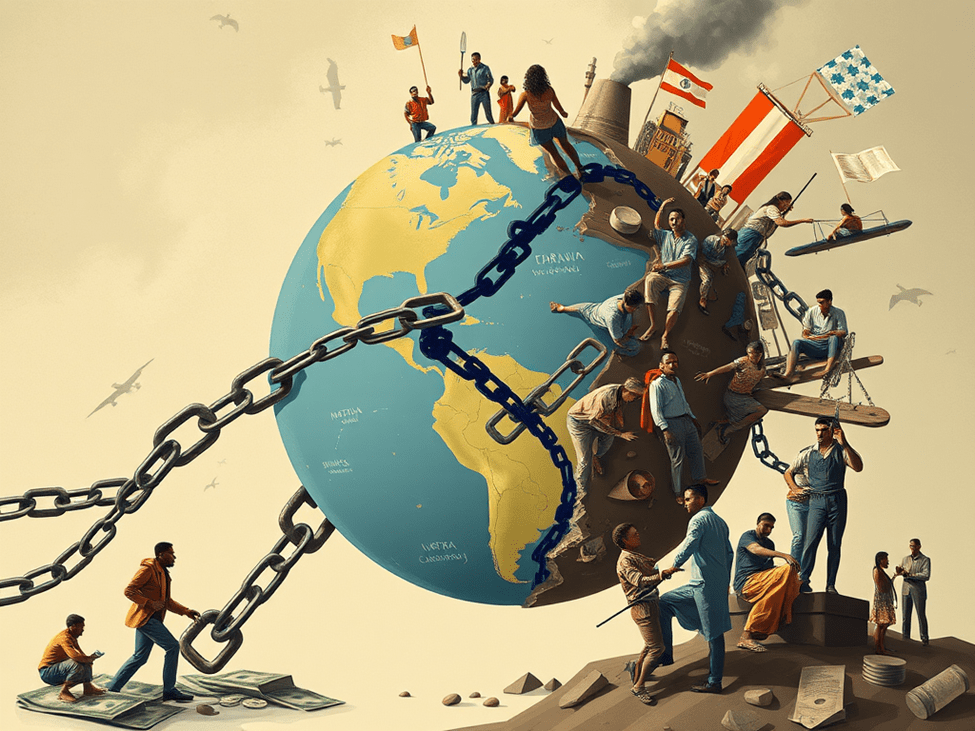


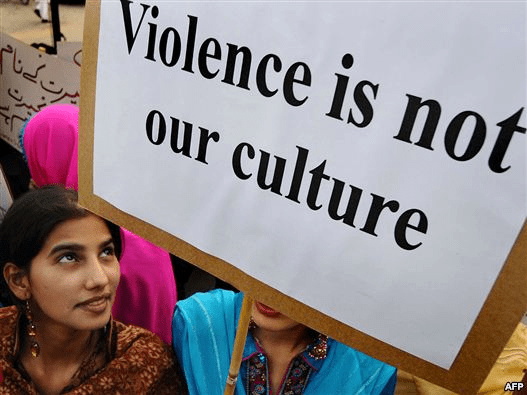
 Vision-Vista of JJ Baloch