
J. J. Baloch
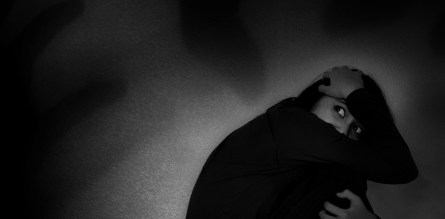
The constant threat of terrorism has converted the world of ours into a creepy scream house where people, in it’s every nook and corner, appear to have been overwhelmed by the fear phobia of something cataclysmic, unpredictable, and imminent to happen and to destroy their lives. This has paralysed the real taste of life and progress made by human beings. It needs fair and square attention at all levels.
During Great depression in the second quarter of the 20th century the President of United States of America, Franklin D. Roosevelt tried to remind Americans that “the only thing we have to fear is fear itself—nameless, unreasoning, unjustified terror which paralyses needed efforts to convert retreat into advance.” Many term fear of fear as Phobophobia which is driven from Greek origin of Phobos meaning fear and phobia also means fear. This phenomenon has become much more real in the 21st century due to terrorist threat megalomania.
Fear of fear is not only a conceptual scenario but a real-world challenge. In human history, it has been noticed that it has never been fear but the fear of fear which has played havoc with the public at large. Every individual does have his or her fears which do not necessarily grow into a monster or disaster unless people at large begun to share it and own it as a collective fear because it is the common fear of fear which disappoints the people of any hope to feel safe anywhere. Today’s digital connectivity has multiplied the fears through rumour and misinformation, causing many psychological disorders, emotional imbalances, popular panics, demographic disturbances, and ideological anarchy.
Today the fear of fear governs not only us as humans but also a leading agent of socio-cultural and political changes. People do not fear to take the biggest of risks as climbing to very high mountains, skydiving, car racing, and many other such activities the way they feel horrified of terrorist threat worldwide. “In fact, people worry far more about the truly tiny risk of being killed by terrorists than they do about the much greater risk of being killed in a car crash or some other accident.”
This type of fearing the fear feeling comes when man-made laws and systems lose their credibility to live up to what they are for. If a citizen of any country is repeatedly reminded that there is a threat and it is of its own kind as well as the gravest of all because that threat is to come from fellow humans, not from nature. Earthquakes, floods and other human disasters do not destroy the people the way the feeling of being insecure against the crime and terror which are to originate not because of geological and environmental reasons but because of human reasons.
Fear of crime is more potent a factor than the crime itself. It is so because actual crime affects only a handful of people who become victims of it but fear of being the next victim overwhelm the entire populations for longer periods. The “same disconnect between risk and fear holds for the crime. Fear of crime increased steadily in the last two decades of the 20th century (the 1980s & 1990s) while reported crime declined steadily”.
Almost a similar link exists between public fear and terrorism objectives. Terrorists always try to magnify even their small acts of adventurism by publicising themselves as the superhuman. By so doing they create and cultivates the fear of the unknown in the public. Terrorists keep us on our toes by issuing threats for one thing and planning an attack for other making themselves invincible and unstoppable. Media create sensation and exaggerate things to make their news spicy. This, in turn, makes the public believe that their governments are helpless to protect their communities.
Media starts glorifying terrorists portraying them as magic men not because media wishes people to get confused but because this is what people want media to show them and this is what people wait to see in papers and on TV. Media conditioning of the fear of fear is a natural corollary of public demand. Therefore media is always interested in making storeys than telling the truth of what the terrorists can actually do and what they cannot do!
On the contrary, the media presents government agencies in utter dismay and confusion at the times of national emergencies. In Pakistan, this is truer than anywhere else in the world. Wherever and whenever any natural or man-made disasters have visited Pakistan, media comes on humanitarian issues at the last but starts with criticising government agencies concerned with that particular type of emergency. First media gets started with identifying the inadequate arrangements for meeting the emergency relief operations. Sometimes Media bombard the food department for not having stocked well. Many times they blame police and district administration for their poor response and delayed action together with security lapses in case of any security breach or terrorist attack. Very often begin the story of government corruption for having been responsible for everything evil under the sun. What they basically do is more and more fear for the future. Terrorists stand glorified while governments demoralised and public panicked.
However, in all kind of emergencies, the media should play fair and square and avoid settling old scores with some specific individuals sitting at the top of that particular department. Media must display greater national responsibility in inculcating the confidence and trust among the people about their governments and the available services together with identifying the limits so that the public may not go out of control knowing that they are deprived of basic human rights and facilities.
“The more frightened we are, the more successful the terrorists will be judging their attacks. Not only does undue fear lower our quality of life but, it also “limits our intellectual and moral capacities, it turns us against others, it changes our behaviour and our perspective and it makes us vulnerable to those who would control us to promote their own agendas.”

The fear of fear so generated, no doubt, increases the work and responsibilities of the law enforcement agencies especially the police. At the same time, this state of fear raises the public profile of the police. Media gets you on the air almost every time to talk to your area public to invigorate their faith in the capability of the system to raise equal to the challenges facing the country. You will be regularly called to talk to human rights programs, media talk shows, morning shows on TV, magazine interviews and features, Chamber of commerce, NGOs, village Panchayat, notables, trade unions, industrial associations, and others who have a direct or indirect stake in public peace.
Even minority communities will seek assurances that they will be protected from hate crimes and that they will not be singled out unfairly by the police. You will work with local businesses and corporations to improve their security. And you will have to consult with hospitals, clinics, and schools (whether they are under municipal control or not) to ensure that they are doing all they can to protect themselves.
Managing fear is indeed very taxing and very costly. It can lead governments to spend billions of Rupees/ Dollars on the security and crime-fighting which is not a good omen. It is aptly remarked by very seasoned criminal justice expert that a false sense of insecurity is far more dangerous than the false sense of security. The false sense of security leads to destruction in many spheres of life ranging from wasting manpower and resources to losing civil liberties at the hands of more powerful and more mandate expanded police force.
Fear of fear can vanish only when the fear industry is choked. Governments are yet to find counter-fear mechanisms so do are the communities and smaller groups. Democracies are quite silent on this very intricate issue of doing away with the culture of fear. Ironically, countries like Pakistan are keeping criminal silence on addressing these vital issues of greater public and national importance. Let us join hand to not fear the fear of fear anymore and to build stronger resilience in society.
The Writer is a novelist, policing educator and Senior Police Officer at PSP.

 Vision-Vista of JJ Baloch
Comments are welcome for encouragement and improvements
LikeLike