Vision-Vista by JJ Baloch is a site dedicated to sharing insightful perspectives, ideas, and visions on various topics, including personal development, philosophy, and societal issues.
In the poem “Whispers of Stardust,” the poet explores the mystical and enchanting qualities of the celestial realm, using intricate details and literary breath to create a vivid and imaginative experience for the reader.
The opening lines set the tone of twilight, a time of transition and possibility, where dreams come to life. The “whispers of stardust” symbolize the ethereal and intangible nature of the cosmos as they paint the skies with their mesmerizing presence. This phrase captures the essence of something magical and elusive, drawing the reader into a world of wonder.
The poet describes the celestial dance as a cosmic ballet, where galaxies gracefully weave tales of light. This symbolic imagery evokes a sense of harmony and beauty as the vast expanse of the universe unfolds before our eyes. It invites us to contemplate the interconnectedness of all things and the awe-inspiring nature of the cosmos.
By comparing twinkling stars to fireflies’ gleams, the poet highlights their delicate brilliance and captures the imagination. Each star becomes a universe, carrying its own stories and mysteries. The idea that their distant glow is a secret shared among dreamers creates a sense of unity and wonder, suggesting that there is a hidden language of the universe that only those attuned to their dreams can decipher.
The moonbeams cascading like silver lace evoke a sense of delicacy and grace. They gently illuminate time and space, unveiling the mysteries that captivate our curiosity. The imagery of the moonbeams kissing the earth symbolizes a connection between the celestial and terrestrial realms as if the universe’s secrets are whispered to us through these ethereal beams.
The breeze, portrayed as a muse, carries the secrets of the starlit skies. It becomes a vehicle for ancient lore and wisdom, whispering stories that awaken our desire to explore and understand the hidden truths of the universe. This personification of the breeze adds a touch of enchantment, as if nature itself is a guide and teacher.
The mountains, described as ancient guards, symbolize strength and resilience. Their peaks reach the heavens, bridging the realms of earth and sky. They embody the idea that mortal souls can rise above their limitations and dare to defy the boundaries imposed upon them. The mountains become a metaphor for the human spirit’s capacity to aspire and transcend.
The rivers flowing through verdant valleys represent the life force and continuity. Their liquid song weaves an untold tale, binding hearts with old stories. This imagery suggests the interconnectedness of all living things and the power of nature to nourish and inspire. The rivers become a metaphor for the flow of time and the richness of experience.
In the ocean’s depths, the poet finds an ancient melody seeping. This metaphorical description reflects the timeless and profound nature of the ocean’s depths, where secrets dwell. The symphony of life’s grand stage reflects the intricate and interconnected web of existence, where every being plays a part. The mention of cages hints at the hidden depths of our souls, waiting to be explored and understood.
The poem’s concluding lines call upon the whispers of stardust to guide our way and illuminate our paths each day. This plea emphasizes the transformative power of the celestial realm and encourages us to seek inspiration and guidance from the wonders of the universe. It reminds us to embrace the beauty and mysteries of life with an open heart and a sense of wonder.
In a nutshell, the poem “Whispers of Stardust” explores the grandeur and interconnectedness of the cosmos, using intricate details and imaginative metaphors to invite readers on a journey of contemplation and awe. It highlights the power of nature, the boundless potential of the human spirit, and the eternal mysteries surrounding us, urging us to embrace the beauty and magic of existence.
A Poem by JJ Baloch, mystic and humanist poet, Novelist focusing on the rights of marginalized sections of society, scholar, writer, educator, blogger and a senior police officer-DIG at Police Service of Pakistan
In life’s vast journey, failures may abound,
Leaving us lost, hopelessly spellbound.
But behold, a concept, transformative and wise,
Where setbacks are blessings in disguise.
Seeds of failure, buried in the ground,
Darkness surrounds, despair is profound.
Yet within this darkness lies a seed’s decree,
Potential for growth, for the soul to be free.
Nurturing the seed, a tender touch,
Learning from failures, we discover as such.
Fertile ground of wisdom, where lessons reside,
Cultivating resilience, with each stride.
Roots take hold, drawing strength from within,
The soil of experience, where new life begins.
From failures, nourishment, knowledge takes flight,
A foundation grows, reaching for the light.
Branching out, like a tree in full bloom,
Exploring new vistas, dispelling the gloom.
Capabilities expand, horizons unfold,
New skills, new passions, the heart now bold.
A forest emerges, from a single tree,
A symphony of growth, a tapestry to see.
Diverse and thriving, a vibrant ecosystem,
Those who conquered failures, become life’s anthem.
For in the transformation, success finds its way,
Through resilience and persistence, day by day.
No longer buried, but rising with grace,
Inspiring others, leaving a lasting trace.
So remember, dear traveler, when failures arise,
They’re but stepping stones, a blessing in disguise.
From failures to forests, the self is reborn,
Resurrected, triumphant, against destiny’s scorn.
Explanation
The poem “From Failures to Forests: The Resurrection of Self” by mystic and humanist poet, JJ Baloch, explores the transformative power of embracing failures and setbacks as opportunities for growth and self-discovery. It emphasizes the journey of personal development, likening it to the process of a seed growing into a flourishing forest. Let’s examine what the poem says, why it conveys these ideas, and how it achieves its message.
1. Embracing Failures and Setbacks:
The poem encourages the reader to view failures and setbacks not as permanent obstacles, but as valuable learning experiences. It suggests that these challenges can serve as fertile ground for personal growth and resilience.
2. The Power of Transformation:
The poem emphasizes the potential for transformation that lies within every individual. It uses the metaphor of a seed growing into a forest to highlight how failures can be turned into strengths, and how setbacks can lead to personal development and success.
3. Overcoming Darkness and Despair:
The poem acknowledges the initial feelings of being buried under the soil, surrounded by darkness and despair, symbolizing the emotional weight of failures. However, it presents the idea that within this darkness, seeds of potential are waiting to sprout.
4. Nurturing Inner Potential:
The poem suggests that by nurturing one’s inner potential through a growth mindset, individuals can draw lessons from their failures and setbacks. It encourages them to develop a strong foundation of knowledge, skills, and self-awareness, which empowers them to rise above challenges.
5. Expansion and Broadening Horizons:
As the poem progresses, it emphasizes the importance of branching out and exploring new opportunities. It illustrates how individuals who learn from failures can expand their capabilities, acquire wisdom, and develop a broader perspective on life.
6. The Forest of Success:
The poem culminates in the imagery of a lush forest, representing the culmination of personal growth and success. It explains that those who have overcome failures become multifaceted individuals capable of making a positive impact in various aspects of their lives.
7. Resilience and the Human Spirit:
Throughout the poem, there is a recurring theme of resilience and the transformative power of the human spirit. It suggests that by reframing failures as stepping stones on the path to personal growth and fulfillment, individuals can overcome challenges and achieve success.
In terms of how the poem conveys its message, it employs figurative language, vivid imagery, and a rhythmic structure to create an emotional impact. The metaphors of seeds, forests, darkness, and growth evoke powerful visual and emotional associations, allowing readers to relate to the message on a deeper level. The poem’s structure and flow contribute to its overall impact, carrying the reader through the stages of the journey from failures to personal triumphs.
In a nutshell, the poem “From Failures to Forests: The Resurrection of Self” conveys the idea that failures and setbacks can be transformative experiences if one embraces them with a growth mindset. It speaks to the resilience and potential for growth that resides within each individual, encouraging them to view failures as opportunities for self-improvement and personal development.
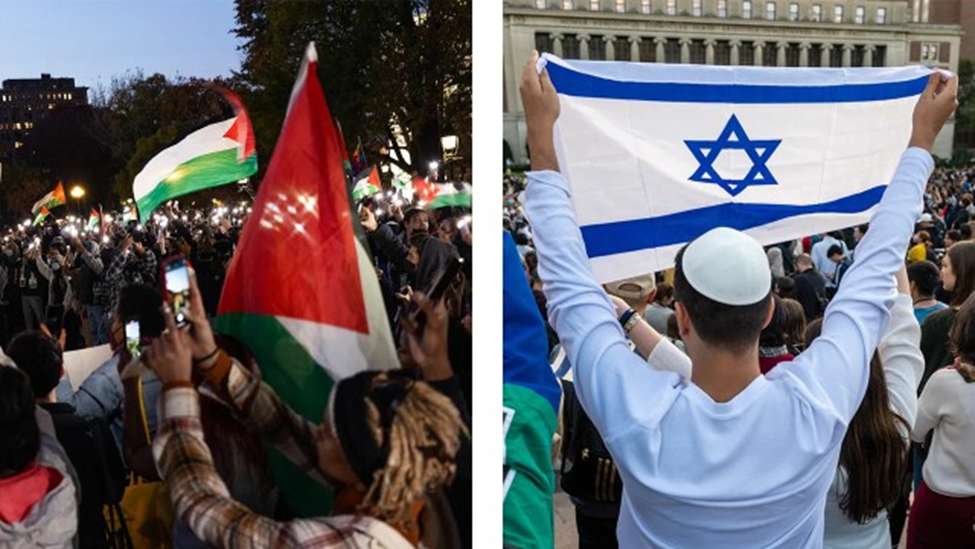
The recent Israel-Hamas war has had significant impacts on the relationships and perceptions of American Muslims and Jews, reshaping their understanding of war, peace, and discrimination. A recent survey conducted by the Pew Research Center highlights the increasing concerns and discrimination faced by both communities since the start of the conflict. This article aims to analyze the survey findings and shed light on the evolving dynamics and challenges faced by American Muslims and Jews in the aftermath of the Israel-Hamas war.
Rising Discrimination and Perceptions
The Pew Research Center survey reveals a notable increase in the perception of discrimination against both Jews and Muslims in American society. The share of U.S. adults who believe Jews face a lot of discrimination has doubled in the last three years, reaching 40% today. Similarly, 44% of respondents believe that Muslims also face significant discrimination, a 5% increase since 2021.
The Impact on Jews and Muslims
The survey indicates that discrimination against Jews and Muslims has been exacerbated since the beginning of the Israel-Hamas war. Approximately 70% of U.S. Muslims and 90% of U.S. Jews report feeling an increase in discrimination against their respective communities during this period. The conflict has not only affected their personal lives but has also heightened their attention to news about the war.
Perceptions of Discrimination against Arabs
In addition to discrimination against Jews and Muslims, the survey highlights the increased discrimination against Arabs since the start of the war. The majority of Muslims (70%) and almost half of Jews share this perception. While the survey does not have enough respondents to represent Arab Americans as a whole, these findings indicate the broader impact of the conflict on Arab communities.
Free Speech and Tolerance
The survey also explored public opinion on free speech related to Israeli and Palestinian statehood and its limits. The majority of Americans support allowing speech both for and against Israeli and Palestinian statehood. However, there is a strong consensus that calls for violence against Jews or Muslims should not be permitted.
Jewish and Muslim Perspectives
Jewish respondents predominantly support allowing speech expressing support for Israel’s right to exist as a Jewish state (92%), as well as speech supporting or opposing Palestinian statehood. However, they are more divided on speech opposing Israel’s right to exist as a Jewish state. Muslim respondents, on the other hand, are generally supportive of speech advocating for Palestinian statehood (70%), but are split on speech supporting or opposing Israel’s existence as a Jewish state.
Partisan Differences
The survey reveals partisan differences in perceptions of discrimination and views on free speech. Democrats are more likely than Republicans to believe there is a lot of discrimination against Muslims, Jews, and other groups. They are also more likely to perceive an increase in discrimination against Muslims and Arabs since the start of the Israel-Hamas war. However, both Democrats and Republicans largely agree on the need to prohibit calls for violence against Jews or Muslims and express support for allowing speech related to statehood.
Ways to Address the Problem
Addressing discrimination and promoting inclusivity for American Muslims and Jews requires a multifaceted approach that involves various stakeholders. Following are some key steps which the United States can take to address these issues.
1. Enforce Existing Anti-Discrimination Laws: The U.S. government should rigorously enforce existing anti-discrimination laws to ensure the protection of the rights of all individuals, regardless of their religious or ethnic background. This includes investigating and prosecuting hate crimes and acts of discrimination.
2. Promote Interfaith Dialogue and Understanding: Encouraging interfaith dialogue and fostering understanding between different religious communities can help dispel stereotypes, promote empathy, and build bridges of cooperation. Interfaith initiatives, community events, and educational programs can facilitate meaningful interactions and promote mutual respect.
3. Enhance Cultural Awareness and Education: Education plays a crucial role in combating discrimination. Schools and educational institutions should promote cultural awareness and inclusivity by incorporating diverse perspectives and histories into curricula. This can help foster empathy, understanding, and appreciation for different religious and cultural backgrounds.
4. Combat Stereotypes and Misinformation: The U.S. government, media outlets, and community organizations should actively work to combat stereotypes and misinformation about Muslims and Jews. Promoting accurate and balanced portrayals through media, public campaigns, and community outreach can help challenge negative stereotypes and dispel misconceptions.
5. Support Community Engagement and Empowerment: Providing resources and support for community organizations that represent Muslim and Jewish communities is crucial. These organizations can play a vital role in addressing discrimination, advocating for the rights of their communities, and fostering social cohesion. Government funding, grants, and partnerships can empower these organizations to carry out their important work.
6. Encourage Political and Civic Participation: Encouraging political and civic participation among American Muslims and Jews can help amplify their voices and ensure their concerns are heard. Efforts should be made to remove barriers to participation, promote diversity in leadership positions, and create opportunities for engagement.
7. Strengthen Law Enforcement Training: Law enforcement agencies should receive training on cultural sensitivity, religious diversity, and recognizing and addressing hate crimes. This can help improve their ability to protect communities and respond to incidents of discrimination effectively.
8. Foster Intercommunity Collaboration: Encouraging collaboration and cooperation between Muslim and Jewish communities can create opportunities for joint initiatives, shared experiences, and collective advocacy. Building relationships based on common values and shared goals can help bridge divisions and promote social cohesion.
9. Promote Global Peace and Conflict Resolution: The United States can play a constructive role in promoting peace and dialogue in the Israeli-Palestinian conflict. By encouraging peaceful negotiations and supporting efforts for a just and lasting resolution, the U.S. can contribute to reducing tensions and fostering an environment of peace and security.
Addressing discrimination and promoting inclusivity requires a long-term commitment from the government, civil society, and individuals alike. By working together and embracing the values of equality, respect, and understanding, the United States can create a more inclusive society where all individuals, regardless of their religious background, can thrive and contribute.
Conclusion
The Israel-Hamas war has had far-reaching impacts on American Muslims and Jews, leading to increased perceptions of discrimination and heightened attention to the conflict. The survey findings highlight the importance of addressing discrimination and fostering an inclusive environment for both communities. While there are differences in perspectives on free speech, there is a broad consensus that calls for violence should be prohibited.
As the United States seeks to navigate complex issues related to the Israeli-Palestinian conflict, it is crucial to promote dialogue, understanding, and respect among diverse communities. By fostering an environment of inclusion and combating discrimination, Americans can work towards a more harmonious society that embraces the diversity of its citizens.
THE WRITER IS A POET, NOVELIST, SCHOLAR, BLOGGER, EDUCATOR, AND A SENIOR COP
Lailatul Qadr, known as the Night of Power or Decree, is a significant and highly blessed night in Islamic belief. It is mentioned in the Holy Quran in Surah Al-Qadr (Chapter 97). Although the entire chapter is dedicated to the greatness of Lailatul Qadr, there are specific verses that highlight its significance. Here are the relevant verses from Surah Al-Qadr:
“In the name of Allah, the Most Gracious, the Most Merciful.
1. Verily, We have sent it (the Quran) down in the Night of Al-Qadr (Decree).
2. What will make you know what the Night of Al-Qadr (Decree) is?
3. The Night of Al-Qadr (Decree) is better than a thousand months.
4. Therein, descend the angels and the Ruh (Jibrael or Gabriel) by Allah’s Permission with all Decrees.
5. Peace! Until the appearance of dawn.”
These verses emphasize the immense significance and blessings of Lailatul Qadr. It is a night during which the Quran was revealed, surpassing the value of a thousand months in terms of its spiritual merit. The angels descend on this night, and tranquility prevails until the break of dawn.
Muslims are encouraged to seek the blessings of Lailatul Qadr by engaging in acts of worship, such as reciting the Quran, offering prayers, supplicating to Allah, and engaging in remembrance and reflection. It is believed that sincere devotion and worship on this night can bring immense rewards and forgiveness from Allah.
It’s important to note that the exact date of Lailatul Qadr is not mentioned in the Quran. However, it is commonly believed to occur during the last ten nights of the Islamic holy month of Ramadan, with the odd nights (21st, 23rd, 25th, 27th, or 29th) being considered more likely. Muslims are encouraged to seek this blessed night by increasing their worship and devotion during these last ten nights of Ramadan.
Saying of Prophet Muhammad PBUH on this Night of Power
Several sayings of Prophet Muhammad (peace be upon him) regarding Lailatul Qadr provide additional insights into its significance. Here are a few relevant sayings:
1. Narrated by Aisha (may Allah be pleased with her): “I asked the Messenger of Allah, ‘O Messenger of Allah, if I know which night is Lailatul Qadr, what should I say during it?’ He said, ‘Say: Allahumma innaka ‘afuwwun tuhibb al-‘afwa fa’fu ‘anni’ (O Allah, You are forgiving and You love forgiveness, so forgive me).’ ” (Sunan Ibn Majah)
2. Narrated by Abu Hurairah (may Allah be pleased with him): “The Messenger of Allah said, whoever stands (in prayer) during the Night of Al-Qadr with sincere faith and hoping for a reward from Allah, his previous sins will be forgiven?” (Sahih Bukhari and Muslim)
3. Narrated by Abdullah ibn Umar (may Allah be pleased with him): “The Prophet said, ‘Seek Lailatul Qadr on the odd nights of the last ten nights of Ramadan.’ ” (Sahih Bukhari and Muslim)
4. Narrated by Abu Salama (may Allah be pleased with him): “I asked Aisha (may Allah be pleased with her), ‘O Mother of the Believers, tell me, if I find Lailatul Qadr, what should I supplicate?’ She said, ‘Say: Allahumma innaka ‘afuwwun tuhibb al-‘afwa fa’fu ‘anni’ (O Allah, You are forgiving and You love forgiveness, so forgive me).’ ” (Sunan Tirmidhi)
These sayings of Prophet Muhammad highlight the importance of seeking forgiveness, supplicating to Allah, and engaging in sincere worship during Lailatul Qadr. They emphasize the opportunity for forgiveness of past sins and the immense rewards that can be attained through devotion on this blessed night. Muslims are encouraged to make the most of this occasion by worshipping, seeking forgiveness, and supplicating to Allah for His mercy and blessings.
The Significance of Seeking Forgiveness during this Night
A Poem by JJ Baloch
In the depths of night, a sacred hour unfolds,
When hearts seek solace, as the truth is told.
Lailatul Qadr, a night of divine decree,
Where forgiveness descends for all to see.
Opportunity beckons, embrace it with care,
Repentance awaits, a chance to repair.
Reflect on your deeds, with a humble plea,
Seek Allah’s pardon, set your spirit free.
His mercy, abundant, on this blessed night,
The gates swing open, bathed in heavenly light.
Supplications heard, with acceptance and grace,
Embrace this moment, let sins be erased.
A chance for renewal, a spiritual rebirth,
Cleanse your soul, the weight of sins unearthed.
Draw closer to Allah, with every whispered word,
Seeking forgiveness, your soul is stirred.
Let this night be a catalyst of change,
Through repentance and growth, a path rearranged.
The heart, once burdened, finds solace and ease,
As forgiveness descends like a gentle breeze.
Protection is granted, from punishment severe,
As you seek forgiveness, with sincerity clear.
Allah’s mercy envelops, a shelter from despair,
Seek His forgiveness, His compassion to share.
So, seize this night, with a devoted heart,
Seek forgiveness, make a fresh start.
In the stillness of night, let your tears flow,
For Allah’s forgiveness, there’s no better time to show.
Lailatul Qadr, a night of immense worth,
A chance to seek forgiveness, a spiritual rebirth.
Embrace its significance, with humility and love,
For Allah’s mercy shines from the heavens above.
In this sacred night, let forgiveness be your guide,
As you seek His mercy, let your sins subside.
May your heart find solace, may your spirit soar,
Seeking forgiveness during this night, forever.
Explanation
In the poem “The Significance of Seeking Forgiveness during this Night,” the mystic poet JJ Baloch conveys the profound importance of Lailatul Qadr, the Night of Power, in seeking forgiveness and experiencing spiritual transformation. The poet uses vivid imagery and poetic language to evoke the essence of this blessed night and its spiritual significance. Here is an examination of the poem and its key messages:
1. The Sacredness of Lailatul Qadr: The poet describes Lailatul Qadr as a sacred hour unfolding in the depths of night, emphasizing this night’s special nature and setting the tone for the spiritual journey that follows.
2. Seeking Solace and Truth: The poet suggests that during Lailatul Qadr, hearts naturally yearn for solace and seek the truth. It is a time for introspection and self-reflection as individuals strive to align themselves with spiritual realities.
3. Divine Decree and Forgiveness: Lailatul Qadr is presented as a night of divine decree, where forgiveness is readily available to all. The poet highlights the importance of embracing this opportunity with care and seeking repentance to repair past wrongs.
4. Mercy and Acceptance: The poet emphasizes the abundance of Allah’s mercy on this blessed night. The gates of forgiveness swing open, and sincere supplications are heard with acceptance and grace. This fact conveys the idea that seeking forgiveness during Lailatul Qadr is met with divine compassion and a willingness to forgive.
5. Spiritual Renewal and Cleansing: The poem emphasizes the transformative nature of seeking forgiveness during Lailatul Qadr. It is seen as a chance for renewal and a spiritual rebirth. By reflecting on one’s deeds and seeking Allah’s pardon, individuals can cleanse their souls and experience the weight of their sins being lifted.
6. Drawing Closer to Allah: The poet encourages drawing closer to Allah through whispered words and seeking forgiveness, which signifies the intimate connection between the seeker and the Divine, as they earnestly seek forgiveness and experience their soul being stirred.
7. Protection and Compassion: Seeking forgiveness during Lailatul Qadr is a source of protection from severe punishment. The poet highlights Allah’s enveloping mercy, which becomes a shelter from despair. Seeking forgiveness allows individuals to share Allah’s compassion and experience His protective embrace.
8. Seizing the Moment and Making a Fresh Start: The poet urges individuals to seize the opportunity presented by Lailatul Qadr with a devoted heart. It is a time for seeking forgiveness, making a fresh start, and allowing tears of remorse and gratitude to flow freely.
9. Embracing the Significance and Embodying Humility: The poet calls for embracing the immense worth of Lailatul Qadr with humility and love. It is an invitation to recognize this night’s significance and approach it with reverence and a genuine desire for forgiveness.
10. Transformation and Soaring Spirit: Through seeking forgiveness during Lailatul Qadr, the poet suggests that individuals can experience profound transformation. The heart, once burdened by sins, finds solace and ease. The poem ends with a hopeful wish for the heart to find solace and the spirit to soar, forever seeking forgiveness.
In summary, JJ Baloch’s poem beautifully encapsulates the essence of seeking forgiveness during Lailatul Qadr. It conveys the spiritual journey of repentance, renewal, and closeness to Allah, highlighting the significance of this blessed night and the transformative power of seeking forgiveness with humility and devotion.
By JJ Baloch, a humanist, mystic and romantic poet
In the ocean of ideas, I roam,
A rolling stone, seeking a home.
Imagination my guiding light,
Navigating through day and night.
Doubts and confusion intertwine,
A battle within, seeking a sign.
Between right and wrong, wars wage,
Conscience seeking wisdom’s stage.
Born on mortal earth, I reside,
Where faith is traded, beliefs collide.
Generational gaps shape thought’s tide,
Hedonistic tendencies reach high.
Yet, in essence, I am not alone,
Humanity’s core, deeply sewn.
Senses limit, knowledge’s feed,
Borders of indoctrination, indeed.
Love, the foundation of my soul,
Rare to find, yet makes me whole.
No blame for fellow zealots’ plight,
Victims of darkness, seeking light.
Eternal questions stir my mind,
Who am I? Where will I find,
The connection with destiny’s call,
With environment, self, and all?
Constructs and metaphors surround,
Yet truth eludes, nowhere found.
Stillness persists, no echo’s sound,
Enlightenment within, I’m bound.
Skirmish and struggle, truth’s embrace,
Conscience awakened, finding grace.
Personal experiences, unique and rare,
Illuminate the tunnels of despair.
Heart’s chambers, dusty and rusted,
Cultural norms, identity encrusted.
But in myself, I see the key,
Understanding self, truth sets free.
Purposeless void, balance prevails,
Life’s equations, beauty unveils.
A guardian, love that transcends,
An artist’s touch, magic descends.
Questioning, answering, blessings bestowed,
Role models guide, boundaries erode.
Expanding visions, thoughts take flight,
Infinite possibilities, shining bright.
Humanity defined by curiosity’s quest,
Questioning and answering, we’re blessed.
Role models guide us, breaking borders,
Thinking beyond, where vision orders.
In love with being human, I stand,
Embracing eternity, divinity, hand in hand.
For in the depths of our souls so deep,
Echoes of the infinite, forever we keep.
Interpretation
“Echoes of the Infinite” by JJ Baloch is a deeply introspective poem that explores various aspects of the human experience and the search for truth, purpose, and connection. Let’s examine its conceptual core from different perspectives:
1. Existential Exploration: The poem delves into existential questions, reflecting on the nature of human existence and the individual’s place in the world. It contemplates the search for identity, the struggle between right and wrong, and the longing for a deeper understanding of self and one’s role in the grand scheme of things.
2. Human Condition and Society: The poem acknowledges the complexities of the human condition, highlighting the clash of beliefs and the influence of societal norms. It recognizes the generational gaps that shape thought processes and the allure of hedonistic tendencies in contemporary society.
3. Inner Conflict and Personal Growth: The battle between doubts and confusion within the self is portrayed as a catalyst for personal growth. The conscience seeks wisdom and enlightenment, striving to reconcile opposing forces and find a path forward amidst the internal struggle.
4. Love and Connection: Love is presented as a foundational aspect of human existence, something that is rare but essential for a sense of wholeness. The poem acknowledges the challenges individuals face in a world where love and understanding can be elusive, emphasizing empathy towards others who are also searching for light and meaning.
5. The Quest for Truth and Enlightenment: The poem reflects on the pursuit of truth and the difficulty in finding it amidst the constructs and metaphors of society. It suggests that true enlightenment comes from within, through personal experiences and self-discovery. Stillness and introspection are seen as essential for uncovering the echoes of truth that reside within the depths of one’s being.
6. Balance and Harmony: The poem recognizes the importance of balance in life and the interconnectedness of all things. It suggests that one can find beauty and coherence in the whole by understanding oneself and embracing the inherent balance in the universe.
In solitude, myriad aspects of life intrigue and inspire,
The essence of experiences that sets the souls on fire.
In the silence, introspection takes its hold,
As we delve deep into the recesses of our being, untold.
We ponder on life’s questions, seeking wisdom’s embrace,
And find solace in the stillness, as our thoughts interlace.
Solitude grants us the gift of self-discovery,
An opportunity to know ourselves in unbounded clarity.
In the absence of distractions, we confront our fears,
And find the courage to heal, to grow, to wipe away tears.
Creativity finds its muse in solitude’s domain,
As ideas flow freely, unburdened by mundane.
In the quietude of our own thoughts, inspiration thrives,
And artistic expressions bloom, like vibrant lives.
Solitude nurtures a connection with nature’s grand design,
In the presence of mountains, forests, and rivers divine.
We become attuned to the rhythms of the earth,
And find solace in its beauty, for all it’s worth.
In solitude, we develop resilience and strength,
As we navigate the challenges life presents, at length.
We learn to rely on our own inner resources,
And forge a path forward, with steadfast forces.
Solitude can be a sanctuary, a refuge from the noise,
A space to recharge, to find inner poise.
It allows us to cultivate a sense of gratitude and grace,
And appreciate the simple joys in life’s embrace.
So, let us cherish the moments of solitude we find,
For within its depths, treasures of the soul unwind.
In its quietude, we discover our truest selves,
And find inspiration, as our spirit delves.
Interpretation
This beautiful poem explores the multifaceted aspects of solitude and its profound impact on our lives. Here’s an interpretation of its themes and meanings:
The poem begins by highlighting the intriguing and inspiring nature of solitude. It describes solitude as a tapestry of experiences that ignite the soul’s passion. This suggests that in moments of solitude, we encounter a wealth of thoughts, emotions, and reflections that captivate and motivate us.
The next stanza emphasizes the power of silence and introspection in solitude. It portrays solitude as a space where we delve deep into the recesses of our being, exploring untold aspects of ourselves. Through contemplation, we seek wisdom and find solace in the stillness as our thoughts intertwine. This suggests that solitude allows us to engage in deep self-reflection and gain clarity in our thoughts and emotions.
The poem then explores how solitude grants us the gift of self-discovery. It highlights the absence of distractions and the opportunity to confront our fears and heal. In solitude, we develop a deeper understanding of ourselves, fostering personal growth and the ability to overcome challenges. It suggests that solitude enables us to tap into our inner strength and resilience.
The next stanza focuses on the creative aspects of solitude. It describes how solitude serves as a muse for creativity, allowing ideas to flow freely without the burden of the mundane. In the quietude of our thoughts, inspiration thrives, and artistic expressions come to life. This suggests that solitude provides a fertile ground for creative exploration and self-expression.
The poem further explores the connection between solitude and nature. It describes how solitude nurtures a deeper appreciation for the grand design of the natural world, such as mountains, forests, and rivers. It suggests that in solitude, we become attuned to the rhythms of the Earth, finding solace and beauty in its presence. This highlights the restorative and grounding power of solitude in nature.
The subsequent stanza highlights the development of resilience and strength through solitude. It suggests that in solitude, we learn to rely on our inner resources and navigate life’s challenges. Solitude becomes a place where we cultivate resilience, forging a path forward with determination and steadfastness.
The poem concludes by emphasizing the sanctuary-like quality of solitude. It describes solitude as a refuge from the noise and chaos of the world, a space to recharge and find inner balance. It allows us to cultivate gratitude and grace, appreciating the simple joys in life. This suggests that solitude offers a sense of peace and contentment, enabling us to connect with our true selves and find inspiration.
As a whole, this poem celebrates the profound effects of solitude on our personal growth, creativity, resilience, and connection with nature and ourselves. It invites us to cherish the moments of solitude and recognize the transformative power it holds in our lives.
For they hold the secrets of our hearts laid bare.
In their gentle trickle, we find solace and might,
A testament to our resilience, shining bright.
Let tears be our companions on this human quest,
Guiding us through trials, bringing us rest.
For in their sacred journey, we find release,
A healing balm, a pathway to inner peace.
Poet JJ Baloch, your words inspire,
Each verse a testament, a soul’s desire.
May tears forever be a source of grace,
Guiding us to love’s eternal embrace.
Interpretation and Explanation
In this poem, JJ Baloch portrays tears as a profound and transformative force in our lives. The poet expresses the complex nature of tears, acknowledging that while they cleanse our hurts and purify our souls from evil, they also inflict their pain upon our hearts. The paradoxical nature of tears is highlighted, emphasizing their ability to simultaneously heal and hurt.
The poet suggests that tears possess a purifying quality, washing away the stains of malaise, bias, and prejudice from our conscience. They serve as a means of erasing materialistic scratches, offering a glimpse into the deeper essence of our being. Tears are depicted as bearers of pain, selflessly shouldering the burdens without seeking worldly gains.
Each teardrop is seen as a potent healer, a tonic, and a marvel of medicine. They possess the power to alleviate the strains of anger and cleanse the core of our existence. The value and worth of tears are emphasized, as their true significance can only be understood when they fall on our cheeks, releasing warm waters of emotional release and spiritual relaxation.
The poet metaphorically describes tears as pearls of emotions and diamonds of spirituality, symbolizing their preciousness and transformative nature. Tears are believed to enrich us with elevated powers, providing indefinite energy and resilience. They are labeled as an elegy of dreams, carrying the weight of unfulfilled aspirations and channeling them into a poetic symphony.
JJ Baloch’s words convey a deep appreciation and reverence for tears, urging us to embrace their presence and allow them to flow freely. The poet suggests that tears hold the secrets of our hearts, offering solace, strength, and endurance during life’s trials. Through their gentle trickle, tears become a source of healing and a pathway to inner peace.
Overall, the poem celebrates tears as a profound and essential aspect of the human experience, recognizing their capacity to purify, heal, and guide us toward a deeper understanding of ourselves and the world around us.
Transformative Nature of Tears
Here is an example from the poem that illustrates the transformative nature of tears:
“They cleanse our conscience, free from prejudice,
And biases that darken, cloud, and dismiss.
Materialistic scratches they erase,
Revealing truth and grace, a sacred space.”
In these lines, the poet highlights how tears have the power to cleanse our conscience, purging it from the stains of prejudice and biases that hinder our understanding and empathy. Tears are portrayed as transformative agents that wash away the negative influences and reveal the truth and grace within us. By erasing the materialistic scratches on our consciousness, tears create a sacred space within, where we can find clarity, compassion, and a deeper connection to our authentic selves. This exemplifies the transformative nature of tears, as they enable us to transcend limitations and discover a purer state of being.
Tears Creating Sacred Spaces
The poet describes the sacred space created by tears in the following lines:
“They cleanse our conscience, free from prejudice,
And biases that darken, cloud and dismiss.
Materialistic scratches they erase,
Revealing truth and grace, a sacred space.”
In these lines, the poet suggests that tears can cleanse our conscience, freeing it from the influence of prejudice and biases that cloud our judgment and dismiss the experiences of others. As tears flow, they wash away the materialistic scratches that have marked our consciousness, representing the superficial desires and attachments that distract us from deeper truths.
Through this cleansing process, tears reveal a sacred space within us. This sacred space is a realm of clarity, truth, and grace. It is a place where we can connect with our genuine emotions, empathize with others, and gain a deeper understanding of ourselves and the world around us. It is a space stripped of external influences, where our authentic essence can shine forth.
The description of this sacred space suggests that tears serve as a transformative force, purifying our inner being and creating a sanctuary within us. It is within this space that we can find solace, healing, and a profound sense of connection to our spiritual nature.
Deepening Understanding of our existence
Tears can indeed help us gain a deeper understanding of ourselves. When we allow ourselves to cry and express our emotions through tears, it can be a cathartic and introspective experience. Here are a few ways in which tears can aid in self-understanding:
1. Emotional Release: Tears are a natural response to intense emotions such as sadness, grief, joy, or relief. Allowing ourselves to cry can provide an outlet for pent-up emotions, releasing emotional tension. Through this release, we may gain clarity about the underlying causes of our emotions, helping us understand our feelings on a deeper level.
2. Self-Reflection: Crying often prompts us to reflect on our experiences and the reasons behind our emotional responses. As we shed tears, we may find ourselves contemplating the events, relationships, or internal struggles that have led us to this point. Tears can catalyze self-reflection, prompting us to delve into our thoughts, beliefs, and desires.
3. Vulnerability and Authenticity: When we cry, we allow ourselves to be vulnerable and authentic in expressing our emotions. This vulnerability can foster a deeper connection with our inner selves. By embracing our tears, we acknowledge and honor our emotional truth, gaining insights into our values, needs, and personal growth.
4. Healing and Growth: Tears have a healing effect on our emotional wounds. They can help us process and release pain, trauma, or unresolved emotions from the past. This healing process can bring about personal growth and a greater understanding of ourselves. Through tears, we may uncover patterns, triggers, or unresolved issues that require our attention and further exploration.
5. Empathy and Compassion: Tears not only connect us to ourselves but also deepen our empathy and compassion for others. When we witness the tears of others or empathize with their pain, it can lead us to reflect on our own emotions and experiences. This reflection fosters a broader understanding of our humanity and the shared nature of human experiences.
In summary, tears have a multifaceted role in self-understanding. They provide an avenue for emotional release, prompt self-reflection, nurture vulnerability, and authenticity, facilitate healing and growth, and cultivate empathy and compassion. By embracing our tears, we embark on a journey of self-discovery and gain a deeper understanding of ourselves and our place in the world.
Exploring Emotional Mechanics
There are, certainly, a few techniques and practices that can help us explore our emotions through tears and facilitate a deeper emotional understanding:
1. Mindful Presence: Engage in mindful presence when tears arise. Allow yourself to fully experience the emotions that accompany the tears without judgment or resistance. Observe the sensations, thoughts, and feelings that arise with curiosity and openness. This practice can help you connect with the present moment and gain insights into the emotions you are experiencing.
2. Journaling: Maintain a journal dedicated to exploring your emotions and experiences. When tears flow, take the opportunity to write about the feelings that arise, the events or triggers that led to the tears and any insights or realizations that emerge. Journaling can be a powerful tool for self-reflection and deepening your understanding of your emotional landscape.
3. Artistic Expression: Engage in creative outlets such as painting, drawing, or writing poetry as a means of exploring your emotions through tears. Allow yourself to express your feelings visually or through words. Artistic expression can provide a cathartic release and offer new perspectives on your emotions and experiences.
4. Meditation and Breath work: Incorporate meditation and breath work practices into your routine to cultivate emotional awareness and acceptance. During meditation, observe the emotions that arise, including any tears that may come. Focus on your breath as you allow the tears to flow, creating space for self-exploration and emotional understanding.
5. Seek Support: Share your emotions and tears with a trusted friend, family member, or therapist. Exploring your emotions in a safe and supportive environment can provide valuable insights and perspectives. They can offer guidance, and validation, and help you process your feelings in a compassionate and non-judgmental space.
6. Self-Compassion: Cultivate self-compassion during moments of tears. Be kind and gentle with yourself, acknowledging that tears are a natural and valid expression of your emotions. Treat yourself with the same care and understanding you would offer to a dear friend. This practice fosters self-acceptance and allows for a deeper exploration of your emotions.
Remember that everyone’s emotional journey is unique, and these practices may resonate differently for each individual. Find what works best for you and adapt these techniques to suit your needs and preferences. The key is to approach tears and emotions with an open heart and a willingness to explore and understand yourself more deeply.
Jiskani Javed is an Author of many books, a creative writer, a humanist Novelist, a mystic poet, a Policing Educator, a Mentor, and a Senior Police Officer at the Police Service of Pakistan.







 Vision-Vista of JJ Baloch