
(By JJ Baloch)
Introduction
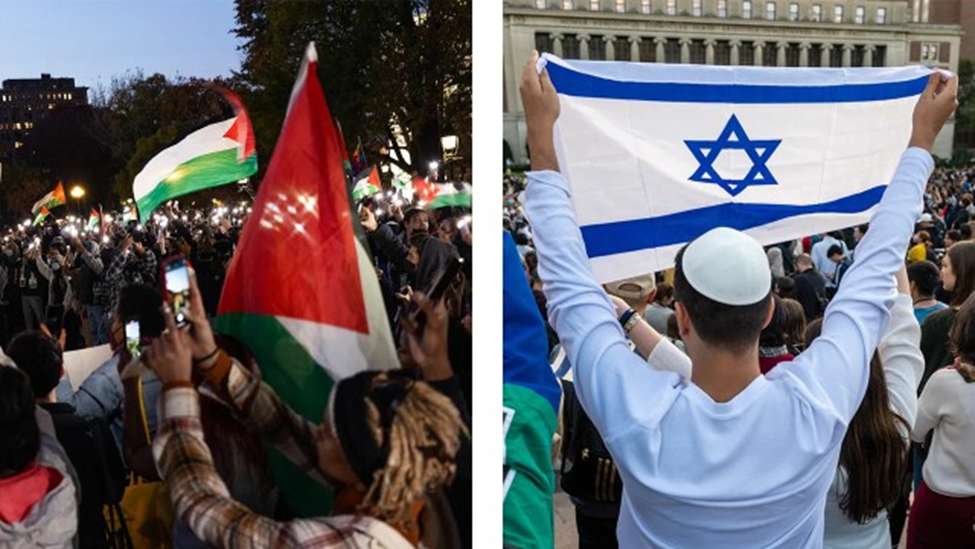
The recent Israel-Hamas war has had significant impacts on the relationships and perceptions of American Muslims and Jews, reshaping their understanding of war, peace, and discrimination. A recent survey conducted by the Pew Research Center highlights the increasing concerns and discrimination faced by both communities since the start of the conflict. This article aims to analyze the survey findings and shed light on the evolving dynamics and challenges faced by American Muslims and Jews in the aftermath of the Israel-Hamas war.
Rising Discrimination and Perceptions
The Pew Research Center survey reveals a notable increase in the perception of discrimination against both Jews and Muslims in American society. The share of U.S. adults who believe Jews face a lot of discrimination has doubled in the last three years, reaching 40% today. Similarly, 44% of respondents believe that Muslims also face significant discrimination, a 5% increase since 2021.
The Impact on Jews and Muslims
The survey indicates that discrimination against Jews and Muslims has been exacerbated since the beginning of the Israel-Hamas war. Approximately 70% of U.S. Muslims and 90% of U.S. Jews report feeling an increase in discrimination against their respective communities during this period. The conflict has not only affected their personal lives but has also heightened their attention to news about the war.
Perceptions of Discrimination against Arabs
In addition to discrimination against Jews and Muslims, the survey highlights the increased discrimination against Arabs since the start of the war. The majority of Muslims (70%) and almost half of Jews share this perception. While the survey does not have enough respondents to represent Arab Americans as a whole, these findings indicate the broader impact of the conflict on Arab communities.
Free Speech and Tolerance
The survey also explored public opinion on free speech related to Israeli and Palestinian statehood and its limits. The majority of Americans support allowing speech both for and against Israeli and Palestinian statehood. However, there is a strong consensus that calls for violence against Jews or Muslims should not be permitted.
Jewish and Muslim Perspectives
Jewish respondents predominantly support allowing speech expressing support for Israel’s right to exist as a Jewish state (92%), as well as speech supporting or opposing Palestinian statehood. However, they are more divided on speech opposing Israel’s right to exist as a Jewish state. Muslim respondents, on the other hand, are generally supportive of speech advocating for Palestinian statehood (70%), but are split on speech supporting or opposing Israel’s existence as a Jewish state.
Partisan Differences
The survey reveals partisan differences in perceptions of discrimination and views on free speech. Democrats are more likely than Republicans to believe there is a lot of discrimination against Muslims, Jews, and other groups. They are also more likely to perceive an increase in discrimination against Muslims and Arabs since the start of the Israel-Hamas war. However, both Democrats and Republicans largely agree on the need to prohibit calls for violence against Jews or Muslims and express support for allowing speech related to statehood.
Ways to Address the Problem
Addressing discrimination and promoting inclusivity for American Muslims and Jews requires a multifaceted approach that involves various stakeholders. Following are some key steps which the United States can take to address these issues.
1. Enforce Existing Anti-Discrimination Laws: The U.S. government should rigorously enforce existing anti-discrimination laws to ensure the protection of the rights of all individuals, regardless of their religious or ethnic background. This includes investigating and prosecuting hate crimes and acts of discrimination.
2. Promote Interfaith Dialogue and Understanding: Encouraging interfaith dialogue and fostering understanding between different religious communities can help dispel stereotypes, promote empathy, and build bridges of cooperation. Interfaith initiatives, community events, and educational programs can facilitate meaningful interactions and promote mutual respect.
3. Enhance Cultural Awareness and Education: Education plays a crucial role in combating discrimination. Schools and educational institutions should promote cultural awareness and inclusivity by incorporating diverse perspectives and histories into curricula. This can help foster empathy, understanding, and appreciation for different religious and cultural backgrounds.
4. Combat Stereotypes and Misinformation: The U.S. government, media outlets, and community organizations should actively work to combat stereotypes and misinformation about Muslims and Jews. Promoting accurate and balanced portrayals through media, public campaigns, and community outreach can help challenge negative stereotypes and dispel misconceptions.
5. Support Community Engagement and Empowerment: Providing resources and support for community organizations that represent Muslim and Jewish communities is crucial. These organizations can play a vital role in addressing discrimination, advocating for the rights of their communities, and fostering social cohesion. Government funding, grants, and partnerships can empower these organizations to carry out their important work.
6. Encourage Political and Civic Participation: Encouraging political and civic participation among American Muslims and Jews can help amplify their voices and ensure their concerns are heard. Efforts should be made to remove barriers to participation, promote diversity in leadership positions, and create opportunities for engagement.
7. Strengthen Law Enforcement Training: Law enforcement agencies should receive training on cultural sensitivity, religious diversity, and recognizing and addressing hate crimes. This can help improve their ability to protect communities and respond to incidents of discrimination effectively.
8. Foster Intercommunity Collaboration: Encouraging collaboration and cooperation between Muslim and Jewish communities can create opportunities for joint initiatives, shared experiences, and collective advocacy. Building relationships based on common values and shared goals can help bridge divisions and promote social cohesion.
9. Promote Global Peace and Conflict Resolution: The United States can play a constructive role in promoting peace and dialogue in the Israeli-Palestinian conflict. By encouraging peaceful negotiations and supporting efforts for a just and lasting resolution, the U.S. can contribute to reducing tensions and fostering an environment of peace and security.
Addressing discrimination and promoting inclusivity requires a long-term commitment from the government, civil society, and individuals alike. By working together and embracing the values of equality, respect, and understanding, the United States can create a more inclusive society where all individuals, regardless of their religious background, can thrive and contribute.
Conclusion
The Israel-Hamas war has had far-reaching impacts on American Muslims and Jews, leading to increased perceptions of discrimination and heightened attention to the conflict. The survey findings highlight the importance of addressing discrimination and fostering an inclusive environment for both communities. While there are differences in perspectives on free speech, there is a broad consensus that calls for violence should be prohibited.
As the United States seeks to navigate complex issues related to the Israeli-Palestinian conflict, it is crucial to promote dialogue, understanding, and respect among diverse communities. By fostering an environment of inclusion and combating discrimination, Americans can work towards a more harmonious society that embraces the diversity of its citizens.
THE WRITER IS A POET, NOVELIST, SCHOLAR, BLOGGER, EDUCATOR, AND A SENIOR COP
 Vision-Vista of JJ Baloch