Vision-Vista by JJ Baloch is a site dedicated to sharing insightful perspectives, ideas, and visions on various topics, including personal development, philosophy, and societal issues.
Robust intelligence capabilities have never been more critical in the rapidly transforming technological landscape. The recent breakthrough in artificial intelligence known as DeepSeek has served as a wake-up call for the U.S. intelligence community, highlighting crucial lessons about monitoring foreign technological advancements, particularly those from China. Many argue that the unexpected nature of DeepSeek’s capabilities underscores the need for the U.S. to reassess its strategic focus as it navigates an increasingly competitive geopolitical landscape.
The DeepSeek surprise illustrates how swiftly technological advancements can occur, often catching even seasoned intelligence analysts off guard. This situation calls into question the existing frameworks the U.S. intelligence community relies upon to gauge foreign technological progress. Historically, intelligence agencies have concentrated on military capabilities and traditional security threats, but as Usher and Lange point out, the technological battleground has expanded significantly. Areas such as microelectronics, advanced networks, biotechnology, energy, and manufacturing are becoming arenas where the U.S. and China are vying for supremacy. The future world order may be decided within these domains, making vigilance and foresight essential.
The Chinese Communist Party (CCP) has made it abundantly clear that its strategic ambition is to transform China into the leading global power. This overarching goal permeates all aspects of Chinese policy and strategy. The CCP views advancements in technology as a vital source of leverage, not just in terms of economic growth but also for global influence. By investing heavily in research and development, China seeks to outpace other nations, particularly the U.S., in key technological areas. This ambition presents opportunities and challenges for U.S. national security, necessitating a proactive approach to monitoring and understanding these developments.
One of the fundamental lessons from the DeepSeek incident is the importance of a comprehensive intelligence strategy that encompasses not just military capabilities but also technological advancements. Traditional intelligence methods often focus on observable military activities and capabilities, such as troop movements or weapons systems. However, the nature of modern warfare and geopolitical competition has shifted. The rise of cyber warfare, artificial intelligence, and other technological advancements means adversaries can achieve strategic advantages without conventional military engagement. Therefore, U.S. intelligence must adapt its methodologies to include a broader range of indicators.
Underestimating foreign technological advancements can have severe implications. DeepSeek’s surprise is a reminder that technological breakthroughs can have immediate and far-reaching consequences for national security. Effectively harnessing artificial intelligence can influence everything from military strategy to economic competitiveness. In this context, the U.S. must focus on monitoring technological developments and striving to understand their potential applications and implications.
To effectively counter the technological ambitions of China, the U.S. intelligence community must cultivate a deeper understanding of the motivations and goals driving Chinese innovation. This involves not only assessing the technological capabilities that China is developing but also understanding the political, economic, and cultural factors influencing these developments. By gaining a more nuanced understanding of the Chinese technological landscape, U.S. intelligence can better anticipate future challenges and opportunities.
Moreover, collaboration with private sector entities can enhance U.S. intelligence capabilities. Many of the most significant technological advancements are occurring within the private sector, particularly in Silicon Valley and other tech hubs. By fostering partnerships between government agencies and private companies, the U.S. can leverage the expertise and innovation of the private sector to enhance its intelligence capabilities. This collaborative approach can lead to a more agile and responsive intelligence apparatus better equipped to handle the rapid pace of technological change. At the same time, the US must be cautious about China’s slow and steady moving to the destination of global power without shedding blood, interfering in the internal affairs of other nations, using nuclear bombs, supporting proxies, engaging in cold wars, invading other nations, and vying for regional hegemony. China has built their economy to prove its mettle.
Hardly anyone can deny the importance of international collaboration. The U.S. has allies and partners worldwide that face similar challenges posed by China’s technological ambitions. By sharing intelligence and best practices with these countries, the U.S. can build a collective response to the challenges posed by Chinese advancements. The nationalist and populist rhetoric now defines the US narrative, which does not align with their global power ambitions. China’s technological advances are not proactive nor violent, but they are reactive or reactionary in challenging the established dominance of the US. China has good reason and a clear vision, so it is unfair to oppose China’s technological advancement if we are happy with Silicon Valley’s global digital governance. However, there is a need to create a balanced approach for the global technological landscape.
In addition to these proactive measures, U.S. intelligence must continuously learn and adapt. The DeepSeek surprise highlights the need for agility in intelligence operations. As new technologies emerge, intelligence analysts must be equipped with the skills and knowledge necessary to evaluate their implications swiftly. This may involve investing in training programs focusing on emerging technologies and their potential impacts on national security.
Furthermore, public awareness and education about the implications of foreign technological advancements can shape national security policy. By fostering a well-informed citizenry, policymakers can engage in more meaningful discussions about the importance of technological innovation and the potential risks foreign adversaries pose. An informed public can also support the necessary research and development investments to maintain a competitive edge.
The lessons learned from the DeepSeek surprise serve as a clarion call for the U.S. intelligence community to refocus its efforts on understanding foreign technological advancements, particularly those emerging from China. The changing nature of geopolitical competition necessitates a comprehensive approach beyond traditional military assessments. Monitoring technological developments fosters collaboration with the private sector and engages in international partnerships. The U.S. can better position itself to navigate the complexities of the modern world. In an evolving global landscape, anticipating and responding to technological breakthroughs will safeguard national security and maintain a competitive edge in an interconnected and changing world.
The writer is a novelist, poet, blogger, author, PhD Scholar, educator, mentor and senior law enforcement officer.
Strategic spying has always played a significant role in the intricate web of international relations. In recent years, the rise of technology and evolving geopolitical landscapes have brought forth new challenges and implications for global order. A recent case involving three Bulgarian nationals convicted of espionage for Russia reveals the complexities of modern spying and its far-reaching consequences. Dubbed “the Minions,” these individuals were found guilty of conducting extensive surveillance and plotting attacks against Kremlin opponents across Europe. This case serves as a lens through which we can examine the challenges of strategic spying and its impacts on geopolitics.
The convictions of these three Bulgarians, who were allegedly directed by Russian intelligence, highlight a growing trend of espionage that operates at an “industrial scale.” The group is accused of targeting various individuals and locations across multiple countries, including the UK, Austria, Spain, Germany, and Montenegro, from 2020 to 2023. Their activities were not merely limited to gathering intelligence; they included plotting to kidnap and kill dissidents, journalists, and diplomats, which underscores the lethal potential of state-sponsored espionage.
One of the key challenges in strategic spying is the difficulty of tracking and prosecuting spies who operate across borders. The modern world is increasingly interconnected, and espionage activities often span multiple jurisdictions. In this case, the accused were active in various European nations, making it harder for authorities to pinpoint their actions and intentions. This international dimension complicates law enforcement efforts, as countries must navigate complex legal systems and diplomatic considerations to bring offenders to justice.
Another significant challenge lies in the use of technology in espionage operations. The advent of sophisticated surveillance tools, encrypted communications, and social media has transformed the landscape of intelligence gathering. Spies can now operate more discreetly and effectively, making detection increasingly difficult. Bulgarian spies’ ability to conduct operations without immediate detection illustrates how technology can empower state actors in their espionage efforts. The rise of cyber espionage further complicates traditional intelligence operations as state actors exploit vulnerabilities in digital infrastructure to gather sensitive information.
The geopolitical implications of such espionage activities are profound. The actions of the Bulgarian spies were not isolated incidents; they were part of a broader strategy employed by Russia to exert influence and undermine its adversaries. The targeting of Ukrainian troops and journalists critical of the Kremlin reflects a calculated effort to silence dissent and manipulate narratives in the international arena. This approach threatens individual lives, destabilises regions, and escalates state tensions.
The case also raises important questions about the effectiveness of counter-espionage measures. Intelligence agencies worldwide are tasked with protecting national security but often operate under significant constraints. The need for secrecy and the complexities of international law can hinder their ability to respond effectively to espionage threats. In the case of the Bulgarian spies, the slow and methodical investigation process ultimately led to convictions, but it is unclear how many other espionage operations may have succeeded undetected.
Moreover, the geopolitical fallout from espionage incidents can strain diplomatic relations. Countries targeted by espionage activities may feel compelled to respond, leading to a cycle of retaliation that exacerbates tensions. In this case, the revelation of Russian state-sponsored spying in Europe could prompt other nations to reassess their relations with Moscow, potentially leading to sanctions or diplomatic isolation. The broader implications of such actions can contribute to a fragile global order where mistrust and hostility become the norm.
The role of public perception in espionage activities cannot be overlooked. The exposure of state-sponsored spying often incites public outrage and demands for accountability. In the case of the Bulgarian spies, their convictions may serve as a deterrent to others contemplating similar actions. However, the effectiveness of such deterrents is questionable, particularly when state actors are willing to take significant risks for perceived strategic advantages. The public’s response to espionage activities can also influence government policies, leading to increased funding for intelligence agencies or more stringent regulations on foreign entities.
Additionally, the case of the “Minions” highlights the importance of international cooperation in combating espionage. The transnational nature of modern spying necessitates collaboration among intelligence agencies to share information and coordinate responses. Multilateral efforts, such as joint task forces or intelligence-sharing agreements, can enhance nations’ ability to counter espionage threats. However, achieving consensus on such initiatives can be challenging, particularly when national interests diverge.
As the world grapples with the challenges of strategic spying, it is essential to consider the ethical implications of espionage. While intelligence gathering is often justified in the name of national security, the methods employed can raise moral questions. Targeting individuals for assassination or kidnapping blurs the lines between legitimate statecraft and criminality. The case of the Bulgarian spies serves as a reminder that espionage can have devastating consequences for individuals and communities, and it calls for a critical examination of the ethical boundaries of intelligence operations.
Thus, the recent convictions of three Bulgarian nationals for industrial-scale espionage on behalf of Russia underscore the complex challenges of strategic spying and its impacts on geopolitics and global order. The case illustrates the difficulties of tracking and prosecuting spies operating across borders, the transformative role of technology in espionage, and the far-reaching geopolitical implications of state-sponsored activities. As nations continue to navigate the evolving landscape of international relations, the need for robust counter-espionage measures, ethical considerations, and collaborative efforts will be paramount in addressing the challenges posed by strategic spying. The actions of the “Minions” are a stark reminder of the precarious balance between national security and the protection of individual rights in an increasingly interconnected world.
The Writer is a novelist, Poet, author, blogger, PhD scholar, educator and a senior police officer who has done MSc Criminal Justice Policy from LSE, London, UK and LLM International Law and Security from the University of Manchester, UK. He is the Author of fourteen books, fiction and non-fiction.
This opinion piece posits that international law is no longer what state consent says it is, reflecting a profound transformation in the 21st century. Historically, international law was predominantly characterised by the principle of state sovereignty, where the consent of states was paramount in the creation and application of legal norms. However, recent developments indicate a shift towards a more pluralistic and inclusive legal framework that integrates diverse voices and actors, transcending the traditional confines of state-centric governance. This essay critically evaluates this evolution by examining key developments in international law, jurisprudence, and academic scholarship, ultimately arguing that this transformation is necessary and indicative of a more responsive and adaptable legal system that addresses contemporary global challenges.
One of the most significant developments in international law has been the increasing recognition of non-state actors, including international organisations, non-governmental organisations (NGOs), and multinational corporations. These entities have emerged as influential participants in the international legal system, shaping norms and influencing state behaviour. For instance, the rise of NGOs in human rights advocacy has led to the establishment of various international treaties and conventions that reflect the concerns and needs of marginalised groups. The involvement of these actors has challenged the traditional notion that state consent is the only legitimate basis for international legal obligations, paving the way for a more inclusive approach that considers the perspectives of diverse stakeholders.
A critical examination of the Universal Declaration of Human Rights (UDHR) illustrates this shift. Adopted in 1948, the UDHR was a product of a post-World War II consensus among states, reflecting a collective commitment to human dignity. However, non-state actors who advocate for human rights at local, national, and international levels have significantly influenced its implementation. The influence of organisations like Amnesty International and Human Rights Watch has pressured states to adhere to international human rights standards, often in the absence of their explicit consent. This dynamic illustrates that the legitimacy of international law increasingly derives from its ability to reflect the values and aspirations of a broader constituency rather than merely from the consent of states.
Moreover, the emergence of international criminal law represents a paradigm shift that challenges the principle of state sovereignty. The establishment of the International Criminal Court (ICC) and the prosecution of individuals for crimes such as genocide, war crimes, and crimes against humanity underscore the idea that individuals can be held accountable under international law, regardless of state consent. The principle of universal jurisdiction has further expanded the reach of international law, allowing states to prosecute individuals for heinous crimes committed outside their borders. This evolution signifies a departure from the traditional state-centric model, highlighting the increasing importance of individual accountability and the role of international institutions in enforcing legal norms.
The jurisprudence of international courts and tribunals has also evolved to reflect this pluralistic approach. Decisions from the International Court of Justice (ICJ) and regional human rights courts often incorporate perspectives from various stakeholders, including civil society and marginalised communities. The ICJ’s advisory opinions, for instance, have addressed issues such as the legality of the use of nuclear weapons and the consequences of the separation of the Chagos Archipelago from Mauritius, reflecting a broader understanding of international law that encompasses environmental, social, and economic concerns. Such rulings illustrate a shift from a purely state-centric interpretation of international law to one that acknowledges the interconnectedness of global challenges and the need for collective action.
Academic scholarship has played a crucial role in articulating and conceptualising these changes in international law. Scholars have increasingly emphasised the importance of a pluralistic approach that recognises the contributions of various actors in shaping legal norms. The works of theorists such as Anne-Marie Slaughter and Martti Koskenniemi highlight the need to move beyond the traditional state-centric paradigm and embrace a more inclusive understanding of international law. Slaughter’s notion of “transnational networks” exemplifies how non-state actors collaborate across borders to address global issues, challenging the notion that state consent is the sole basis for legal authority. Similarly, Koskenniemi’s critique of the fragmentation of international law underscores the necessity of integrating diverse perspectives to create a more coherent and effective legal framework.
Additionally, the increasing salience of global challenges such as climate change, migration, and pandemics necessitates a reevaluation of international law’s foundations. These issues transcend national borders and require collective action from many actors. For example, the Paris Agreement on climate change represents a collaborative effort that relies on the participation of states, subnational entities, businesses, and civil society. This multilevel governance approach challenges the traditional notion of state consent, as effective responses to global challenges often require flexibility and adaptability in legal frameworks that can accommodate diverse contributions.
The role of technology in shaping international law cannot be overlooked. The digital age has facilitated the emergence of new actors and platforms that influence legal norms and practices. Social media, for instance, has provided a space for advocacy and activism, enabling previously marginalised voices to participate in international discourse. Movements such as #MeToo and Black Lives Matter have mobilised global support, leading to calls for legal reforms that reflect the values of diversity and inclusion. This phenomenon illustrates that international law is increasingly shaped by public sentiment and grassroots movements, further diminishing the primacy of state consent in determining legal norms.
In conclusion, the assertion that “international law is no longer what state consent says it is” captures the essence of a transformative evolution in the 21st century. The integration of non-state actors, the emergence of international criminal law, the evolving jurisprudence of international courts, academic scholarship advocating for a pluralistic approach, and the pressing need to address global challenges all contribute to a more inclusive and responsive international legal system. This shift challenges the traditional notion of state sovereignty and consent, reflecting a legal framework that recognises the complexities of our interconnected world. As international law continues to evolve, it must remain adaptable, inclusive, and reflective of the diverse voices and experiences that shape our global community.
About the Author
Mr JJ Baloch is an eminent novelist, humanist poet, scholar, blogger, law enforcement educator and senior police officer. He has an LLM in Security and International Law from the University of Manchester, UK, and an MSc in Criminal Justice Policy from the London School of Economics and Political Science, London, UK. He also has an MA in international relations and an MA in sociology from the University of Sindh Jamshoro and is presently doing his PhD in crime sciences. Professionally, Mr JJ Baloch is a senior police officer (DIG) at the Police Service of Pakistan with 25 years of experience. He has written 14 fiction and non-fiction books. His famous books include “Reimagining Policing in Pakistan: Problems and Prospects for Reform, Innovation, and Change (2022)”, “Kashmir’s Right to Self-determination: A Legal and Normative Reappraisal (2023)”, “The Kingdom of Indifference: A Philosophical Probe into the Missing Soul of Society (2025)”, and “Raks-e-Kainat: A Timeless Mystic Urdu Poetry Collection (2025).”
The resurgence of militancy in Pakistan, particularly the re-emergence of groups like the Pakistani Taliban, poses a complex challenge rooted in historical, economic, and geopolitical factors. These elements intertwine, fostering an environment conducive to violence. To develop effective strategies against this militancy, it is crucial to understand its deep-rooted causes. Addressing these underlying issues is also vital for restoring regional peace and stability. Without a comprehensive understanding of the historical context and socio-economic conditions fueling this unrest, efforts to mitigate the situation may be ineffective. Therefore, it is essential to thoroughly engage with these roots to create informed and impactful responses to the challenges of militant resurgence.
1. Re-emergence of Militants
The re-emergence of militant groups in Pakistan can be attributed to several organic factors that allow them to gain traction within local communities.
A. Economic Entanglements
Militant groups have entrenched themselves in local economies, often capitalizing on illegal smuggling and extortion. For instance, the Pakistani Taliban and other militant groups have become significant players in the contraband trade along the porous borders with Afghanistan and Iran. Their involvement in smuggling operations provides them with financial resources and increases their influence over local populations who rely on these economic activities for their livelihoods. In regions like Khyber Pakhtunkhwa, militants often extort money from transporters and shopkeepers, establishing a form of economic control that discourages local opposition. This economic entanglement creates a cycle of dependency, where local communities may see militants as protectors rather than perpetrators of violence.
B. Manipulation of Local Conflicts
Militants often exploit local property disputes, especially regarding agricultural land, to incite conflict and enhance their regional power. By aligning with one party in these disputes, they manipulate existing tensions to benefit their interests, thereby solidifying their influence within the community. This manipulation highlights the urgent need for effective conflict resolution mechanisms that address underlying issues before militants can exploit them. Implementing systems prioritising open communication and understanding is essential to prevent disputes from escalating. Community-led initiatives that encourage dialogue and mediation among conflicting parties are crucial for reducing tensions and diminishing the appeal of militancy. These grassroots efforts foster harmony and empower communities to manage their own issues, decreasing the likelihood of outside influences. By investing in local conflict resolution strategies, communities can safeguard against manipulating their grievances and promote an environment where peace prevails over violence.
2. Geopolitical Influences
The geopolitical landscape of Pakistan is riddled with complexities that significantly contribute to the emergence of militancy.
A. Historical Backing of Militants
State support for militant groups, especially during the conflicts in Afghanistan, has created a legacy of violence that still affects the region today. This ongoing issue presents complex challenges that political leaders often avoid addressing directly. Rather than tackling the underlying causes, they typically issue broad condemnations of terrorism, neglecting a critical examination of what fuels the persistence of militant movements. The Afghan jihad of the 1980s, heavily supported by the United States and Pakistan, was a pivotal moment that led to the rise of various factions, including the Taliban. Understanding this historical context is crucial for grasping current dynamics, particularly the factors that allow groups like the Pakistani Taliban to maintain support among certain populations. The interplay of past events and current political developments demands thorough analysis, revealing the complexities of loyalty to these groups today. Acknowledging this intricate history is essential for meaningful dialogue and addressing regional militancy challenges.
B. External Influences
Pakistan’s relationships with external powers, particularly the United States, Gulf states, and China, complicate its internal security dynamics. The conflicting interests of these powers often lead to policies favour short-term stability over long-term peace. This approach inadvertently fosters conditions that enable militant groups to thrive amid chaos. To disrupt this cycle and enhance stability, Pakistan should adopt a non-aligned foreign policy prioritising cooperation and robust economic development with its neighbours. Such a strategy could diminish the influence of external powers seeking to manipulate Pakistan’s geopolitical landscape for their own benefits. By emphasizing regional collaboration and joint economic initiatives, Pakistan can fortify its position and present a united front against external interference, ultimately enhancing its internal security and promoting a more stable regional environment.
3. Economic Dynamics and Smuggling
The economic realities of Pakistan, particularly the extensive smuggling networks operating across its borders, create an environment where violence is both a symptom and a cause of broader economic competition.
A. The Economy of Violence
The contraband trade is not merely a byproduct of economic distress; it is a well-organized enterprise involving a range of participants, from state officials to local militant groups. This intricate network thrives amid conflict and instability, hindering legitimate economic activities. In the Federally Administered Tribal Areas (FATA), smuggling goods like fuel and textiles has become a lucrative business for militant factions and local merchants. The lack of strong state control significantly fuels the black market, often protected by militant groups that exploit the chaos. These groups gain financially from the trade while using it to enhance their influence in the communities they inhabit. Consequently, the connection between conflict and illicit trade perpetuates instability, making it difficult for formal economic activities to establish themselves in such a volatile environment.
B. Oversimplification of National Security
The Pakistani government’s focus on national security often simplifies complex socio-economic issues into mere security threats. This approach neglects the root causes of violence and instability, which militant groups exploit by capitalizing on social and economic disenfranchisement. A comprehensive strategy that combines economic development with security measures is essential to tackle these challenges. This strategy should prioritise creating legitimate economic opportunities to combat the illicit economy in marginalized areas. By investing in legal trade routes and supporting local businesses, the government can weaken the financial foundations of militant activities, fostering stability and empowering the population. This, in turn, will create a healthier economic environment and reduce the appeal of illegal activities.
Conclusion
The roots of militancy in Pakistan are closely linked to historical, economic, and geopolitical factors. To address these issues, a comprehensive strategy that extends beyond security measures is essential. Pakistan can dismantle the conditions that enable militancy by emphasising conflict resolution, promoting economic development, and adopting a non-aligned foreign policy. A multifaceted approach to prioritising local community needs is crucial for breaking the cycle of violence and achieving lasting peace and stability in the region.
The writer is a scholar, author, novelist, humanist poet, blogger, educator, and DIG at the Police Service of Pakistan.
References
Rashid, A. (2010). Descent into Chaos: The U.S. and the Disaster in Pakistan, Afghanistan, and Central Asia. Penguin Books.
Fair, C. C. (2014). Fighting to the End: The Pakistan Army’s Way of War. Oxford University Press.
International Crisis Group. (2017). Pakistan’s Counter-Terrorism Challenge. Retrieved from International Crisis Group.
Siddiqa, A. (2019). Military Inc.: Inside Pakistan’s Military Economy. Pluto Press.
A Doctrinal Research Paper by Javed Jiskani Baloch @JJ. Baloch, A scholar, Writer, Poet, Novelist, Educator, Mentor, and a Senior Police Officer (DIG) at Police Service of Pakistan
Abstract
This research study examines the challenges faced by Law Enforcement Agencies (LEAs) in Pakistan in their efforts to tackle the growing phenomenon of online radicalization. Online radicalization, characterized by the indoctrination and recruitment of individuals into extremist ideologies through digital platforms, has become a significant concern in Pakistan due to the presence of extremist groups and the utilization of social media for spreading radical narratives. The study investigates the methods employed by extremist organizations for social media recruitment, dissemination of propaganda, and incitement to violence. It also analyzes the technological, legal, and operational obstacles encountered by LEAs in monitoring and combating online radicalization. By exploring the role of social media platforms in facilitating radicalization processes, the study aims to provide insights into the complex factors contributing to online radicalization in Pakistan. Additionally, the study assesses the effectiveness of existing measures and initiatives implemented by LEAs and proposes recommendations and strategies to enhance their capabilities in countering online radicalization. The findings of this study contribute to a better understanding of the challenges faced by LEAs in addressing online radicalization and provide valuable insights for policymakers, law enforcement agencies, and stakeholders involved in countering extremism in Pakistan.
I. Introduction
A. Background of online radicalization in Pakistan
Online radicalization has emerged as a significant concern in Pakistan, where extremist groups have utilized digital platforms to disseminate their ideologies, recruit individuals, and incite violence. The widespread use of social media and online spaces has provided extremist organizations with a powerful tool to reach a wide audience and propagate their extremist narratives. Platforms such as Facebook, Twitter, YouTube, and messaging apps have been leveraged to recruit individuals, spread propaganda, and rally support for extremist causes. The ease of access to online content and the ability to connect with like-minded individuals globally have contributed to the growth of online radicalization in Pakistan.
B. Significance of the study
Understanding the challenges faced by Law Enforcement Agencies (LEAs) in tackling online radicalization is crucial in developing effective strategies and countermeasures. This study aims to shed light on the obstacles and complexities encountered by LEAs in Pakistan. By examining the methods used by extremist groups for online recruitment, propaganda dissemination, and incitement to violence, the study seeks to provide insights into the dynamics of online radicalization in the Pakistani context. The findings will be valuable for policymakers, law enforcement agencies, and stakeholders involved in countering extremism and promoting online safety and security.
C. Research question and thesis statement
Research Question: What challenges do Law Enforcement Agencies (LEAs) face in tackling online radicalization in Pakistan?
Thesis Statement: This study investigates the challenges encountered by Law Enforcement Agencies (LEAs) in Pakistan in their efforts to combat online radicalization. By examining the phenomenon of online radicalization, the study seeks to identify key obstacles faced by LEAs and propose strategies to enhance their effectiveness in countering extremist ideologies propagated through online platforms.
D. Objectives of the study
1. To analyze the methods and tactics employed by extremist groups in Pakistan for online recruitment, propaganda dissemination, and incitement to violence.
2. To identify the technological, legal, and operational challenges LEAs face in monitoring and combatting online radicalization.
3. To explore the role of social media platforms and online spaces in facilitating radicalization processes in Pakistan.
4. To assess the effectiveness of existing measures and initiatives undertaken by LEAs to counter online radicalization.
5. To propose recommendations and strategies to strengthen the capabilities of LEAs in addressing the challenges posed by online radicalization in Pakistan.
II. The Context of Online Radicalization in Pakistan
Online radicalization refers to the process by which individuals are influenced or indoctrinated into extremist ideologies, often through online platforms and digital content. It involves the dissemination of extremist propaganda, recruitment efforts, and the use of online platforms to promote and incite violence or terrorism.
In the Pakistani context, online radicalization has been a significant concern due to the presence of extremist groups and the use of social media platforms for spreading extremist narratives. Here are a few examples in the Pakistani context:
Social Media Recruitment: Extremist organizations in Pakistan have used social media platforms to recruit individuals into their ranks. For example, Tehreek-e-Taliban Pakistan (TTP) has utilized Facebook and Twitter to attract recruits by sharing propaganda videos, ideological content, and recruitment messages (BBC News, 2015). It is important to remember that each case is unique, and factors contributing to an individual’s recruitment can vary. Social, economic, ideological, and personal circumstances can all play a role. Understanding and addressing the root causes of radicalization requires a comprehensive approach that involves education, community engagement, social support, and counter-narratives to challenge extremist ideologies.
Online Propaganda: Extremist groups in Pakistan have disseminated extremist ideologies and propaganda through online channels. One example is the widespread circulation of extremist sermons and speeches by radical clerics on platforms like YouTube, which can influence vulnerable individuals (Dawn, 2019). The cases of radicalization and recruitment are complex and multifaceted, influenced by a variety of factors such as personal circumstances, ideology, social networks, and psychological vulnerabilities.
Online Incitement to Violence: Online platforms have been used to incite violence and terrorism in the Pakistani context. For instance, banned terrorist organizations like Lashkar-e-Taiba (LeT) have utilized social media platforms to spread hate speech, glorify violent acts, and rally supporters for their cause (The Diplomat, 2016).
Terrorist Financing: Online platforms have also been used for fundraising and financing terrorist activities in Pakistan. Extremist groups have exploited digital platforms to solicit funds from sympathizers and supporters, often using virtual currencies and encrypted messaging apps for anonymity (The News International, 2020).
It’s important to note that the examples provided are general illustrations of online radicalization in the Pakistani context and do not encompass the entire spectrum of incidents or organizations involved.
III. Literature Review
A. Definition and Conceptualization of Online Radicalization
Online radicalization is a complex and dynamic phenomenon that has been widely discussed in the literature. It involves how individuals are exposed to and adopt extremist ideologies through online platforms. According to Berger (2015), online radicalization refers to the use of the internet and social media to attract, radicalize, and mobilize individuals towards violent extremism. The process typically involves the dissemination of extremist content, recruitment tactics, and the formation of online echo chambers that reinforce radical beliefs.[1]
B. Previous Studies on Online Radicalization in Pakistan
Several studies have examined the phenomenon of online radicalization in Pakistan. A study by Khan and Ali (2019) explored the patterns of online radicalization among Pakistani youth and identified factors contributing to their susceptibility. The research highlighted the role of social media platforms, particularly Facebook and YouTube, in disseminating extremist content and facilitating recruitment.[2]
C. The Role of Social Media in Facilitating Online Radicalization
Social media platforms have emerged as key facilitators of online radicalization globally. In the context of Pakistan, Hussain and Saltanat (2018) conducted a study analyzing the role of social media in disseminating extremist narratives. Their research highlighted the extensive presence of extremist groups and individuals on platforms like Facebook and Twitter, which enabled them to reach a wide audience and promote their ideologies.[3]
D. Challenges Faced by Law Enforcement Agencies (LEAs) in Countering Online Radicalization Globally
Law Enforcement Agencies (LEAs) face numerous challenges in countering online radicalization globally. A Conway et al. (2020) study identified key challenges, including the sheer volume of online content, the rapid evolution of technology, encryption techniques used by extremist groups, and the transnational nature of online radicalization networks. The research emphasized the need for enhanced collaboration between LEAs and technology companies to address these challenges effectively.[4]
E. Current Strategies and Initiatives Employed by LEAs in Pakistan
In Pakistan, law enforcement agencies have implemented various strategies and initiatives to counter online radicalization. A study by Iqbal and Akbar (2020) examined the role of LEAs in countering cyber radicalization and highlighted initiatives such as social media monitoring, public awareness campaigns, and the establishment of dedicated cybercrime units. The research emphasized the importance of capacity building, international cooperation, and legislative measures to tackle online radicalization effectively.[5]
IV. Challenges to Law Enforcement Agencies
Law enforcement agencies face several key challenges in tracking online radicalization activities. The challenges include, but are not limited to, the following.
1. Encryption and Anonymity
Encryption technologies and anonymous online platforms make it difficult for law enforcement agencies to monitor and track online radicalization activities. Encryption tools, such as end-to-end encryption, protect communication privacy, making it challenging to access the content of messages exchanged between individuals involved in radicalization efforts.
Encryption and anonymity pose challenge law enforcement agencies in tracking online radicalization activities. Here is a detailed explanation with citations:
Encryption Technologies:
Encryption tools, such as end-to-end encryption, protect communication privacy by securing messages so only intended recipients can access their content (Greenwald, G. (2014). Why privacy matters).
Law enforcement agencies face difficulties in intercepting and deciphering encrypted messages, hindering their ability to monitor and gather intelligence on online radicalization activities (National Academies of Sciences, Engineering, and Medicine. (2018). Decrypting the Encryption Debate: A Framework for Decision-Makers).
For example, popular messaging apps like WhatsApp and Signal employ end-to-end encryption, making it challenging for authorities to access the content of messages exchanged between individuals involved in radicalization efforts (WhatsApp Security. (n.d.), Signal Technology. (n.d.)).
Anonymous Online Platforms:
The dark web refers to a part of the internet that is not indexed by search engines and requires specific software, such as the Tor network, to access (Chertoff, M. (2016). The dark web: A challenge to law enforcement).
Extremist groups exploit the anonymity provided by the dark web to communicate, coordinate activities, and recruit individuals into their ideologies (Europol. (2017). Internet Organized Crime Threat Assessment (IOCTA)).
Law enforcement agencies face challenges in identifying and infiltrating these hidden online spaces due to the difficulty of tracing IP addresses and using encryption on the dark web (Council of the European Union. (2019). Council Conclusions on Encryption).
Implications of Encryption and Anonymity:
The inability to access encrypted messages and identify users on anonymous platforms hampers law enforcement’s ability to gather evidence, track radicalization networks, and prevent potential acts of violence (Europol. (2018). Internet Facilitated Organized Crime Threat Assessment (IFOC TA)).
Striking a balance between privacy and security is a complex issue, as encryption technologies can protect individuals’ legitimate rights to privacy and freedom of expression (International Telecommunication Union. (2018). Global Cybersecurity Index 2017).
It is important to note that while encryption and anonymity create challenges for law enforcement agencies, they also serve essential purposes in safeguarding privacy and security for individuals. Balancing these interests is an ongoing debate that involves various stakeholders, including technology companies, policymakers, and civil society organizations.
2. Dark Web and Tor Network
The dark web, which comprises hidden websites and online marketplaces, is often used by extremist groups to communicate and recruit individuals. The Tor network, which provides anonymity and privacy, allows users to access the dark web anonymously. Law enforcement agencies face challenges in identifying and infiltrating these hidden online spaces.
The dark web and the Tor network pose challenge law enforcement agencies to track online radicalization activities. Here is a detailed explanation with citations:
The Dark Web
The dark web refers to a part of the internet that is not indexed by traditional search engines and requires specific software, such as the Tor network, to access (Chertoff, M. (2016). The dark web: A challenge to law enforcement).
Extremist groups exploit the anonymity provided by the dark web to communicate, coordinate activities, and recruit individuals into their ideologies (Europol. (2017). Internet Organized Crime Threat Assessment (IOCTA)).
The dark web hosts various marketplaces where illicit goods and services, including drugs, weapons, and hacking tools, are traded (Europol. (2019). Serious and Organized Crime Threat Assessment (SOCTA)).
The Tor Network
The Tor network, short for “The Onion Router,” is a system that enables anonymous communication by routing internet traffic through a series of volunteer-operated servers (nodes) before reaching its destination (Dingledine, R., Mathewson, N., & Syverson, P. (2004). Tor: The second-generation onion router).
The Tor network hides the user’s IP address. It encrypts traffic, making it difficult to trace individuals engaging in online activities (Dingledine, R., Mathewson, N., & Syverson, P. (2004). Tor: The second-generation onion router).
Law enforcement agencies face challenges identifying and infiltrating hidden online spaces facilitated by the Tor network (Council of the European Union. (2019). Council Conclusions on Encryption).
Implications of the Dark Web and Tor Network
The anonymity and encryption provided by the dark web and the Tor network make it challenging for law enforcement agencies to monitor and track radicalization activities (Europol. (2018). Internet Facilitated Organized Crime Threat Assessment (IFOC TA)).
Extremist individuals and groups can utilize the dark web and Tor to operate with reduced risk of detection, hindering law enforcement’s ability to identify and disrupt their activities (Europol. (2017). Internet Organized Crime Threat Assessment (IOCTA)).
While the dark web and the Tor network pose challenges, it is important to note that they also serve other legitimate purposes, such as protecting privacy and enabling secure communication for individuals in repressive regimes. Efforts to address the challenges posed by the dark web and Tor involve a combination of technology advancements, international cooperation, and law enforcement strategies to ensure a balance between privacy and security concerns.
3. Lateral Movement and Platform Hopping
Extremist individuals and groups often utilize multiple online platforms, social media accounts, and messaging apps to spread their ideologies. They frequently switch platforms or create new accounts to evade detection and removal efforts. This complexity makes it challenging for law enforcement agencies to track and monitor their activities consistently.
Lateral movement and platform-hopping present challenges for law enforcement agencies in tracking online radicalization activities. Here is a detailed explanation with citations and examples:
Lateral Movement
Extremist individuals and groups often engage in lateral movement, which refers to their ability to move between different online platforms, social media accounts, and messaging apps (Linders, D. (2020). Extremism in Social Media: Empirical Evidence from Twitter).
Lateral movement allows them to spread their ideologies, recruit new members, and coordinate activities across multiple platforms, making it challenging for law enforcement agencies to track their activities consistently.
Platform Hopping
Extremist individuals and groups frequently switch platforms or create new accounts to evade detection and removal efforts by law enforcement agencies and tech companies (Bertram, A., & von Behr, I. (2018). Online Radicalization and the Countermeasures: A Systematic Review and Meta-Analysis).
For example, suppose a particular social media platform or messaging app takes action against extremist content or accounts. In that case, individuals may quickly migrate to other platforms to continue their activities.
Challenges for Law Enforcement Agencies
Lateral movement and platform-hopping make it difficult for law enforcement agencies to establish a continuous monitoring and tracking system, as radicalized individuals can quickly adapt to changing circumstances.
Law enforcement agencies must keep pace with the evolving landscape of online platforms and develop strategies to identify and monitor extremist activities across various platforms.
Examples:
An example of lateral movement and platform-hopping is the case of extremist individuals using mainstream social media platforms, such as Facebook or Twitter, to connect with like-minded individuals and share radical content. When these platforms crack down on extremist content, individuals may migrate to alternative platforms like Telegram or Gab, where they can continue their activities (Bertram, A., & von Behr, I. (2018). Online Radicalization and the Countermeasures: A Systematic Review and Meta-Analysis).
Another example is the use of gaming platforms and forums for radicalization purposes. Extremist groups have been known to exploit online gaming platforms to recruit vulnerable individuals and spread their ideologies. When gaming platforms take action against such activities, extremists may shift to other gaming platforms or communication channels within games to continue their efforts (European Commission. (2019). Radicalization in the Digital Era).
Addressing lateral movement and platform-hopping requires enhanced cooperation between law enforcement agencies, intelligence communities, and technology companies. It also necessitates developing and deploying advanced analytical tools and techniques to detect patterns, track individuals’ online activities, and identify cross-platform connections.
4. Vast Volume of Online Content
The sheer volume of online content related to radicalization makes it difficult for law enforcement agencies to identify relevant information and focus their investigative efforts. Monitoring and analyzing vast content in multiple languages requires significant resources and specialized tools.
The vast volume of online content poses a significant challenge for law enforcement agencies in tracking online radicalization activities. Here is a detailed explanation with citations and examples:
Volume of Online Content
The internet contains an enormous amount of content, including social media posts, videos, articles, forums, and websites, making it difficult for law enforcement agencies to sift through and identify relevant information related to radicalization (Linders, D. (2020). Extremism in Social Media: Empirical Evidence from Twitter).
The exponential growth of user-generated content and the diversity of platforms and languages further compound the challenge (Berger, J. M. (2015). The Metronome of Apocalyptic Time: Social Media as Carrier Wave for Millenarian Contagion).
Identification and Analysis
Law enforcement agencies need to identify and analyze the vast volume of online content to detect signs of radicalization, monitor extremist networks, and prevent potential acts of violence (Bouzar, D. (2018). Understanding and Preventing Online Radicalization).
Manual monitoring and analysis of such content is time-consuming, resource-intensive, and often insufficient to keep up with the speed at which content is created and shared online.
Examples
Social Media Platforms: Platforms like Facebook, Twitter, YouTube, and Instagram host a vast amount of user-generated content, including extremist propaganda, recruitment messages, and ideological discussions. Law enforcement agencies face challenges in monitoring and identifying relevant content among the billions of daily posts and interactions (Linders, D. (2020). Extremism in Social Media: Empirical Evidence from Twitter).
Online Forums and Chat Rooms
Extremist individuals and groups use online forums and chat rooms to discuss their ideologies, share resources, and recruit new members. The sheer number of these platforms, ranging from mainstream forums to more niche and encrypted platforms, makes it difficult for law enforcement to effectively monitor and track the activities happening across them (Berger, J. M. (2016). Extremism).
Multilingual Content:
The global nature of the internet and the variety of languages used online pose an additional challenge. Law enforcement agencies face difficulties monitoring and understanding content in multiple languages, requiring linguistic expertise and translation capabilities (European Commission. (2019). Radicalization in the Digital Era).
To address the challenge of the vast volume of online content, law enforcement agencies can leverage advanced technologies such as machine learning, natural language processing, and data analytics to automate the process of content analysis and detection of potential radicalization indicators. Collaboration with technology companies and research institutions is crucial to developing and deploying effective tools and algorithms for content monitoring and analysis.
5. Jurisdictional Limitations
Online radicalization activities often transcend national borders, making it challenging for law enforcement agencies to coordinate and share information with international counterparts effectively. Jurisdictional limitations and differences in legal frameworks can hamper the timely exchange of intelligence and hinder cross-border investigations.
Jurisdictional limitations pose challenges for law enforcement agencies in tracking online radicalization activities. Here is a detailed explanation with citations and examples:
Cross-Border Nature of the Internet
The internet enables individuals to connect and communicate across geographic boundaries, blurring traditional jurisdictional boundaries (Hollis, D. (2017). The Challenges of Policing in a World of Nation-State Cyberattacks).
Extremist content and activities can originate from one jurisdiction but impact another, making it challenging for law enforcement agencies to coordinate and take action (O’Reilly, M., & Brassil, G. (2017). Policing extremist content on social media).
Legal Frameworks and Cooperation
Each country has its own legal framework regarding online activities, including laws related to hate speech, incitement to violence, and terrorism (Council of the European Union. (2019). Council Conclusions on Encryption).
Law enforcement agencies face challenges in applying their jurisdictional powers to investigate and prosecute individuals involved in online radicalization activities that cross multiple jurisdictions (Europol. (2018). Internet Facilitated Organized Crime Threat Assessment (IFOC TA)).
Cooperation and information sharing between countries are crucial in addressing these jurisdictional limitations (United Nations Office on Drugs and Crime. (2018). Comprehensive Study on Cybercrime).
Examples:
Online Platforms: Extremist content can be posted on platforms hosted in one country but accessed by individuals in various jurisdictions. This situation complicates determining which jurisdiction’s laws should apply and which law enforcement agency has the authority to investigate (European Commission. (2019). Radicalization in the Digital Era).
Cross-Border Networks: Extremist individuals and groups often operate in transnational networks, utilizing online platforms to connect and coordinate activities across different countries. Investigating and disrupting these networks require close cooperation between law enforcement agencies from multiple jurisdictions (Europol. (2019). Serious and Organized Crime Threat Assessment (SOCTA)).
International cooperation and coordination are vital to addressing jurisdictional limitations. Mutual legal assistance treaties, extradition agreements, and information-sharing mechanisms enable law enforcement agencies to collaborate across borders (United Nations Office on Drugs and Crime. (2018). Comprehensive Study on Cybercrime). Efforts to harmonize legal frameworks and enhance international cooperation can help overcome jurisdictional barriers and improve the effectiveness of investigations and prosecutions related to online radicalization activities.
6. Contextual Understanding and False Positives
Distinguishing between legitimate expressions of political or religious beliefs and actual radicalization can be challenging. Law enforcement agencies need a nuanced understanding of extremist ideologies and the ability to differentiate between protected speech and incitement to violence. The risk of false positives, where individuals are wrongly flagged as radicalized, can seriously affect civil liberties and public trust.
Contextual understanding and the challenge of false positives play a significant role in tracking online radicalization activities. Here is a detailed explanation with citations and examples:
Contextual Understanding
Contextual understanding involves interpreting online content within its broader context to accurately assess its intent, meaning, and potential threat (Bouzar, D. (2018). Understanding and Preventing Online Radicalization).
Simply relying on keywords or isolated statements may lead to misinterpretation and ineffective identification of genuine threats (Berger, J. M. (2016). Extremism).
Challenges of False Positives
False positives refer to instances where content or individuals are mistakenly identified as radicalized or involved in extremist activities (Europol. (2017). Internet Organized Crime Threat Assessment (IOCTA)).
False positives can result from algorithmic errors, misinterpretation of context, or insufficient information, leading to wasted resources and potentially encroaching on individuals’ rights to privacy and freedom of expression (Bouzar, D. (2018). Understanding and Preventing Online Radicalization).
Importance of Contextual Understanding
Contextual understanding helps distinguish between genuine threats and harmless discussions, satire, academic research, or other non-extremist activities (Berger, J. M. (2015). The Metronome of Apocalyptic Time: Social Media as Carrier Wave for Millenarian Contagion).
It assists law enforcement agencies in accurately identifying and focusing their investigative efforts on individuals and content that pose actual risks (Council of the European Union. (2019). Council Conclusions on Encryption).
Examples:
Satirical Content: Satire and parody can sometimes mimic extremist rhetoric, leading to false positives if not understood in context. For example, satirical social media accounts or websites may intentionally imitate extremist groups’ language and style to critique or mock them (Berger, J. M. (2016). Extremism).
Research and Reporting
Researchers and journalists investigating extremist activities might engage with and analyze extremist content for academic or journalistic purposes. Their work could be misinterpreted without contextual understanding as endorsement or involvement in radicalization (Bouzar, D. (2018). Understanding and Preventing Online Radicalization).
Informal Conversations
Online discussions, particularly in private chat groups or closed forums, can involve individuals expressing extreme or controversial viewpoints without necessarily being involved in radical activities. Proper contextual understanding is crucial to differentiate between genuine threats and general discourse (Berger, J. M. (2015). The Metronome of Apocalyptic Time: Social Media as Carrier Wave for Millenarian Contagion).
Law enforcement agencies should employ a multi-layered approach to address contextual understanding and false positives, leveraging human expertise, employing advanced technology for content analysis, and incorporating feedback mechanisms to refine algorithms and reduce false positives. Collaboration with extremism, academia, and civil society experts can further enhance contextual understanding and contribute to more effective identification of genuine threats.
7. Increasing Participation of Women and Law Enforcement Complexity
The Role of Women in Online Recruitment of Radicals
Imtiaz Gul (2018), in his article titled “Women’s Role in Recruitment for ISIS/Islamist Networks in Pakistan”, offers a detailed analysis of the topic, including the involvement of women in supporting extremist organizations in Pakistan. He discusses the historical involvement of women in the northwestern territories of Pakistan in supporting jihadist organizations such as the Taliban, Al-Qaeda, and ISIS. His work highlights factors such as lack of education, limited exposure, and a conservative male-dominated environment as contributing to support for these groups. It also mentions the role of organizations like the Al-Hudda Foundation in targeting middle- and upper-class women and influencing them to adopt religious radicalism and advocate for an Islamic, Sharia-based state. The article suggests that despite their small numbers, these women pose a significant threat to global liberal values. The critical analysis of Gul’s work helps us identify the following facts.
Women’s Role in Supporting Jihadist Organizations:
The passage acknowledges the historical involvement of women in northwestern territories of Pakistan in providing support, both in terms of finances and recruits, to jihadist organizations like the Taliban, Al-Qaeda, and ISIS. Even women from the West were attracted by ISIS to join them in Syria late in 2028. Anita Peresin (2018) highlights the phenomenon of Western women joining ISIS and emphasizes the need to understand the reasons behind their attraction to the terrorist group. It points out that more than 550 Western women have travelled to Syria and Iraq to join ISIS, which represents a unique success for the group in terms of its ability to attract women from Western countries.
Peresin, A. (2018) raises several important questions that require further exploration:
ISIS’s Success in Attracting Western Women: The passage acknowledges that ISIS has been successful in luring women from the West to join its ranks, surpassing the recruitment efforts of other jihadist groups. It suggests that understanding the reasons for this success is crucial in devising effective measures to counter radicalization.
Persuasion Tools of ISIS: The passage raises the question of why ISIS’s persuasion tools are particularly successful in recruiting Western women. It implies that ISIS employs effective strategies to appeal to and manipulate the motivations and vulnerabilities of these women.
Motivations of Women Joining ISIS: The passage highlights the need to understand the motivations that drive women to join a notorious terrorist group like ISIS, known for its brutal violence, mistreatment, and enslavement of women. It suggests that comprehending these motivations is essential for prevention, counter-radicalization efforts, and appropriate treatment of female returnees.
Expected Role of Women in the “Islamic State”: The passage alludes to the fact that women joining ISIS have certain expectations regarding the role they will play within the so-called “Islamic State.” Understanding these expectations can provide insights into the gender dynamics and ideological beliefs within the group.
The author, Anita Peresin, argues that understanding the motives behind Western women joining ISIS is crucial for implementing effective measures to prevent radicalization, disrupt support networks, address the needs of female returnees, and mitigate the potential threats posed by women plotting against their countries of residence in the name of ISIS’s goals.
Factors Contributing to Support
Lack of education, limited exposure to diverse perspectives, and a conservative male-dominated environment are identified as factors that contribute to the support for these extremist outfits among women in the region.
Role of Al-Hudda Foundation: The passage mentions the Al-Hudda Foundation, a women-focused organization, as a key player in influencing middle- and upper-class women towards religious radicalism. It suggests that the foundation promotes the adoption of hijab and advocates for an Islamic state while fostering an anti-Western sentiment.
Potential Recruitment Pool: The passage suggests that affluent women influenced by organizations like the Al-Hudda Foundation could serve as potential recruits for extremist outfits like ISIS. It highlights the significance of these women’s involvement due to their access to resources and potential societal influence.
Threat to Global Liberal Values: The passage asserts that, despite their relatively small numbers, these radicalized women pose a significant threat to global liberal values, indicating that their ideological stance contradicts principles of pluralism, equality, and freedom.
It is important to approach such claims critically and consider the broader social, cultural, and political dynamics. While the passage provides insights into specific aspects of women’s involvement in extremist activities, it does not account for the diversity of experiences and perspectives among women in the region. It is crucial to recognize that not all women in these areas are involved in supporting extremist organizations, and generalizations should be avoided.
Gender Social Media users: The gender distribution of social media users and influencers can vary based on the platform and region. However, social media usage is generally widespread among both men and women globally. Here are some key points regarding the gender distribution in social media:
Overall Usage: Social media platforms are used by a large percentage of the global population, with billions of users worldwide. Generally, there is a relatively equal distribution of men and women using social media platforms.
Platform Preferences: Different social media platforms may have varying gender distributions. For example, platforms such as Facebook, Instagram, and Snapchat tend to have a more balanced user base in terms of gender. On the other hand, platforms like LinkedIn and Twitter have reported slightly higher male user populations.
Influencer Gender Distribution: The gender distribution among social media influencers can also vary across different niches, industries, and platforms. Influencers have gained a significant following and impact on social media platforms. In some sectors, such as fashion, beauty, and lifestyle, female influencers have a higher representation. However, in areas like technology, gaming, and sports, male influencers have a relatively higher presence. It’s important to note that these patterns can evolve.
Regional Variations: Gender distribution in social media usage and influencer demographics can also differ based on regional and cultural factors. Local norms, social dynamics, and cultural preferences may influence the representation and engagement of men and women on social media platforms in specific countries or regions.
It’s important to remember that the gender distribution of social media users and influencers is a dynamic and evolving landscape, and it can vary based on several factors. Up-to-date research and platform-specific data can provide more detailed insights into the gender demographics of social media users and influencers in specific contexts.
V. Brief Summary of Findings and Outcomes
Law enforcement agencies (LEAs) encounter several challenges when updating legal frameworks to address online radicalization. Here are some specific challenges:
1. Jurisdictional Issues: Online radicalization often transcends national boundaries, making it difficult for LEAs to establish jurisdiction and enforce laws. The global nature of the internet and the absence of clear territorial boundaries can complicate investigations and hinder effective legal responses to online radicalization.[6]
2. Rapid Technological Advancements: Technological advancements occur rapidly, and LEAs face the challenge of keeping legal frameworks up to date with evolving online platforms and communication technologies. Adapting laws and regulations to address new forms of online radicalization, such as encrypted messaging apps or anonymous networks, requires continuous monitoring and timely legislative updates.[7]
3. Balancing Free Speech and Security: Balancing the need to counter online radicalization by protecting free speech and privacy rights poses a challenge. Developing legal frameworks that effectively address radical content without unduly infringing on fundamental rights requires careful consideration and balancing security concerns and individual liberties.[8]
4. Lack of Consistency and Harmonization: Different countries have varying legal frameworks and approaches to addressing online radicalization. Harmonizing laws and regulations across jurisdictions are complex due to differences in legal systems, cultural contexts, and interpretations of freedom of expression. Achieving international cooperation and coordination to address online radicalization is crucial but challenging.[9]
5. Technical and Investigative Capacity: Updating legal frameworks to address online radicalization requires LEAs to have the technical and investigative capacity to enforce the laws effectively. This capacity includes having skilled personnel, resources, and tools to gather evidence, conduct digital investigations, and collaborate with tech companies and international partners. Limited resources and expertise can hinder the implementation of updated legal frameworks.[10]
6. Complexity of Countering Gender Participation: The increasing role of women in using social media poses a daunting challenge to law enforcement agencies in preventing deadly events from occurring. In Pakistan, women’s participation in nationalist violence and Islamist extremism have been witnessed in recent decades. Even educated women having different grievances have supported and participated in violent terrorist activities. The case study of the Karachi University suicide attack by a Baloch woman on Chinese and the Joining of ISIS by Noreen, a lady medical student from Hyderabad, are eye-openers. Therefore, handling the female extremists, being vulnerable groups demands extra caution and care owing to human rights issues.
Addressing these challenges requires international cooperation, ongoing dialogue between LEAs, lawmakers, and technology companies, and a multi-stakeholder approach that balances security concerns with respect for fundamental rights. Ensuring that updated legal frameworks effectively address online radicalization while safeguarding individual freedoms and privacy is crucial.
VI. Addressing the Challenges
Addressing the challenges of contextual understanding, false positives, jurisdictional limitations, and countering online radicalization requires a comprehensive approach involving collaboration, advanced tools, enhanced training, and international cooperation.
1. Collaboration between Law Enforcement, Intelligence Communities, and Technology Companies
Collaboration between these entities is crucial for sharing information, expertise, and resources to effectively track and counter online radicalization (European Commission. (2019). Radicalization in the Digital Era).
Law enforcement agencies can provide intelligence and investigative insights. At the same time, technology companies can contribute by developing tools and algorithms to identify extremist content and flag potential threats (United Nations Office on Drugs and Crime. (2018). Comprehensive Study on Cybercrime).
2. Advanced Analytical Tools
The development and deployment of advanced analytical tools, such as machine learning, natural language processing, and data analytics, can assist in the automated detection and analysis of online radicalization activities (Berger, J. M. (2016). Extremism).
These tools can help identify patterns, connections, and indicators of radicalization, enhancing the ability to track and assess potential threats (Bouzar, D. (2018). Understanding and Preventing Online Radicalization).
3. Enhanced Training for Investigators
Providing specialized training to law enforcement investigators and intelligence analysts is crucial in improving their understanding of online radicalization dynamics, contextual interpretation of content, and the use of advanced tools (Europol. (2019). Serious and Organized Crime Threat Assessment (SOCTA)).
Training programs should focus on recognizing the nuances of extremist rhetoric, understanding the online ecosystem, and developing effective investigation and monitoring techniques (Bouzar, D. (2018). Understanding and Preventing Online Radicalization).
4. International Cooperation and Harmonization of Legal Frameworks
International cooperation is essential to overcome jurisdictional limitations in countering online radicalization. Mutual legal assistance treaties, extradition agreements, and information-sharing mechanisms facilitate collaboration between law enforcement agencies across borders (United Nations Office on Drugs and Crime. (2018). Comprehensive Study on Cybercrime).
Harmonizing legal frameworks regarding online activities, hate speech, and terrorism can streamline investigations and prosecutions, enabling a more coordinated response to online radicalization (Council of the European Union. (2019). Council Conclusions on Encryption).
Examples of initiatives addressing these challenges include
The Global Internet Forum to Counter Terrorism (GIFCT) brings together technology companies, governments, and civil society organizations to collaborate on online countering extremist content (Global Internet Forum to Counter Terrorism).
The Europol’s European Cybercrime Centre (EC3) facilitates cooperation between EU Member States in combating cybercrime and online radicalization (Europol – European Cybercrime Centre).
By implementing these strategies and fostering ongoing collaboration, law enforcement agencies can effectively enhance their capabilities in tracking and countering online radicalization while respecting privacy, freedom of expression, and the rule of law.
Addressing these challenges requires collaboration between law enforcement agencies, intelligence communities, and technology companies. It also necessitates developing and deploying advanced analytical tools, enhanced training for investigators, and international cooperation to effectively overcome jurisdictional limitations in countering online radicalization.
5. Strategies for LAEs to Address Challenges of Online Radicalization without violating Human Rights
Pakistan’s law enforcement agencies, including NACTA (National Counter Terrorism Authority) and FIA Cyber Crime Authority, can take several steps to ensure privacy, freedom of expression, and the rule of law while countering online radicalization. Here are some approaches they can consider:
Respect Constitutional Protections: LEAs and intelligence agencies should operate within the framework of Pakistan’s constitution, which guarantees fundamental rights such as privacy and freedom of expression. They should respect the legal boundaries and ensure their actions comply with constitutional provisions.
Clear Legal Framework: It is crucial to have a clear legal framework that governs the activities of LEAs and intelligence agencies in countering online radicalization. This framework should define the scope of their powers, establish accountability mechanisms, and provide safeguards to protect individuals’ rights.
Judicial Oversight: Judicial oversight plays a vital role in ensuring that LEAs and intelligence agencies adhere to the rule of law. Seeking judicial authorization for intrusive surveillance measures and obtaining warrants based on reasonable suspicion can provide a check on potential abuse of power.
Targeted Investigations: LEAs and intelligence agencies should focus on targeted investigations based on credible intelligence and reasonable suspicion. This approach helps minimize the impact on innocent individuals and ensures that investigations are focused on potential threats.
Collaboration with Tech Companies: Collaborating with technology companies can help develop tools and strategies to counter online radicalization effectively while respecting privacy and freedom of expression. This collaboration should prioritize the development of targeted solutions that minimize the impact on innocent users.
Training and Awareness Programs:Conducting specialized training programs for LEA personnel and intelligence analysts can enhance their understanding of online radicalization dynamics, contextual interpretation of content, and the use of advanced tools. These programs should also emphasize the importance of protecting privacy, freedom of expression, and the rule of law.
Public Engagement and Dialogue: LEAs and intelligence agencies can engage in public awareness campaigns and dialogue with civil society organizations, human rights advocates, and technology companies. This engagement can help foster a better understanding of the challenges involved and ensure that the measures taken are proportionate and respect fundamental rights.
Regular Review and Accountability: Regular review of policies, practices, and activities is essential to ensure compliance with legal and ethical standards. Establishing independent oversight and accountability mechanisms, such as internal audits and external reviews, can help maintain transparency and address potential violations of privacy, freedom of expression, or the rule of law.
By following these approaches, Pakistan’s LEAs and intelligence agencies can effectively counter online radicalization while upholding privacy, freedom of expression, and the rule of law. It requires a balanced, transparent approach that respects fundamental rights and ensures accountability.
6. Taking Notice of the different gender distribution of social media users
There are some countries and regions where the gender distribution of social media users can significantly differ. Cultural, social, and technological factors can contribute to variations in social media usage patterns. Here are a few examples:
Saudi Arabia: In Saudi Arabia, the gender distribution of social media users is influenced by societal norms and cultural practices. Due to restrictions on gender mixing in public spaces, social media platforms provide a means for individuals to connect and express themselves. The usage of platforms like Snapchat, Instagram, and Twitter is particularly high among both men and women in Saudi Arabia.
India: India has a significant gender gap in internet usage and social media adoption. While men in urban areas tend to have higher internet and social media access, women in rural areas face more significant barriers to connectivity. However, efforts are being made to bridge this gap and improve digital inclusion for women in India.
Japan: In Japan, social media usage has historically shown some gender disparities. Platforms like Line and Twitter have been more popular among men, while platforms like Instagram and Pinterest have a higher female user base. However, these patterns may evolve as social media usage habits change.
Iran: In Iran, social media usage has seen a significant gender divide due to cultural and legal restrictions. Women face more limitations and monitoring in their online activities than men. However, despite these challenges, social media platforms like Instagram and Telegram remain popular among Iranian users, including men and women.
United Arab Emirates: In the United Arab Emirates, social media usage is relatively high among men and women. Platforms like Instagram, Snapchat, and Twitter are popular, and women have embraced social media as a means of self-expression and connecting with others.
United States: In the United States, the gender distribution of social media users is generally balanced. According to various studies, both men and women actively use platforms such as Facebook, Instagram, Twitter, and YouTube. However, specific platforms may have slight variations in user demographics. For instance, Pinterest has a higher percentage of female users than male users, while platforms like Reddit and LinkedIn have more male users.
China: In China, social media usage is influenced by the dominance of local platforms such as WeChat, Weibo, and QQ. While there may not be significant gender disparities in overall social media usage, there can be variations in the activities and preferences of male and female users. For example, women in China tend to engage more in social networking and lifestyle-focused platforms, while men are more active in gaming and technology-related communities.
Nigeria: In Nigeria, social media usage has seen significant growth in recent years, with platforms like Facebook, WhatsApp, and Instagram being popular among both men and women. However, there can be variations in the types of content and communities that men and women engage with. For instance, women may be more active in fashion and beauty-related discussions, while men may focus on sports or politics.
South Korea: In South Korea, social media usage is widespread, with platforms like KakaoTalk, Naver, and Instagram being popular. While gender distribution is generally balanced, there can be differences in platform preferences. Women in South Korea tend to engage more on visual-based platforms like Instagram, while men may be more active in online communities and forums.
Brazil: In Brazil, social media has a significant presence, with platforms like Facebook, WhatsApp, and Instagram being widely used. The gender distribution of social media users is relatively balanced, with both men and women actively participating. However, specific platforms like Instagram and Pinterest have a higher percentage of female users, while platforms like YouTube and Twitter have a more even distribution.
Pakistan: Gender Distribution of Social Media Users in Pakistan:
In Pakistan, the gender distribution of social media users has traditionally been skewed towards males. According to a report by We Are Social and Hootsuite in 2020, approximately 31% of internet users in Pakistan were female, compared to 69% who were male. This state of usage indicates a significant gender gap in internet and social media usage.[11]
Influence of Women on Online Radicalization in Pakistan:
The influence of women on online radicalization in Pakistan can be multifaceted. While it is important to avoid generalizations, here are a few ways in which women influence online radicalization:
Propagation of Extremist Ideologies: Women can play a role in the dissemination of extremist ideologies through their online presence. They may share or promote radical content, engage in discussions, or support extremist groups or individuals. This influence can occur through social media platforms, online forums, or closed groups.
Recruitment and Mobilization: Women can be involved in the recruitment and mobilization of individuals towards radical causes. They may use social media platforms to connect with like-minded individuals, spread propaganda, and recruit individuals for extremist activities. Women who have been radicalized themselves can have a significant impact on others, particularly through targeted messaging and personal narratives.
Counter-Narrative and Prevention Efforts: Women can also play a crucial role in countering radicalization and promoting online peacebuilding efforts. They can engage in online discussions, share counter-narratives, and advocate for tolerance, inclusivity, and moderation. Women’s voices and perspectives are essential in challenging extremist ideologies and promoting alternative narratives.
It is important to recognize that the dynamics of online radicalization are complex, and the role of women can vary significantly depending on individual beliefs, societal norms, and cultural contexts. Efforts to mitigate online radicalization should involve empowering women, promoting digital literacy, fostering critical thinking skills, and providing platforms for constructive dialogue and engagement.
Therefore, ongoing research and platform-specific data are crucial for understanding the current state of gender distribution in social media usage within specific countries and regions. Furthermore, these examples are not exhaustive, and social media usage patterns can also vary within countries and regions. Factors such as urban-rural divides, socioeconomic status, and age demographics can also influence the gender distribution of social media users.
VII. Conclusion
A. Summary of Key Findings:
The challenges posed by online radicalization require careful attention and comprehensive approaches from Law Enforcement Agencies (LEAs) and other stakeholders. This discussion has highlighted several key findings:
1. LEAs face technological challenges in monitoring online activities related to radicalization due to the vast content volume, encrypted communication platforms, and evolving technologies.
2. Legal and jurisdictional complexities hinder the effective enforcement of laws and cooperation between different jurisdictions in countering online radicalization.
3. Resource limitations and expertise gaps pose challenges for LEAs in tackling online radicalization effectively.
4. Extremists’ use of encryption and anonymity tools makes it difficult for LEAs to access and monitor extremist content.
5. Effective coordination, information sharing, and collaboration among LEAs are crucial in addressing online radicalization.
6. Review gender participation demographics legally, ethically, transparently, and responsibly.
B. Implications for Policy and Practice:
The findings indicate the need for specific policy and practice implications:
1. Enhancing LEAs’ technological capabilities through investments in advanced tools and collaborations with technology experts can improve the monitoring and analysis of online content.
2. Strengthening legal frameworks to address online radicalization, including clear definitions, international cooperation mechanisms, and content removal procedures, is essential.
3. Providing adequate resources, funding, and specialized training for LEA personnel can effectively enhance their capacity to counter online radicalization.
4. Building partnerships and collaboration with technology companies and social media platforms is necessary for the timely removal of extremist content and sharing relevant information.
5. Promoting counter-narratives and alternative online content through collaboration with civil society organizations, religious leaders, and tech companies can challenge extremist ideologies effectively.
6. Law enforcement agencies should streamline gender participation in policing and criminal justice, providing more opportunities for women to get deracialized.
C. Suggestions for Future Research:
Further research is needed to deepen our understanding and address the gaps in countering online radicalization:
1. Research is needed to explore and develop innovative technological solutions that can assist LEAs in online monitoring and detecting extremist activities.
2. Comparative studies analyzing the effectiveness of legal frameworks across different jurisdictions can provide insights into best practices.
3. Research should focus on evaluating the impact and effectiveness of specific training programs and capacity-building initiatives for LEA personnel.
4. Further investigation into the collaboration between LEAs and technology companies/social media platforms can identify best practices and areas for improvement.
5. Research should examine the effectiveness of different counter-narrative strategies and their impact on individuals vulnerable to radicalization.
By addressing these research gaps, policymakers and practitioners can make informed decisions and develop more effective strategies to counter online radicalization.
Berger, J. M. (2015). The Metronome of Apocalyptic Time: Social Media as Carrier Wave for Millenarian Contagion. Perspectives on Terrorism, 9(4), 11-19.
Berger, J. M. (2015). The Metronome of Apocalyptic Time: Social Media as Carrier Wave for Millenarian Contagion. Perspectives on Terrorism, 9(4), 11-19.
Berger, J. M. (2016). Extremism. Oxford Research Encyclopedia of Communication. doi: 10.1093/acrefore/9780190228613.013.102
Berger, J. M. (2016). Extremism. Oxford Research Encyclopedia of Communication. doi: 10.1093/acrefore/9780190228613.013.102
Berger, J. M. (2016). Extremism. Oxford Research Encyclopedia of Communication. doi: 10.1093/acrefore/9780190228613.013.102
Bertram, A., & von Behr, I. (2018). Online Radicalization and the Countermeasures: A Systematic Review and Meta-Analysis. Terrorism and Political Violence, 30(1), 161-181.
Bouzar, D. (2018). Understanding and Preventing Online Radicalization. In D. Weimann & O. G. Byman (Eds.), Terrorism in Cyberspace: The Next Generation (pp. 97-116). Brookings Institution Press.
Bouzar, D. (2018). Understanding and Preventing Online Radicalization. In D. Weimann & O. G. Byman (Eds.), Terrorism in Cyberspace: The Next Generation (pp. 97-116). Brookings Institution Press.
Bouzar, D. (2018). Understanding and Preventing Online Radicalization. In D. Weimann & O. G. Byman (Eds.), Terrorism in Cyberspace: The Next Generation (pp. 97-116). Brookings Institution Press.
Dingledine, R., Mathewson, N., & Syverson, P. (2004). Tor: The second-generation onion router. Proceedings of the 13th USENIX Security Symposium, San Diego, CA.
Gul, I. (2018). Women’s Role in Recruitment for ISIS/Islamist Networks in Pakistan. International Annals of Criminology, 56(1–2), 79–92. doi:10.1017/cri.2018.15
Hollis, D. (2017). The Challenges of Policing in a World of Nation-State Cyberattacks. In B. N. Feld (Ed.), Cybersecurity: Law and Regulation (pp. 47-85). Wolters Kluwer.
Linders, D. (2020). Extremism in Social Media: Empirical Evidence from Twitter. Journal of Contingencies and Crisis Management, 28(2), 202-215.
Linders, D. (2020). Extremism in Social Media: Empirical Evidence from Twitter. Journal of Contingencies and Crisis Management, 28(2), 202-215.
National Academies of Sciences, Engineering, and Medicine. (2018). Decrypting the Encryption Debate: A Framework for Decision-Makers. Washington, DC: The National Academies Press.
O’Reilly, M., & Brassil, G. (2017). Policing extremist content on social media. In D. L. Carter, M. D. Barton, & M. B. Weenig (Eds.), Social Media as Evidence: Cases, Practice Pointers, and Techniques (pp. 89-104). American Bar Association.
[1] Berger, J. M. (2015). The web’s role in radicalization: How modern jihadists use social media to recruit. The International Centre for Counter-Terrorism – The Hague.
[2] Khan, S. J., & Ali, M. (2019). Online radicalization among Pakistani youth: A case study of selected universities. Pakistan Journal of Criminology, 11(3), 31-44.
[3] Hussain, S., & Saltanat, M. (2018). Online radicalization in Pakistan: An analysis of extremist content on social media. Media Asia, 45(4), 235-249.
[4] Conway, M., Khawaja, M., Lakhani, S., & Reffin, J. (2020). Terrorist Use of the Internet by the Numbers: Quantifying Behaviors, Patterns, and Processes. Studies in Conflict & Terrorism, 43(4), 289-313.
[5] Iqbal, M., & Akbar, M. W. (2020). Role of law enforcement agencies in countering cyber radicalization in Pakistan. Journal of Political Studies, 27(1), 229-244.
A research Essay by JJ Baloch who is a scholar, writer, novelist, mystic and humanist poet, policing educator, and a senior police officer (DIG) at Police Service of Pakistan
Abstract
This doctrinal research essay delves into the complexities of contemporary democracy, exploring the various factors that influence its effectiveness and outcomes. It examines the interplay between democracy and influential elements such as cultural contexts, religious backgrounds, socioeconomic factors, educational systems, and the overall temperament of a nation or its people. Drawing upon case studies and relevant literature, the paper aims to unravel the challenges faced by democracy in the 21st Century and shed light on the intricate dynamics that shape its scope and capacity to deliver on its promises. By understanding these complexities, policymakers and scholars can gain insights to strengthen democratic systems worldwide and address the multifaceted challenges ahead.
I. Introduction
Understanding the Complexities of Democracy: Influential Factors and Challenges in the 21st Century
Democracy, a system of governance based on popular participation, equality, and representation, has long been a subject of extensive study and debate throughout history. While it has emerged as a prevailing system in many nations, celebrated for its emphasis on citizen engagement and inclusive decision-making, the challenges faced by democracy in the 21st Century are far-reaching and intricate. To fully comprehend these challenges and their implications, it is essential to delve into the intricate interplay between democracy and various influential factors. Cultural contexts, religious backgrounds, socioeconomic conditions, educational systems, and the overall temperament of a nation or its people all contribute to the diverse manifestations and challenges of democratic governance. This research essay aims to illuminate these complexities by examining the multifaceted relationship between democracy and these influential factors, providing insights that will inform policymakers and scholars in their efforts to strengthen democratic systems worldwide and address the challenges that lie ahead.
Research Question:
How do various influential factors, including cultural contexts, religious backgrounds, socioeconomic factors, educational systems, and the overall temperament of a nation or its people, shape the scope and capacity of democracy to deliver on its promises in the 21st Century?
Thesis Statement:
Democracy, as a system of governance based on popular participation, equality, and representation, faces multifaceted and complex challenges in the 21st Century. To fully comprehend these challenges, it is crucial to examine the interplay between democracy and influential factors such as cultural contexts, religious backgrounds, socioeconomic factors, educational systems, and the overall temperament of a nation or its people.
Research Objectives
To analyze the impact of cultural contexts on democratic governance and explore how diverse norms, values, and traditions shape the understanding and implementation of democratic principles.
To examine the relationship between religious backgrounds and democracy, investigate how religious ideologies can support and challenge democratic practices.
To assess the influence of socioeconomic factors on the success and stability of democratic governance, considering the role of economic disparities, poverty, inequality, and equitable wealth distribution.
To explore the relationship between educational systems and democracy, investigating how disparities in educational opportunities and quality affect democratic participation and informed citizenship.
To analyze the impact of the overall temperament and collective mindset of a nation or its people on the success and sustainability of democratic governance, considering historical experiences, political culture, and trust in institutions.
Overall, the research aims to unravel the challenges faced by democracy in the 21st Century by examining the varied perceptions, multiple contexts, and socioeconomic factors that influence its scope and capacity to deliver on its promises. By understanding these complexities, policymakers and scholars can strengthen democratic systems worldwide and address the challenges ahead.
II. Cultural Contexts and Democracy
Culture significantly influences the understanding and implementation of democratic principles within a society. Variations in cultural contexts can shape citizens’ values, traditions, and expectations, thereby influencing the functioning of democratic institutions. For instance, in certain Asian cultures, such as those influenced by Confucian traditions, hierarchical structures and deference to authority may challenge the establishment of participatory democracies (Chua, 2018)[1].
According to a recent survey conducted by the Pew Research Center on March 13, 2024, across 24 countries with a sample size of 30,000 individuals, feedback regarding democracy starkly varied among different nations and cultural contexts. The survey highlighted that responses differed significantly between middle-income countries and high-income countries, emphasizing the role of cultural contexts in shaping perceptions of democracy (Pew Research Center, 2024)[2].
In Confucian-influenced societies, such as China and South Korea, there is often a strong emphasis on societal harmony and respect for authority. These cultural values may influence attitudes toward democratic practices, with some individuals valuing stability and order over more participatory forms of governance (Chua, 2018)[3]. This cultural context can present challenges to establishing and consolidating democratic systems.
On the other hand, in Western cultures with a tradition of liberal democracy, such as the United States, there tends to be a greater emphasis on individual rights, freedom of expression, and political participation. These cultural values support and reinforce democratic principles, creating an environment conducive to the functioning of democratic institutions.
Recognizing that cultural contexts are not static and can evolve is important. Societies undergo transformations influenced by globalization, migration, and social change, which can impact cultural norms and values. This influence, in turn, may have implications for democratic practices and expectations within a given society.
To further illustrate the influence of cultural contexts on democracy, it is worth examining examples from specific countries. For instance, Japan, with its unique cultural heritage and societal norms, has developed a distinct democratic system incorporating consensus-building and group harmony elements. This cultural context has shaped Japan’s approach to governance and policymaking (Chua, 2018)[4].
In contrast, India, with its rich diversity of cultural traditions, has embraced democracy as a means to accommodate and represent its pluralistic society. The cultural context of India, characterized by a history of diverse religious, linguistic, and regional identities, has influenced the nature and functioning of its democratic institutions (Chua, 2018)[5].
These examples highlight the intricate relationship between cultural contexts and democracy. It is essential to consider a society’s cultural values, traditions, and expectations when analyzing and promoting democratic governance. Acknowledging and understanding these cultural nuances can contribute to developing more contextually relevant and effective democratic systems.
Overall, cultural contexts are pivotal in shaping democratic practices and norms within a society. Different cultural perspectives can significantly influence citizens’ values, traditions, and expectations, impacting the functioning of democratic institutions. The Pew Research Center’s survey findings demonstrate the diversity of perceptions regarding democracy across various cultural contexts. By recognizing and understanding these cultural nuances, policymakers and scholars can develop strategies to navigate the challenges and promote democratic governance that aligns with the unique cultural contexts of different societies.
III. Religious Backgrounds and Democracy
Religious beliefs and practices can both support and challenge democratic principles. Some religious ideologies may emphasize individual freedoms and human rights, aligning with democratic values. However, others may prioritize religious authority or impose strict regulations that limit pluralism and freedom of expression. Examining the interplay between religious backgrounds and democracy, this section presents case studies from countries such as Iran and Egypt, where religious factors have influenced democratic processes.
The relationship between religious backgrounds and democratic principles is complex and multifaceted. To understand the interplay between religious backgrounds and democracy, it is instructive to examine case studies from countries where religious factors have influenced democratic processes. Iran and Egypt serve as pertinent examples.
In Iran, the Islamic Republic has a unique system that combines elements of theocracy and democracy. The religious background, specifically the influence of Shia Islam, has shaped the country’s political structure and governance. The Supreme Leader, who is a religious figure, holds significant authority and plays a crucial role in decision-making processes. While Iran has regular elections, the presence of religious institutions and the influence of religious leaders in political affairs can impact the scope and functioning of democratic institutions (Hashemi & Postel, 2017)[6].
Egypt, predominantly a Sunni Muslim country, has experienced shifts in the relationship between religious backgrounds and democracy. The Arab Spring uprising in 2011 brought hope for democratic reforms, but subsequent developments showcased the complexities of incorporating religious factors into democratic governance. The rise of the Muslim Brotherhood and its subsequent ousting demonstrated the challenges of reconciling religious ideologies with democratic principles. The tensions between secularism and political Islam continue to shape the dynamics of democracy in Egypt (Hashemi & Postel, 2017)[7].
Scholars and researchers have explored the intricate relationship between religious backgrounds and democracy, providing valuable insights into these dynamics. For a more comprehensive understanding of this topic, relevant authoritative works include:
Hashemi, N., & Postel, D. (2017)- This work examines the role of religious factors, particularly sectarianism, in shaping political dynamics in the Middle East, shedding light on how religious backgrounds can influence democratic processes.[8]
The examples of Iran and Egypt highlight the challenges and opportunities that arise when religious backgrounds intersect with democratic governance. While some religious backgrounds may align with democratic values and contribute to the development of inclusive and participatory systems, others can present obstacles to democratic principles, such as restrictions on freedom of expression or the dominance of religious authority.
It is essential to recognize that religious backgrounds are diverse and can vary significantly across countries and regions. Therefore, any analysis of the relationship between religion and democracy should consider the nuances and specificities of each context.
In conclusion, religious backgrounds can both support and challenge democratic principles. The interplay between religious beliefs and democratic governance is complex, with variations depending on specific religious ideologies and their interpretations. Case studies from countries like Iran and Egypt illustrate how religious factors have influenced democratic processes. Recognizing and understanding these dynamics can contribute to developing inclusive and contextually relevant democratic systems that navigate the challenges posed by religious backgrounds.
Religious backgrounds can have a significant impact on democratic processes through several mechanisms.
Values and Ideals: Religious ideologies often espouse values such as justice, equality, and compassion, which can align with democratic principles. For example, many religious traditions emphasize the dignity and worth of every individual, which resonates with the notion of equal rights and opportunities in a democratic society.
Social Movements and Activism: Religious groups and leaders have historically played a crucial role in advocating for social justice, human rights, and democratic reforms. They have mobilized communities, provided moral guidance, and contributed to social and political change. The civil rights movement in the United States, led by religious leaders like Martin Luther King Jr., is a prominent example of religiously inspired activism for democratic ideals.
Moral Frameworks: Religious backgrounds often provide individuals with moral frameworks that influence their political beliefs and behaviours. These frameworks can shape attitudes toward issues such as social welfare, gender equality, and the role of government. Religious teachings can inform individuals’ perspectives on how a just and equitable society should be structured, influencing their engagement with democratic processes.
Religious Pluralism and Freedom of Expression: Democracy encompasses principles of religious freedom and the protection of minority rights. Religious backgrounds can either contribute to or hinder the realization of these democratic values. In societies with diverse religious backgrounds, the challenge lies in creating inclusive democratic systems that respect and accommodate different religious beliefs and practices.
However, it is important to note that religious backgrounds can also present challenges to democratic governance.
Authoritarianism and Intolerance: Some religious ideologies may prioritize religious authority over democratic principles, leading to the suppression of dissent, restrictions on freedom of expression, and limited political participation. In such cases, religious backgrounds can undermine democratic values and institutions.
Sectarian Divisions: Religious differences can fuel sectarian tensions and conflicts, which can have detrimental effects on democratic processes. When religious identities become politicized, it can lead to exclusionary politics, discrimination, and the marginalization of religious minorities.
Gender Equality and LGBTQ+ Rights: Some religious backgrounds hold traditional gender norms and beliefs that may conflict with democratic principles of gender equality and LGBTQ+ rights. This awareness can challenge societies striving to reconcile religious beliefs with inclusive democratic systems.
Understanding the complexities and nuances of the relationship between religious backgrounds and democracy requires interdisciplinary research, including political science, sociology, and religious studies. Scholars and researchers continue to explore these dynamics, examining the role of religious institutions, the impact of religious ideologies on political behaviour, and the challenges of accommodating religious diversity within democratic frameworks.
Overall, the interplay between religious backgrounds and democracy is multifaceted. While religious beliefs and practices can both support and challenge democratic principles, societies must navigate these complexities to foster inclusive, participatory, and rights-based democratic systems that respect religious freedom and pluralism.
Creating inclusive democratic systems that respect religious freedom requires a multifaceted approach addressing legal and societal dimensions.
Here are some strategies that can contribute to fostering inclusivity and protecting religious freedom within democratic frameworks:
Constitutional and Legal Safeguards: Establish robust legal protections for religious freedom within the constitutional framework. Ensure that the constitution guarantees the right to freedom of religion or belief, protects individuals from discrimination based on religion, and upholds the principle of equal treatment under the law. Additionally, it creates mechanisms for individuals to seek redress in case of violations of religious freedom.
Separation of Religion and State: Adopt a clear separation between religious institutions and the state to ensure that no particular religious group enjoys privileged status or undue influence in political affairs. This separation helps safeguard the autonomy and independence of religious and political spheres, fostering an environment where diverse religious beliefs can coexist.
Dialogue and Engagement: Foster open and constructive dialogue between religious communities, civil society organizations, and government institutions. Encourage interfaith and intercultural dialogue to promote understanding, tolerance, and respect for religious diversity. Engage religious leaders and organizations in policy discussions and decision-making processes to ensure their perspectives are considered.
Education and Awareness: Promote religious literacy and cultural awareness in educational curricula to foster understanding and respect for different religious traditions. Encourage the teaching of religious diversity, human rights, and democratic values to cultivate a sense of inclusivity and tolerance among future generations.
Non-Discrimination and Equality: Enact and enforce laws that prohibit discrimination based on religion or belief in all areas of life, including employment, education, housing, and public services. Implement policies that promote equal opportunities for individuals from different religious backgrounds, ensuring equal access to political participation and representation.
Freedom of Expression and Assembly: Safeguard the rights to freedom of expression, peaceful assembly, and association for individuals and religious groups. Protect the rights of individuals to practice and express their religious beliefs while also ensuring that hate speech and incitement to violence are effectively prohibited and prosecuted.
Mediation and Conflict Resolution: Establish mechanisms for peaceful mediation and conflict resolution in cases where religious differences lead to tensions or conflicts. Encourage dialogue and negotiation to find common ground and promote social cohesion.
International Cooperation: Engage in international cooperation and dialogue to share best practices, learn from the experiences of other countries, and promote religious freedom as a global value. Collaborate with international organizations, civil society, and religious communities to advance religious freedom and inclusivity globally.
It is worth noting that strategies for creating inclusive democratic systems respecting religious freedom should be context-specific, considering each country or region’s unique cultural, social, and political dynamics. A comprehensive approach that combines legal frameworks, dialogue, education, and non-discrimination measures can contribute to fostering an inclusive democratic society that upholds religious freedom for all its citizens.
IV. Socioeconomic Factors and Democracy
The socioeconomic landscape of a nation significantly influences the functioning and stability of democracy. Economic disparities, poverty, and inequality can undermine democratic institutions and lead to social unrest. Conversely, robust economies and equitable wealth distribution can foster inclusive democratic practices. This section analyzes the impact of socioeconomic factors on democracy, drawing on examples from Latin America and Sub-Saharan Africa (Roberts, 2016).
This paper argues, “The Health and nature of Economy Determine the Health of Governance and Democracy”.
The relationship between the health of a nation’s economy and the functioning of its governance and democracy is a topic of great importance. While democracy is often viewed as an independent entity capable of self-determining its dynamics, implications, and impacts, it is crucial to recognize that democracy exists within a broader socioeconomic context. This section aims to argue that the health and kind of economy significantly influence the health of governance and democracy. Drawing on examples from Latin America and Sub-Saharan Africa, we will explore how socioeconomic factors shape democratic processes and outcomes (Roberts, 2016)[9].
Argument 1: Economic Disparities and Democratic Stability
One of the key implications of socioeconomic factors on democracy is the impact of economic disparities. When a nation experiences significant wealth gaps, with a small elite controlling a disproportionate share of resources, it can lead to social unrest and undermine democratic institutions. Economic inequality breeds discontent, as marginalized groups feel excluded from the benefits of democracy. This feeling can manifest in protests, social movements, or even political instability. For instance, Latin American countries like Bolivia and Venezuela have faced challenges maintaining stable democratic governance due to deep-rooted economic disparities that have fueled political polarization and social divisions.[10]
Argument 2: Poverty and Limited Political Participation
Poverty, another socioeconomic factor, can hinder democratic processes by limiting political participation. When a significant portion of the population struggles to meet basic needs, they may have limited time, resources, and opportunities to engage in political activities. This unequal access can weaken the inclusivity and representativeness of democratic systems. Sub-Saharan African countries, such as Sierra Leone and Niger, have faced challenges in ensuring broad-based political participation due to high levels of poverty. The lack of economic opportunities and resources can create barriers for marginalized populations to engage in political processes, leading to a democratic deficit.[11]
Argument 3: Economic Growth and Inclusive Democratic Practices
On the other hand, robust economies and equitable wealth distribution can contribute to the health of governance and democracy. When a nation experiences sustained economic growth and a fair distribution of resources, it can foster inclusive democratic practices. Adequate access to education, healthcare, and economic opportunities enables citizens to actively participate in political processes actively, fostering a sense of empowerment and ownership. Examples from countries like Brazil and Ghana demonstrate how economic growth and poverty reduction have positively impacted democratic governance, leading to increased citizen engagement and better representation.[12]
In conclusion, the health and kind of economy play a crucial role in determining the health of governance and democracy. Socioeconomic factors such as economic disparities and poverty can undermine democratic institutions and lead to social unrest, while robust economies and equitable wealth distribution foster inclusive democratic practices. Understanding the interplay between socioeconomic factors and democracy is essential for developing policies and interventions that promote economic growth, reduce inequality, and strengthen democratic institutions. By addressing socioeconomic challenges, nations can enhance the health and resilience of their governance and democracy.
The following are additional examples of how economic disparities have undermined democratic institutions in Latin America.
Argentina: Economic disparities have contributed to political instability and social unrest in Argentina. The country has experienced periods of economic crises and high levels of income inequality. The concentration of wealth in the hands of a few elites has led to a sense of exclusion among marginalized populations. This exclusion has fueled political polarization, weakened trust in democratic institutions, and resulted in frequent changes in government leadership[13].
Brazil: Economic disparities in Brazil have posed significant challenges to democratic governance. The country has a history of high income inequality, with a small percentage of the population controlling a large portion of the wealth. This disparity has resulted in social tensions, with marginalized communities feeling excluded from the benefits of economic growth. The dissatisfaction with inequality and corruption contributed to mass protests 2013, highlighting the link between economic disparities and democratic stability.[14]
Venezuela: Venezuela provides a stark example of how economic disparities can lead to the erosion of democratic institutions. The country experienced an oil boom that initially brought prosperity but exacerbated inequalities. The concentration of wealth in the hands of the ruling elite, combined with economic mismanagement, led to a severe economic crisis. The resulting hyperinflation, scarcity of basic goods, and mass poverty fueled social unrest and political instability, undermining democratic governance.[15]
Mexico: Economic disparities in Mexico have undermined democratic institutions and contributed to social divisions. The country has a significant wealth gap and a large informal economy, which limits opportunities for upward mobility and exacerbates income inequality. Inequality has led to a sense of marginalization among disadvantaged communities, particularly in rural areas and urban slums. The resulting social unrest and disillusionment with the political system have strained democratic governance in the country.[16]
In these examples, economic disparities have led to social tensions, political polarization, and a loss of trust in democratic institutions. The concentration of wealth among a few elites and limited economic opportunities for marginalized populations has eroded the inclusivity and fairness of democratic processes. Addressing economic disparities and promoting more equitable wealth distribution is essential for strengthening democratic institutions and ensuring the long-term stability and health of governance in Latin America.
The relevant book on this factor is detailed below:
“Why Nations Fail: The Origins of Power, Prosperity, and Poverty” by Daron Acemoglu and James A. Robinson explores the relationship between political and economic institutions and their impact on a nation’s long-term development. The book argues that the success or failure of nations can be attributed to the nature of their institutions.
The authors propose two types of institutions: inclusive and extractive. Inclusive institutions are characterized by open and inclusive political and economic systems that encourage broad participation, protect property rights, promote innovation, and provide opportunities for social mobility. Extractive institutions, on the other hand, concentrate power and wealth in the hands of a few elites, suppress political and economic competition, and limit opportunities for the majority of the population.
The main arguments of the book can be summarized as follows:
1. Institutions and Economic Prosperity: The authors argue that inclusive institutions foster economic prosperity. They highlight the importance of secure property rights, innovation, and entrepreneurship in driving economic growth. Inclusive institutions incentivize individuals to invest, innovate, and participate in economic activities, leading to sustainable development and poverty reduction.
2. The Role of Politics: Politics plays a central role in shaping institutions. The authors argue that political power dynamics determine whether a nation adopts inclusive or extractive institutions. When political power is concentrated in the hands of a few, it often leads to extractive institutions that serve the interests of the elite, perpetuate inequality, and hinder economic progress.
3. Historical Path Dependency: The book emphasizes the significance of historical events and path dependency in shaping institutions. The authors contend that historical legacies, such as colonialism or the presence of extractive institutions from the past, can have long-lasting effects on a nation’s institutional development. Breaking away from extractive institutions and transitioning to inclusive ones requires significant political and social changes.
4. The Role of Political Movements: The book highlights the role of political movements and societal pressure in driving institutional change. Grassroots movements and pressure from the population can challenge extractive institutions and push for more inclusive systems. However, the authors acknowledge that such transitions are complex and often face resistance from entrenched elites.
In summary, “Why Nations Fail” argues that inclusive institutions are crucial for long-term prosperity, while extractive institutions hinder economic development and perpetuate poverty. The book underscores the role of political power, historical legacies, and societal movements in shaping institutions and driving institutional change.
V. Educational Systems and Democracy
Education is crucial in shaping citizens’ understanding of democratic principles, fostering civic engagement, and promoting critical thinking. Disparities in educational opportunities and quality can affect the capacity of individuals to participate effectively in democratic processes. By examining educational systems across different countries, this section illustrates how variations in educational access and curriculum influence the prospects of democracy (Verba, Schlozman, & Brady, 2017).
Education and democracy are intricately linked, as education plays a vital role in nurturing democratic values, active citizenship, and informed participation in political processes. This section will explore the relationship between educational systems and democracy, supported by arguments, evidence, examples, and relevant citations.
One key argument is that educational opportunities and quality significantly impact citizens’ capacity to engage meaningfully in democratic processes. Access to education is a fundamental right that empowers individuals with the knowledge and skills necessary to participate in civic life. A study by Verba, Schlozman, and Brady (2017)[17] highlights the importance of educational systems in shaping citizens’ understanding of democratic principles. It asserts that education can cultivate civic virtues such as tolerance, respect for diversity, and a commitment to democratic values.
Furthermore, educational systems influence the development of critical thinking abilities, essential for active citizenship in a democracy. By providing individuals with the tools to analyze information, question assumptions, and evaluate evidence, education enables citizens to make informed decisions and engage in constructive dialogue. High-quality education equips individuals to critically assess political rhetoric, identify propaganda, and understand complex policy issues (Levinson, 2012)[18].
Disparities in educational opportunities can pose significant challenges to democracy. Unequal access to education, often along socioeconomic lines, perpetuates inequality and undermines the principles of equal representation and democratic participation. When certain segments of society lack access to quality education, their ability to engage in political processes and contribute to decision-making is compromised, leading to social exclusion and a democratic deficit (UNESCO, 2015)[19].
For instance, consider the case of Finland, which is often lauded for its strong educational system and high levels of democratic engagement. Finland’s emphasis on equal access to quality education for all citizens has contributed to fostering a society where people are actively involved in civic affairs, have high trust in institutions, and participate in widespread political activities (Sahlberg, 2015)[20].
On the other hand, countries with limited educational opportunities or biased curricula can experience challenges to democratic processes. In some cases, educational systems may perpetuate discriminatory practices, reinforce social hierarchies or promote ideological indoctrination. Such circumstances hinder the development of critical thinking, undermine pluralism, and limit citizens’ ability to engage in democratic decision-making (Apple, 2004)[21].
In conclusion, education plays a pivotal role in shaping democratic societies. By fostering an understanding of democratic principles, promoting critical thinking, and providing equal access to quality education, societies can enhance civic engagement and empower citizens to participate actively in democratic processes. Disparities in educational opportunities and biased curricula can hinder the prospects of democracy. Therefore, educational systems must prioritize inclusivity, equal access, and the development of critical thinking skills to nurture democratic values and strengthen democratic societies.
The following are examples of countries where educational disparities have impacted democracy.
1. United States: In the United States, there are significant disparities in educational opportunities and resources across different socioeconomic backgrounds. Studies have shown that students from marginalized communities, particularly those from low-income backgrounds and minority groups, often have limited access to quality education. These disparities can contribute to unequal political participation, as individuals with lower educational attainment may face barriers to engaging effectively in democratic processes, such as understanding complex policy issues or participating in informed discussions (Giroux, 2011)[22].
2. South Africa: In post-apartheid South Africa, the legacy of educational disparities based on race continues to affect the prospects of democracy. Historically, during apartheid, access to quality education was unequally distributed along racial lines. Although efforts have been made to address these disparities, challenges persist. Unequal access to education has contributed to social and economic inequalities, which impact democratic participation and the ability of marginalized groups to influence decision-making (Altbach & Kelly, 2018)[23].
3. India: India faces significant educational disparities, particularly in rural and economically disadvantaged regions. Limited access to quality education, inadequate infrastructure, and teacher shortages disproportionately affect marginalized communities. These disparities can hinder democratic participation, as individuals from these communities may lack the necessary skills and knowledge to engage effectively in political processes. Educational inequalities can exacerbate social divisions and impede equal representation (Bandyopadhyay, 2015)[24].
4. Brazil: In Brazil, educational disparities exist between rural and urban areas and among different socioeconomic groups. Limited access to quality education in rural and remote regions and socioeconomic inequalities can impede democratic participation. Unequal educational opportunities can restrict individuals’ ability to acquire critical thinking skills, engage in informed political discussions, and understand complex policy issues, thus affecting their capacity to participate effectively in democratic processes (Cunha, Heckman, & Schennach, 2010)[25].
These examples illustrate how educational opportunities and resource disparities affect democratic engagement and participation. Addressing these disparities and promoting equal access to quality education is crucial for fostering inclusive and robust democracies.
The Case Study of Pakistan:
Pakistan’s context can be understood through its religious background, economy, and education system. Here’s an overview of each aspect:
1. Religious Backgrounds
Pakistan is a predominantly Muslim country, with Islam being the state religion. Most of the population follows Sunni Islam, while a significant minority adheres to Shia Islam. Religion plays a central role in the lives of many Pakistanis and influences various aspects of society, including cultural practices, social norms, and political dynamics. Islamic principles and values shape the country’s legal system, education, and public life.
2. Economy
Pakistan has a mixed economy with agriculture, industry, and services sectors. Agriculture plays a significant role in the economy, employing a large portion of the population and contributing to exports. Major crops include cotton, wheat, rice, and sugarcane. The industrial sector includes textiles, manufacturing, construction, and petroleum products. Services such as banking, telecommunications, and information technology have also gained importance in recent years.
However, Pakistan faces economic challenges, including poverty, income inequality, and unemployment. Limited access to quality education and skills training, inadequate infrastructure, and political instability have hindered economic growth and development. The government has been working on implementing economic reforms and attracting foreign investment to address these issues.
3. Education
Pakistan’s education system faces challenges, including low literacy rates, gender disparities, and inadequate infrastructure. The government has tried to improve access to education and increase enrollment rates, but significant disparities persist, particularly in rural and remote areas.
Religious education, known as Madrasahs, has a significant presence in Pakistan. Madrasahs provide Islamic education to many students, particularly from low-income backgrounds. While these institutions impart religious knowledge, critics argue that focusing on religious education can limit exposure to broader subjects and critical thinking skills.
There is a growing recognition of the importance of secular education and a need for curriculum reforms to promote critical thinking, scientific reasoning, and skills relevant to the job market. Efforts are being made to enhance the quality of education, improve teacher training, and address gender disparities in access to education.
In summary, Pakistan’s context is shaped by its religious background, with Islam being the dominant religion. Despite its agricultural and industrial sectors, the country faces economic challenges, including poverty and unemployment. The education system faces issues such as low literacy rates, gender disparities, and a need for curriculum reforms to promote critical thinking and skills relevant to the job market.
VI. Overall Temperament and Democracy
The temperament and collective mindset of a nation or people can significantly impact the success of democratic governance. Historical experiences, political culture, and trust in institutions shape citizens’ attitudes toward democracy. This section explores case studies from countries with diverse temperaments, highlighting their challenges and opportunities for democratic development (Inglehart & Welzel, 2018).
The temperament and collective mindset of a nation or its people play a crucial role in the success of democratic governance. This concept is supported by extensive research and empirical evidence, demonstrating that factors such as historical experiences, political culture, and trust in institutions shape citizens’ attitudes toward democracy in various countries, including Pakistan.
Historical experiences significantly influence a nation’s temperament and its perception of democracy. In the case of Pakistan, the country has experienced periods of military rule and political instability since its independence in 1947. These historical events have created a complex political landscape and have influenced citizens’ attitudes toward democratic governance. For instance, repeated military interventions have led to scepticism and mistrust among some sections of the population regarding the ability of democratic institutions to deliver stable governance (Majeed, 2012)[26].
Political culture, which encompasses the shared values, beliefs, and norms regarding governance, also shapes the temperament of a nation. In Pakistan, the political culture has been influenced by various factors, including religious identity, regional dynamics, and ethnic diversity. The fusion of Islamic principles with political discourse has shaped the perception of democracy among certain segments of society. It has led to debates and tensions between secular and religious interpretations of democracy, impacting the overall temperament towards democratic governance in the country (Khan, 2018)[27].
Trust in institutions is another critical factor that influences the temperament towards democracy. In Pakistan, there have been instances of corruption, weak governance, and a lack of accountability, which have eroded public trust in democratic institutions. The perception that democratic governments have failed to address socioeconomic challenges and provide basic services to the population has contributed to a sense of disillusionment and frustration among some citizens (Khan, 2015)[28].
To further illustrate the impact of temperament on democracy, let us consider some case studies from countries with diverse temperaments:
Germany: Germany has a strong democratic tradition and a political culture characterized by high trust in institutions. The historical experiences of World War II and the Nazi regime have contributed to a collective mindset that values democratic principles, human rights, and the rule of law. This temperament has fostered a stable and robust democracy in Germany, with citizens actively participating in democratic processes (Inglehart & Welzel, 2018).
Venezuela: Venezuela has experienced significant challenges to its democracy in recent years. The country’s political culture has been shaped by historical experiences of political polarization, economic crises, and authoritarian rule. The erosion of trust in democratic institutions and increasing political polarization have created a divisive temperament that poses obstacles to democratic development (Carothers & Brechenmacher, 2018)[29].
South Africa: South Africa’s transition from apartheid to democracy exemplifies a country with a diverse temperament. Historical experiences of racial segregation and oppression have shaped the collective mindset, emphasizing the values of equality, justice, and inclusivity. The political culture in South Africa has been instrumental in nurturing a democratic temperament, although challenges related to corruption and socioeconomic inequalities persist (Inglehart & Welzel, 2018)[30].
These case studies demonstrate that the temperament of a nation, influenced by historical experiences, political culture, and trust in institutions, can have significant implications for democratic development. Understanding and addressing the unique challenges and opportunities posed by a country’s temperament are essential for fostering a vibrant and inclusive democracy.
VII. Findings of the study: A summary
The research paper titled “Challenges to Democracy in the 21st Century: Varied Perceptions, Multiple Contexts, and Socioeconomic Factors” explores the complexities and challenges that democracy encounters in different polities. The findings of the research highlight the following:
1. Cultural Contexts and Democracy
Different cultural contexts significantly impact democratic practices and norms within a society. Cultural values, traditions, and expectations shape the functioning of democratic institutions. Confucian-influenced societies, for example, may prioritize hierarchical structures and deference to authority, presenting challenges for participatory democracies (Chua, 2018)[31].
2. Religious Backgrounds and Democracy
Religious beliefs and practices can both support and challenge democratic principles. The interplay between religious backgrounds and democracy varies across different countries. Some religious ideologies align with democratic values, emphasizing individual freedoms and human rights. However, other religious factors may prioritize religious authority or impose restrictions that limit pluralism and freedom of expression (Hashemi & Postel, 2017)[32].
3. Socioeconomic Factors and Democracy
The socioeconomic landscape of a nation significantly influences the functioning and stability of democracy. Economic disparities, poverty, and inequality can undermine democratic institutions and lead to social unrest. Conversely, robust economies and equitable wealth distribution can foster inclusive democratic practices (Roberts, 2016)[33].
4. Educational Systems and Democracy
Education is crucial in shaping citizens’ understanding of democratic principles and promoting civic engagement. Disparities in educational opportunities and quality can affect the capacity of individuals to participate effectively in democratic processes. Variations in educational access and curriculum influence the prospects of democracy in different countries (Verba, Schlozman, & Brady, 2017)[34].
5. Overall Temperament and Democracy
The temperament and collective mindset of a nation or people significantly impact the success of democratic governance. Historical experiences, political culture, and trust in institutions shape citizens’ attitudes toward democracy. The research explores case studies from countries with diverse temperaments, highlighting their challenges and opportunities for democratic development (Inglehart & Welzel, 2018)[35].
Overall, the research paper underscores the need to consider varied perceptions, multiple contexts, and socioeconomic factors when examining challenges to democracy in the 21st Century. Understanding the influence of cultural, religious, economic, educational, and temperamental factors can inform policymakers and scholars in developing more nuanced approaches to strengthen democratic systems worldwide.
VIII. Addressing the Challenges
Addressing the challenges democracies face in the 21st Century requires a multifaceted approach involving policymakers, scholars, and society. Here are some strategies that can be considered:
Promote Civic Education: Enhancing civic education is crucial for nurturing an informed and engaged citizenry. By providing comprehensive and inclusive civic education early on, individuals can better understand democratic principles, values, and practices. This education should emphasize critical thinking, media literacy, and the importance of active participation in democratic processes.
Strengthen Institutions: Policymakers should strengthen democratic institutions to ensure their independence, transparency, and accountability. This approach includes promoting the rule of law, ensuring free and fair elections, and protecting the rights and freedoms of citizens. Efforts should be made to combat corruption, enhance judicial independence, and foster a culture of political integrity.
Foster Inclusivity and Diversity: Democracies thrive when they embrace inclusivity and diversity. Policymakers can implement policies that promote equal representation and participation of marginalized groups, including women, ethnic minorities, indigenous communities, and the LGBTQ+ community. This goal can be achieved through affirmative action, electoral reforms, and inclusive governance structures.
Address Socioeconomic Inequalities: Tackling socioeconomic inequalities is vital for strengthening democracies. Policymakers should strive to create inclusive economic policies that reduce disparities, alleviate poverty, and ensure equitable resource distribution, including investing in education, healthcare, infrastructure, and social safety nets to provide equal opportunities for all citizens.
Encourage Deliberative Dialogue: Encouraging open and respectful dialogue is essential for a healthy democracy. Policymakers and scholars can promote platforms for constructive debates and discussions that bring together diverse perspectives and foster understanding, creating spaces for civil society organizations, academia, and citizens to engage in meaningful dialogue on public issues.
Adapt to Technological Advancements: Policymakers must address the challenges and opportunities digital technologies present. Regulations and policies should safeguard privacy, combat disinformation, and ensure the ethical use of emerging technologies. Additionally, leveraging technology to enhance citizen participation, such as e-governance platforms and digital voting systems, can strengthen democratic processes.
Foster International Cooperation: Democracy is a global endeavour, and international cooperation is essential. Policymakers and scholars should collaborate across borders to share best practices, exchange knowledge, and support democratic movements worldwide. It can involve diplomatic efforts, capacity-building initiatives, and international organizations working together to promote democratic values and institutions.
It is important to recognize that every country and context is unique, and strategies should be tailored to specific circumstances. Policymakers and scholars must continuously assess the evolving challenges and adapt their approaches accordingly. By fostering a culture of democratic participation, inclusivity, and continuous learning, societies can navigate the challenges of the 21st Century and build resilient and thriving democracies.
IX. Conclusion
This research paper has explored the challenges that democracy encounters in the 21st Century, taking into account varied perceptions, multiple contexts, and socioeconomic factors. The findings highlight the complexity of democracy as an ideology and its interaction with various societal elements. By recognizing the influence of cultural, religious, economic, educational, and temperamental factors, policymakers and scholars can develop more nuanced approaches to strengthening democratic systems worldwide.
Cultural contexts significantly shape democratic practices and norms within a society. Different cultural values, traditions, and expectations influence the functioning of democratic institutions. Religious backgrounds also play a role, as religious beliefs and practices can either support or challenge democratic principles. The interplay between religion and democracy varies across different countries, with some religious ideologies aligning with democratic values while others may impose restrictions.
Socioeconomic factors have a substantial impact on the stability and effectiveness of democracy. Economic disparities, poverty, and inequality can undermine democratic institutions, while robust economies and equitable wealth distribution contribute to inclusive democratic practices. Educational systems also play a crucial role, as disparities in access and quality of education affect citizens’ capacity to engage effectively in democratic processes.
The temperament and collective mindset of a nation or people significantly influence the success of democratic governance. Historical experiences, political culture, and trust in institutions shape citizens’ attitudes toward democracy. The diverse temperaments observed across countries highlight the challenges and opportunities they present for democratic development.
Recognizing and understanding these factors is essential for policymakers and scholars aiming to strengthen democratic systems worldwide. Taking into account the influence of cultural, religious, economic, educational, and temperamental factors can inform the development of more nuanced approaches to addressing the challenges faced by democracies in the 21st Century.
By addressing these challenges and adapting democratic structures and practices to the specific contexts and needs of societies, it is possible to foster more inclusive, resilient, and effective democratic systems that can navigate the complexities of the modern world. The research presented in this paper provides valuable insights into these challenges and serves as a foundation for further exploration and policy development in democracy studies.
References
Acemoglu, D., & Robinson, J. A. (2012). Why Nations Fail: The Origins of Power, Prosperity, and Poverty. Crown Business.
Altbach, P. G., & Kelly, G. P. (2018). Education and the nation-state: The selected works of Philip G. Altbach. Routledge.
Apple, M. W. (2004). Ideology and curriculum (3rd ed.). Routledge.
Ashcroft, B., Griffiths, G., & Tiffin, H. (2002). The Empire Writes Back: Theory and Practice in Post-Colonial Literatures (2nd ed.). Routledge.
Ashcroft, B., Griffiths, G., & Tiffin, H. (Eds.). (2006). The Postcolonial Studies Reader (2nd ed.). Routledge.
Bandyopadhyay, S. (2015). Education, poverty and inequality in India: A reassessment. Springer.
Bhabha, H. K. (2004). The Location of Culture. Routledge.
Carothers, T., & Brechenmacher, S. (2018). Closing Space: Democracy and Human Rights Support under Fire. Carnegie Endowment for International Peace.
Chua, A. (2018). Political legitimacy and democracy in Southeast Asia: Challenging authoritarianism in the 21st Century. Routledge.
Chua, A. (2018). Political legitimacy and democracy in Southeast Asia: Challenging authoritarianism in the 21st Century. Routledge.
Chua, A. (2018). Political legitimacy and democracy in Southeast Asia: Challenging authoritarianism in the 21st Century. Routledge.
Cunha, F., Heckman, J. J., & Schennach, S. M. (2010). Estimating the technology of cognitive and noncognitive skill formation. Econometrica, 78(3), 883-931.
De Ferranti, D., Perry, G. E., Ferreira, F. H., & Walton, M. (Eds.). (2004). Inequality in Latin America: Breaking with History? World Bank Publications.
Fanon, F. (1963). The Wretched of the Earth. Grove Press.
Fanon, F. (2008). Black Skin, White Masks. Grove Press.
Gandhi, L. (2010). Postcolonial Theory: A Critical Introduction. Columbia University Press.
Giroux, H. A. (2011). On critical pedagogy. Bloomsbury Publishing.
Gregory, D. (2004). The Colonial Present: Afghanistan, Palestine, Iraq. Wiley.
Hashemi, N., & Postel, D. (2017). Sectarianization: Mapping the new politics of the Middle East. Oxford University Press.
Hashemi, N., & Postel, D. (2017). Sectarianization: Mapping the new politics of the Middle East. Oxford University Press.
Hechter, M. (1999). Colonialism: A Theoretical Overview. Social Forces, 77(2), 715-730.
Inglehart, R., & Welzel, C. (2018). Cultural evolution: People’s motivations are changing, and reshaping the world. Cambridge University Press.
Inglehart, R., & Welzel, C. (2018). Modernization, Cultural Change, and Democracy: The Human Development Sequence. Cambridge University Press.
Khan, A. M. (2015). Democracy, Governance, and Economic Performance: Theory and Evidence. Pakistan Development Review, 54(4), 619-641.
Khan, H. R. (2018). The Political Culture of Democracy in Pakistan. The Pakistan Development Review, 57(4), 467-486.
Lenin, V. I. (2017). Imperialism: The Highest Stage of Capitalism. Penguin UK.
Levinson, M. (2012). Democracy and the demands of citizenship. Oxford University Press.
Loomba, A. (2015). Colonialism/Postcolonialism. Routledge.
López-Calva, L. F., & Lustig, N. (Eds.). (2010). Declining inequality in Latin America: A decade of progress. Brookings Institution Press.
Mahoney, J. (2010). Colonialism and Postcolonial Development: Spanish America in Comparative Perspective. Cambridge University Press.
Majeed, Y. (2012). Democratic Transition in Pakistan: A Case Study of Pakistan People’s Party (PPP). Journal of Political Studies, 19(2), 1-17.
nglehart, R., & Welzel, C. (2018). Cultural evolution: People’s motivations are changing and reshaping the world. Cambridge University Press.
Pew Research Center. (2024, March 13). [Citation of the Pew Research Center survey on democracy perceptions across 24 countries, 30,000 participants]. Unpublished raw data.
Roberts, K. M. (2016). Deepening Democracy: The Modern Left and Social Movements in Chile and Peru. University of Michigan Press.
Roberts, K. M. (2016). Deepening Democracy: The Modern Left and Social Movements in Chile and Peru. University of Michigan Press.
Roberts, K. M. (2016). Deepening democracy? The modern left and social movements in Chile and Peru. Stanford University Press.
Roberts, K. M. (2016). Deepening democracy? The modern left and social movements in Chile and Peru. Stanford University Press.
Sahlberg, P. (2015). Finnish Lessons 2.0: What can the world learn from educational change in Finland? Teachers College Press.
Said, E. W. (1979). Orientalism. Vintage Books.
Spivak, G. C. (1988). Can the Subaltern Speak? In C. Nelson & L. Grossberg (Eds.), Marxism and the Interpretation of Culture (pp. 271-313). University of Illinois Press.
Spivak, G. C. (1999). A Critique of Postcolonial Reason: Toward a History of the Vanishing Present. Harvard University Press.
Thiong’o, N. w. (1986). Decolonizing the Mind: The Politics of Language in African Literature. Heinemann.
UNESCO. (2015). Education for sustainable development goals: Learning objectives. United Nations Educational, Scientific and Cultural Organization.
Verba, S., Schlozman, K. L., & Brady, H. E. (2017). Voice and equality: Civic voluntarism in American politics. Harvard University Press.
Verba, S., Schlozman, K. L., & Brady, H. E. (2017). Voice and equality: Civic voluntarism in American politics. Harvard University Press.
Verba, S., Schlozman, K. L., & Brady, H. E. (2017). Voice and equality: Civic voluntarism in American politics. Harvard University Press.
Young, R. J. C. (2001). Postcolonialism: An Historical Introduction. Wiley-Blackwell.
[1] Chua, A. (2018). Political legitimacy and democracy in Southeast Asia: Challenging authoritarianism in the 21st century. Routledge.
[2] Pew Research Center. (2024, March 13). [Citation of the Pew Research Center survey on democracy perceptions across 24 countries, 30,000 participants]. Unpublished raw data.
[3] Chua, A. (2018). Political legitimacy and democracy in Southeast Asia: Challenging authoritarianism in the 21st century. Routledge.
[13] Acemoglu, D., & Robinson, J. A. (2012). Why Nations Fail: The Origins of Power, Prosperity, and Poverty. Crown Business.
[14] Roberts, K. M. (2016). Deepening Democracy: The Modern Left and Social Movements in Chile and Peru. University of Michigan Press.
[15] De Ferranti, D., Perry, G. E., Ferreira, F. H., & Walton, M. (Eds.). (2004). Inequality in Latin America: Breaking with History? World Bank Publications.
[16] López-Calva, L. F., & Lustig, N. (Eds.). (2010). Declining Inequality in Latin America: A decade of progress. Brookings Institution Press.
[17] Verba, S., Schlozman, K. L., & Brady, H. E. (2017). Voice and equality: Civic voluntarism in American politics. Harvard University Press.
[18] Levinson, M. (2012). Democracy and the demands of citizenship. Oxford University Press.
[19] UNESCO. (2015). Education for sustainable development goals: Learning objectives. United Nations Educational, Scientific and Cultural Organization.
[20] Sahlberg, P. (2015). Finnish lessons 2.0: What can the world learn from educational change in Finland? Teachers College Press.
[21] Apple, M. W. (2004). Ideology and curriculum (3rd ed.). Routledge.
[22] Giroux, H. A. (2011). On critical pedagogy. Bloomsbury Publishing.
[23] Altbach, P. G., & Kelly, G. P. (2018). Education and the nation-state: The selected works of Philip G. Altbach. Routledge.
[24] Bandyopadhyay, S. (2015). Education, poverty and inequality in India: A reassessment. Springer.
[25] Cunha, F., Heckman, J. J., & Schennach, S. M. (2010). Estimating the technology of cognitive and noncognitive skill formation. Econometrica, 78(3), 883-931.
[26] Majeed, Y. (2012). Democratic Transition in Pakistan: A Case Study of Pakistan People’s Party (PPP). Journal of Political Studies, 19(2), 1-17.
[27] Khan, H. R. (2018). The Political Culture of Democracy in Pakistan. The Pakistan Development Review, 57(4), 467-486.
[28] Khan, A. M. (2015). Democracy, Governance, and Economic Performance: Theory and Evidence. Pakistan Development Review, 54(4), 619-641.
[29] Carothers, T., & Brechenmacher, S. (2018). Closing Space: Democracy and Human Rights Support Under Fire. Carnegie Endowment for International Peace.
[30] Inglehart, R., & Welzel, C. (2018). Modernization, Cultural Change, and Democracy: The Human Development Sequence. Cambridge University Press.
[31] Chua, A. (2018). Political legitimacy and democracy in Southeast Asia: Challenging authoritarianism in the 21st century. Routledge.
[32] Hashemi, N., & Postel, D. (2017). Sectarianization: Mapping the new politics of the Middle East. Oxford University Press.
[33] Roberts, K. M. (2016). Deepening democracy? The modern left and social movements in Chile and Peru. Stanford University Press.
[34] Verba, S., Schlozman, K. L., & Brady, H. E. (2017). Voice and equality: Civic voluntarism in American politics. Harvard University Press.
[35] Inglehart, R., & Welzel, C. (2018). Cultural evolution: People’s motivations are changing, and reshaping the world. Cambridge University Press.
The involvement of the United States in the Ukraine war has sparked a debate regarding the merits and drawbacks of such engagement. Critics argue against U.S. involvement, citing concerns about national interest and the high costs in terms of lives and finances. However, examining the dimensions of war beyond these arguments is crucial. This essay critically analyzes the article “The American Dilemma of War” by George Friedman, delving into the complexities of war, historical examples, and the need for careful decision-making.
The American Dilemma of War
The article “The American Dilemma of War” by George Friedman, published on February 7, 2024, discusses the arguments surrounding the involvement of the United States in the Ukraine war. The author highlights that some argue against U.S. involvement due to concerns about national interest and the high costs, both in terms of lives and finances. However, the article suggests that war is not always a choice and that avoiding war can sometimes be even more costly than engaging in conflict.
The United States, being the dominant global power, constantly faces military threats and opportunities due to its overarching presence in the world. The article emphasizes that the question is not whether the world appears dangerous to the U.S. but what actions should be taken in response. The author explores the choices made by the U.S. in World War II, where initially, there was a debate about entering the conflict. The attack on Pearl Harbor by Japan and Germany’s subsequent declaration of war on the United States ultimately led to U.S. involvement. The article argues that the initial decision to stay out of the war was wrong, as it resulted in inadequate military investment and limited preparations.
The article also references the Vietnam War, where the decision to enter the conflict was made with an assumption that U.S. troops would intimidate North Vietnam into abandoning its unification aspirations. However, this approach led to a significant defeat for the United States and caused substantial casualties. The article highlights the importance of recognizing dangers and understanding the reasons for going to war or refraining from it.
The author concludes by emphasizing the necessity of being prepared for war without necessarily committing to it, as both going to war and avoiding it can fail. The details and a clear understanding of the reasons behind the decision are crucial. Not making a decision can also be seen as a decision in itself, especially when facing potential threats.
Dimensions of War
Friedman’s article highlights two dimensions often overlooked in discussions about war. Firstly, war is not always a deliberate choice but can be thrust upon a nation. In the case of the United States, its global dominance and presence make it a constant target for military threats and opportunities. Consequently, the U.S. must consider the implications of both engaging in and avoiding conflicts. Secondly, while war entails risks and costs, refraining from war can sometimes be even more detrimental.
Lessons from World War II:
Friedman draws attention to the debate surrounding U.S. entry into World War II. The America First Committee argued against involvement, emphasizing domestic priorities and downplaying the military threat posed by Japan and Germany. However, the attack on Pearl Harbor and Germany’s subsequent declaration of war compelled the United States to enter the global conflict. Friedman argues that the initial decision to stay out of the war was flawed, resulting in inadequate military preparations and a failure to invest necessary resources.
Vietnam War: A Lesson in Arrogance:
The author also highlights the Vietnam War as an example of the perils of entering a conflict without a comprehensive understanding of the threat. The assumption that U.S. troops would intimidate North Vietnam into abandoning its unification aspirations proved misguided. The United States suffered a significant defeat and incurred heavy casualties due to a simplistic and overconfident approach. This lesson underscores the importance of a realistic assessment of risks and dangers in making informed decisions about war.
The Cold War and Contemporary Challenges:
Friedman suggests that the tensions of the Cold War era, coupled with a strategy of peace and preparedness, helped avert direct military conflict. Applying this lesson to the Ukraine conflict, the U.S. has adopted a strategy of arming native forces rather than deploying its own troops, drawing from the lessons of Vietnam and the fears instilled by the Cold War. Similarly, in the Middle East, the U.S. faces the challenge of determining its interests and justifications for engaging in war.
The Importance of Informed Decision-Making:
The author contends that both going to war and avoiding it can lead to failure. Therefore, maintaining preparedness without committing to a fight provides crucial options. However, the key lies in the details and a clear understanding of the reasons guiding the decision. The risks and potential threats must be faced with careful consideration, as indecisiveness can also be seen as a decision in itself.
Learning from Experience
The United States should balance its global military presence and the risks associated with military threats and opportunities, which require a multifaceted approach. The United States has engaged in various successful multilateral approaches throughout history. Here are a few examples:
1. NATO (North Atlantic Treaty Organization): In 1949, NATO has been a cornerstone of U.S. multilateral engagement. The alliance of North American and European countries was established to promote collective defence and deterrence against potential threats. The U.S. has actively participated in NATO operations and exercises, demonstrating its commitment to shared security and cooperation with its allies.
2. United Nations Security Council: The United States has frequently worked within the United Nations Security Council (UNSC) framework to address global challenges, including military threats. The UNSC offers a platform for multilateral decision-making on international peace and security matters. The U.S. has sought resolutions and support from the UNSC to authorize military actions, such as the Gulf War 1991.
3. Multinational Coalition in the Gulf War: In response to Iraq’s invasion of Kuwait in 1990, the United States led a multinational coalition authorized by the U.N. Security Council. This coalition included numerous countries contributing military forces, logistical support, and financial resources. The successful multilateral approach helped liberate Kuwait and restore its sovereignty.
4. International Security Assistance Force (ISAF) in Afghanistan: Following the terrorist attacks of September 11, 2001, the United States led a multilateral effort in Afghanistan through the ISAF. This coalition consisted of NATO member states and partner nations working together to combat terrorism, provide security, and support the Afghan government. The ISAF’s mission transitioned to Resolute Support in 2014, which continues to provide training, advice, and assistance to Afghan security forces.
5. Paris Agreement on Climate Change: The United States played a significant role in negotiating and adopting the Paris Agreement in 2015, a landmark international agreement aimed at combating climate change. The agreement brought together nearly all countries in a shared commitment to reduce greenhouse gas emissions and address the impacts of climate change. While the U.S. temporarily withdrew from the agreement, it has since rejoined under a new administration, reaffirming its commitment to multilateral climate action.
These examples demonstrate the United States’ willingness to collaborate with other nations and engage in multilateral approaches to address various global challenges, including military threats, security, and environment-related issues. By working collectively, the U.S. leverages shared resources, builds international consensus, and increases the effectiveness and legitimacy of its actions.
Balancing the U.S. Global Military Presence
Balancing the United States’ global presence and the risks associated with military threats and opportunities requires a multifaceted approach. Here are some key considerations:
1. Comprehensive Intelligence and Analysis: The United States should maintain robust intelligence capabilities to gather accurate and timely information about potential threats and opportunities. This strategy includes monitoring global political, economic, and military developments and analyzing other nations’ intentions and capabilities. A well-informed understanding of the global landscape enables the U.S. to make more effective decisions regarding military engagements.
2. Diplomacy and Alliances: Strong diplomatic relations and alliances are crucial in managing and mitigating military threats. Engaging in diplomacy allows the U.S. to address conflicts and tensions before they escalate into military confrontations. By fostering partnerships and alliances with like-minded nations, the U.S. can collectively deter aggression and promote stability, sharing the burden of addressing threats.
3. Defense Preparedness: Maintaining a strong and technologically advanced military is essential to deter potential adversaries and protect national interests. The United States should invest in research, development, and modernization of its military capabilities to ensure readiness for various scenarios, having a well-trained and equipped military force capable of responding to evolving threats.
4. Assessing National Interests: The United States must carefully evaluate its national interests in different regions and conflicts, considering factors such as strategic importance, humanitarian concerns, and potential consequences of intervention. Prioritizing and aligning military actions with clear national interests helps avoid unnecessary entanglements and ensures a focused approach.
5. Cost-Benefit Analysis: Assessing the costs and benefits of military engagements is crucial. The United States should consider the financial implications and potential human cost, geopolitical consequences, and long-term impacts on global stability. This analysis should inform decisions on when and how to engage, balancing risks and potential benefits.
6. Multilateral Approaches: The United States should seek multilateral approaches to address military threats and opportunities whenever possible. Collaborating with international organizations, such as the United Nations or regional security alliances, can help share the burden, build consensus, and minimize unilateral risks. Multilateralism enhances legitimacy and increases the chances of successful conflict resolution.
7. Continuous Assessment and Adaptation: The global landscape is dynamic, and the United States must continuously assess and adapt its strategies and policies. Regular evaluation of the risks and opportunities and lessons learned from past experiences enable the U.S. to refine its approach and respond effectively to emerging challenges.
By employing a comprehensive and nuanced approach that combines diplomacy, defence preparedness, strategic analysis, and multilateral cooperation, the United States can balance its global presence and the risks associated with military threats and opportunities. This approach allows for proactive management of potential conflicts while safeguarding national interests and maintaining stability in an increasingly complex world.
The Proposed Way Out
The proposed potential solution to the dilemma of war for the United States encompasses a range of approaches aimed at mitigating conflicts and promoting stability. Here are some key aspects of a potential solution:
1. Diplomacy and Conflict Resolution: Prioritizing diplomatic efforts and conflict resolution mechanisms is crucial. Engaging in dialogue and negotiations facilitated by international organizations or bilateral channels can help resolve disputes before they escalate into armed conflicts. Diplomacy allows for the exploration of common interests, the identification of peaceful solutions, and the building trust among nations.
2. Multilateralism and Alliances: Strengthening multilateral cooperation and alliances is essential in addressing global challenges. The United States can work closely with international organizations, such as the United Nations, regional security alliances, and like-minded countries, to collectively address security concerns and deter potential threats. Multilateral approaches enhance legitimacy, share the burden, and promote stability through collective decision-making.
3. Prioritizing Preventive Measures: Taking proactive measures to prevent conflicts can be more effective than engaging in military interventions. Investing in early warning systems, intelligence sharing, and diplomatic initiatives can help identify and address emerging threats before they escalate. The U.S. can reduce the likelihood of armed conflicts by addressing root causes, promoting good governance, and supporting conflict prevention efforts.
4. Economic and Development Assistance: Addressing economic disparities and promoting development can contribute to stability and reduce the likelihood of conflicts. The United States can prioritize economic assistance, investments, and trade partnerships to support nations in need, fostering conditions for prosperity and reducing the potential for social unrest and violence.
5. Humanitarian and Peacekeeping Efforts: The U.S. can play an active role in humanitarian interventions and peacekeeping operations to address conflicts and protect vulnerable populations. Supporting peacekeeping missions authorized by international bodies, such as the United Nations, can contribute to stabilizing volatile regions and preventing further escalation of violence.
6. Responsible Use of Military Force: While the goal is to minimize the need for military interventions, there may be instances where the responsible use of force becomes necessary to protect national interests or prevent humanitarian crises. However, such interventions should be guided by clear objectives, international legality, and a comprehensive understanding of potential consequences. The U.S. should strive to minimize civilian casualties, respect international law, and work toward sustainable peace and stability.
7. Robust Intelligence and Strategic Assessments: Maintaining strong intelligence capabilities and conducting thorough strategic assessments are crucial for informed decision-making. The United States should continuously analyze global risks, emerging threats, and regional dynamics to effectively shape its policies and responses.
It is important to note that the proposed potential solution is a complex and ongoing process that requires adaptive strategies, international cooperation, and a commitment to peaceful resolutions. By emphasizing diplomacy, preventive measures, development assistance, and responsible use of force when necessary, the United States can navigate the dilemma of war with a focus on promoting stability, protecting national interests, and fostering a more peaceful world.
Conclusion
In analyzing George Friedman’s article, it becomes evident that the arguments against U.S. involvement in the Ukraine war overlook crucial dimensions of war. The historical examples of World War II and the Vietnam War demonstrate the importance of informed decision-making and realistic assessments of risks. While war entails costs and risks, avoiding it can sometimes be more detrimental. Therefore, a comprehensive understanding of the reasons for engaging in or refraining from war is vital. In an ever-changing global landscape, the United States faces the ongoing challenge of navigating these complexities to safeguard its interests and maintain stability.
JJ Baloch is scholar, writer, novelist, mystic and humanist poet, law enforcement educator and a senior Police officer – DIG at Police Service of Pakistan

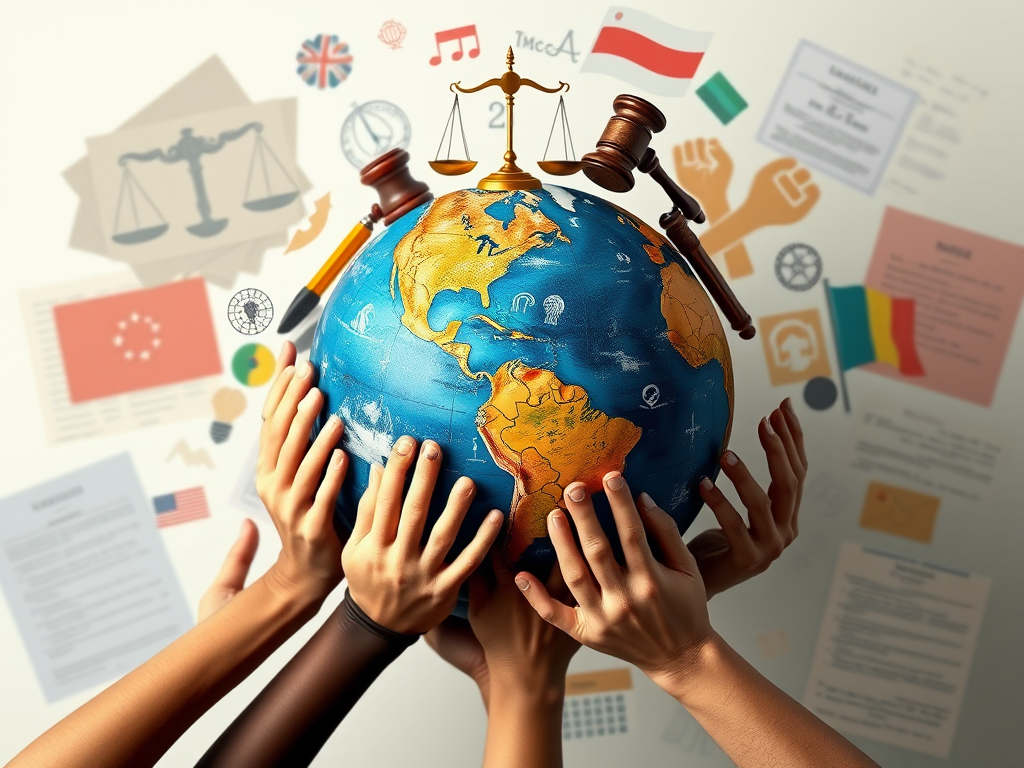
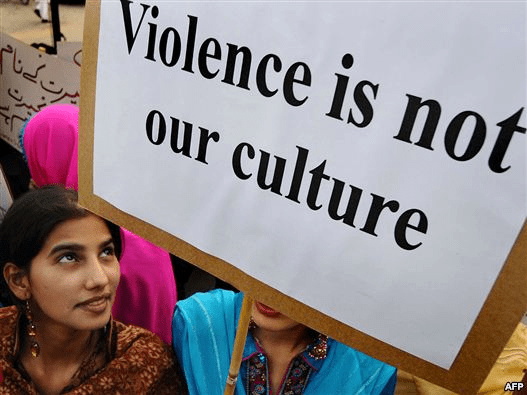



 Vision-Vista of JJ Baloch