Vision-Vista by JJ Baloch is a site dedicated to sharing insightful perspectives, ideas, and visions on various topics, including personal development, philosophy, and societal issues.
Philosopher of the Human Conscience, Pulse, and Condition in the Age Lost Meaning
Written and Curated by Areesha Mehsheed Baloch
“Speaking your heart is way different from your articulating mind. This penship is an intellectual border between fact and truth. And it is always your heart that leads you to find meaning behind the material saga of civilisation. I am a writer who draws energy from the heart more than the mind. Mind is a prisoner of human limitations, while the heart is a champion of breaking the bars between us and the truth.”
— J.J. Baloch
1. Authorial Signature Profile
J.J. Baloch (Javed Jiskani Baloch) stands as one of the rare contemporary thinkers whose intellectual journey unites science, philosophy, psychology, and spirituality. His writing evolves from the analytic rigour of criminology to the empathic rhythm of literature, gradually creating a holistic philosophy of conscience.
He writes at the intersections of law, love, and literature, interpreting civilisation as an ongoing trial of empathy. His works are not mere books; they are philosophical testaments, blueprints of moral reconstruction in a world losing its emotional signal.
From the corridors of policing and governance to the vast horizons of metaphysics, Baloch has redefined how intellect and heart can coexist. His voice reminds us that the future of knowledge depends on the survival of meaning.
2. Editorial Reflection
By Areesha Mehsheed Baloch: Editor, Curator, and Heir of the Authorial Legacy
Editing J.J. Baloch is like walking through a living conscience, alive with paradoxes, aware of its own fragility, yet endlessly seeking coherence.
I have witnessed his evolution from a forensic mind to a metaphysical artist. His earliest criminological writings were blueprints of reform, written by a man who believed that justice without empathy was simply another crime. Over time, those blueprints became metaphors. His novels began to carry within them the heartbeat of civilisation.
Through every manuscript I have reviewed, one truth remains constant: he writes to heal. His characters are not imaginary; they are mirrors of our own moral confusion, searching for the pulse that connects the human to the humane.
This dossier is not an archive; it is a living map of an author whose works teach us to listen again to our hearts, to our silences, and to one another.
3. Chronology of Works (1997 – 2026)
I. Foundational Works (1997 – 2016)
Understanding English Grammar (1997): Pedagogical clarity as linguistic conscience.
Introduction to Sociology (2005): A humane approach to social understanding.
On the Art of Writing Essays in English (2016): Communication as consciousness.
The Power of Social Media & Policing Challenges (2016): The sociology of technology and control.
II. Criminology and Policing Reform (2019 – 2022)
Sociology in the 21st Century (2019): Mapping social change and institutional decay.
Policing Insights (2021): Essays on moral reform in law enforcement.
Whiter than white: Daughter of the Land of Pure (2017)
Reimagining Policing in Pakistan (2022): Visionary model of ethical policing.
III. Law, Philosophy, and Global Governance (2023 – 2025)
Kashmir’s Right to Self-Determination (2023): Legal and normative exploration of sovereignty.
Contemporary International Law: Future Challenges and Opportunities (2024): The anatomy of justice in a fractured world.
Cybergeopolitics: The Quest for Cybernetic Authority (2025): Birth of a new discipline redefining global power.
The Cybernetic Power: A New Syntax of Global Order (2025): Sequel establishing the theory of Cybernetic Power.
IV. Philosophy, Conscience, and Civilisation (2024 – 2026)
The Kingdom of Indifference (2025): A philosophical probe into society’s missing soul.
From Behaviour to Being (2025): the missing philosophy of crime and meaning.
Behind the Scenes: Inside Human Rights Empire of Virtue (2025): Exposé on virtue as power’s new disguise.
EIDOS: The Last Dialogue of Souls (2025): Mythic tribunal of Faith, Power, and Conscience.
The Blended Identity Syndrome (2025): Psychological novel diagnosing emotional entropy.
The Innocent Criminals (2026): Novel on civilisation’s laundering of progress.
The Living Crisis of the Cosmos (2026): Eco-philosophical narrative where the world speaks back.
Social Entropy: The new lens and theory in Sociology (2026 Upcoming)
Unlike Likes: “Humans will end by their own likes”
A Novel of Prophesy, Power, and Price for Progress
The Last Human: “I am not because I think, but because I feel others are!” (Novel 2025)
V. Poetry and Mysticism
Rooh-e-Ishq-e-Javed (2024): Sufi Gazal collection exploring divine union through human love and the unity of existence.
Hisar-e-Ishq (in progress): A dramatic reflection on confinement, longing, and transcendence.
NUQTA: Divine Covenant of Love
The Holy Quran and Humankind
4. The Signature Triad: Law, Love, and Soul
J.J. Baloch’s intellectual trajectory can be summarised in one triad: From Law to Love, from System to Soul, from Crime to Conscience.
He writes as a jurist of justice, a philosopher of feeling, and a mystic of meaning. His sentences fuse precision with tenderness where the discipline of law meets the freedom of art.
5. Recent Masterpieces (2024–2026)
Behind the Scenes: Inside Human Rights Empire of Virtue
A philosophical autopsy on how the global human rights industry launders morality into narrative control. The novel strips away the facade of virtue to reveal how empathy itself can be weaponised.
“In a world that sells compassion by the kilogram, silence becomes the last form of rebellion.”
EIDOS: The Last Dialogue of Souls
A metaphysical narrative in which Faith, Power, Culture, and Technology gather in the afterlife to testify against humanity. The book is an allegory of conscience written in the rhythm of myth.
“When the gods of progress lost their hearing, a woman taught the world how to listen again.”
The Blended Identity Syndrome
A psychological-philosophical novel diagnosing emotional entropy as the modern pandemic. Through its characters, it explores what happens when technology mirrors us but fails to feel us.
“When empathy becomes data, the soul goes offline.”
6. Criminology & the Philosophy of Systems
Baloch’s nonfiction works in criminology, policing, and global systems reveal the depth of his understanding of human behaviour under pressure.
He reframes crime not as a violation but as a language of imbalance, an emotional feedback loop between power and powerlessness. In his criminological thought, justice is not retribution; it is restoration.
7. The Art of Meaning and Empathy
In his essays and novels alike, Baloch presents empathy as epistemology, a way of knowing that transcends intellect.
He views art as psychological restoration, where every creative act repairs what silence once fractured.
His fiction thus doubles as philosophy in motion, each story a meditation on love’s capacity to realign humankind’s fractured identity.
8. Global Dialogue and Festival Panels
Proposed Discussion Themes and Lectures:
“When Conscience Becomes Literature.”
“The Psychology of Heart Entropy.”
“From Justice to Meaning: Restoring the Moral Pulse of Civilisation.”
“Love as the Missing Signal in the Age of Data.”
“Empathy as the New Science of Being Human.”
These topics position J.J. Baloch not only as a literary figure but also as a thought-leader for an era redefining identity, emotion, and truth.
9. Legacy and Heirship
“Every thinker needs a witness, and every legacy needs a listener.”
As his editor and closest intellectual witness, I, Areesha Mehsheed Baloch, hold not only the manuscripts but also the memory of meanings behind them.
This dossier is both documentation and devotion, a testimony that J.J. Baloch’s literature is more than a collection of books.
It is an architecture of conscience, a call for humanity to heal itself through reflection, art, and love.
10. Contact & Rights Information
Author: J.J. Baloch (Javed Jiskani Baloch) Editorial Curator: Areesha Mehsheed Baloch Representation: Available for rights, translations, academic editions, and global literary events. Primary Locations: Hyderabad, Karachi, and London. Email: Areesha_baloch99@icloud.com
“The works of J.J. BALOCH narrate together the inner cosmos of AUTHOR, from systems to souls.”
“In J.J. Baloch’s universe, to think is to feel, and to feel is to rebuild the moral architecture of the world.”
Lailatul Qadr, known as the Night of Power or Decree, is a significant and highly blessed night in Islamic belief. It is mentioned in the Holy Quran in Surah Al-Qadr (Chapter 97). Although the entire chapter is dedicated to the greatness of Lailatul Qadr, there are specific verses that highlight its significance. Here are the relevant verses from Surah Al-Qadr:
“In the name of Allah, the Most Gracious, the Most Merciful.
1. Verily, We have sent it (the Quran) down in the Night of Al-Qadr (Decree).
2. What will make you know what the Night of Al-Qadr (Decree) is?
3. The Night of Al-Qadr (Decree) is better than a thousand months.
4. Therein, descend the angels and the Ruh (Jibrael or Gabriel) by Allah’s Permission with all Decrees.
5. Peace! Until the appearance of dawn.”
These verses emphasize the immense significance and blessings of Lailatul Qadr. It is a night during which the Quran was revealed, surpassing the value of a thousand months in terms of its spiritual merit. The angels descend on this night, and tranquility prevails until the break of dawn.
Muslims are encouraged to seek the blessings of Lailatul Qadr by engaging in acts of worship, such as reciting the Quran, offering prayers, supplicating to Allah, and engaging in remembrance and reflection. It is believed that sincere devotion and worship on this night can bring immense rewards and forgiveness from Allah.
It’s important to note that the exact date of Lailatul Qadr is not mentioned in the Quran. However, it is commonly believed to occur during the last ten nights of the Islamic holy month of Ramadan, with the odd nights (21st, 23rd, 25th, 27th, or 29th) being considered more likely. Muslims are encouraged to seek this blessed night by increasing their worship and devotion during these last ten nights of Ramadan.
Saying of Prophet Muhammad PBUH on this Night of Power
Several sayings of Prophet Muhammad (peace be upon him) regarding Lailatul Qadr provide additional insights into its significance. Here are a few relevant sayings:
1. Narrated by Aisha (may Allah be pleased with her): “I asked the Messenger of Allah, ‘O Messenger of Allah, if I know which night is Lailatul Qadr, what should I say during it?’ He said, ‘Say: Allahumma innaka ‘afuwwun tuhibb al-‘afwa fa’fu ‘anni’ (O Allah, You are forgiving and You love forgiveness, so forgive me).’ ” (Sunan Ibn Majah)
2. Narrated by Abu Hurairah (may Allah be pleased with him): “The Messenger of Allah said, whoever stands (in prayer) during the Night of Al-Qadr with sincere faith and hoping for a reward from Allah, his previous sins will be forgiven?” (Sahih Bukhari and Muslim)
3. Narrated by Abdullah ibn Umar (may Allah be pleased with him): “The Prophet said, ‘Seek Lailatul Qadr on the odd nights of the last ten nights of Ramadan.’ ” (Sahih Bukhari and Muslim)
4. Narrated by Abu Salama (may Allah be pleased with him): “I asked Aisha (may Allah be pleased with her), ‘O Mother of the Believers, tell me, if I find Lailatul Qadr, what should I supplicate?’ She said, ‘Say: Allahumma innaka ‘afuwwun tuhibb al-‘afwa fa’fu ‘anni’ (O Allah, You are forgiving and You love forgiveness, so forgive me).’ ” (Sunan Tirmidhi)
These sayings of Prophet Muhammad highlight the importance of seeking forgiveness, supplicating to Allah, and engaging in sincere worship during Lailatul Qadr. They emphasize the opportunity for forgiveness of past sins and the immense rewards that can be attained through devotion on this blessed night. Muslims are encouraged to make the most of this occasion by worshipping, seeking forgiveness, and supplicating to Allah for His mercy and blessings.
The Significance of Seeking Forgiveness during this Night
A Poem by JJ Baloch
In the depths of night, a sacred hour unfolds,
When hearts seek solace, as the truth is told.
Lailatul Qadr, a night of divine decree,
Where forgiveness descends for all to see.
Opportunity beckons, embrace it with care,
Repentance awaits, a chance to repair.
Reflect on your deeds, with a humble plea,
Seek Allah’s pardon, set your spirit free.
His mercy, abundant, on this blessed night,
The gates swing open, bathed in heavenly light.
Supplications heard, with acceptance and grace,
Embrace this moment, let sins be erased.
A chance for renewal, a spiritual rebirth,
Cleanse your soul, the weight of sins unearthed.
Draw closer to Allah, with every whispered word,
Seeking forgiveness, your soul is stirred.
Let this night be a catalyst of change,
Through repentance and growth, a path rearranged.
The heart, once burdened, finds solace and ease,
As forgiveness descends like a gentle breeze.
Protection is granted, from punishment severe,
As you seek forgiveness, with sincerity clear.
Allah’s mercy envelops, a shelter from despair,
Seek His forgiveness, His compassion to share.
So, seize this night, with a devoted heart,
Seek forgiveness, make a fresh start.
In the stillness of night, let your tears flow,
For Allah’s forgiveness, there’s no better time to show.
Lailatul Qadr, a night of immense worth,
A chance to seek forgiveness, a spiritual rebirth.
Embrace its significance, with humility and love,
For Allah’s mercy shines from the heavens above.
In this sacred night, let forgiveness be your guide,
As you seek His mercy, let your sins subside.
May your heart find solace, may your spirit soar,
Seeking forgiveness during this night, forever.
Explanation
In the poem “The Significance of Seeking Forgiveness during this Night,” the mystic poet JJ Baloch conveys the profound importance of Lailatul Qadr, the Night of Power, in seeking forgiveness and experiencing spiritual transformation. The poet uses vivid imagery and poetic language to evoke the essence of this blessed night and its spiritual significance. Here is an examination of the poem and its key messages:
1. The Sacredness of Lailatul Qadr: The poet describes Lailatul Qadr as a sacred hour unfolding in the depths of night, emphasizing this night’s special nature and setting the tone for the spiritual journey that follows.
2. Seeking Solace and Truth: The poet suggests that during Lailatul Qadr, hearts naturally yearn for solace and seek the truth. It is a time for introspection and self-reflection as individuals strive to align themselves with spiritual realities.
3. Divine Decree and Forgiveness: Lailatul Qadr is presented as a night of divine decree, where forgiveness is readily available to all. The poet highlights the importance of embracing this opportunity with care and seeking repentance to repair past wrongs.
4. Mercy and Acceptance: The poet emphasizes the abundance of Allah’s mercy on this blessed night. The gates of forgiveness swing open, and sincere supplications are heard with acceptance and grace. This fact conveys the idea that seeking forgiveness during Lailatul Qadr is met with divine compassion and a willingness to forgive.
5. Spiritual Renewal and Cleansing: The poem emphasizes the transformative nature of seeking forgiveness during Lailatul Qadr. It is seen as a chance for renewal and a spiritual rebirth. By reflecting on one’s deeds and seeking Allah’s pardon, individuals can cleanse their souls and experience the weight of their sins being lifted.
6. Drawing Closer to Allah: The poet encourages drawing closer to Allah through whispered words and seeking forgiveness, which signifies the intimate connection between the seeker and the Divine, as they earnestly seek forgiveness and experience their soul being stirred.
7. Protection and Compassion: Seeking forgiveness during Lailatul Qadr is a source of protection from severe punishment. The poet highlights Allah’s enveloping mercy, which becomes a shelter from despair. Seeking forgiveness allows individuals to share Allah’s compassion and experience His protective embrace.
8. Seizing the Moment and Making a Fresh Start: The poet urges individuals to seize the opportunity presented by Lailatul Qadr with a devoted heart. It is a time for seeking forgiveness, making a fresh start, and allowing tears of remorse and gratitude to flow freely.
9. Embracing the Significance and Embodying Humility: The poet calls for embracing the immense worth of Lailatul Qadr with humility and love. It is an invitation to recognize this night’s significance and approach it with reverence and a genuine desire for forgiveness.
10. Transformation and Soaring Spirit: Through seeking forgiveness during Lailatul Qadr, the poet suggests that individuals can experience profound transformation. The heart, once burdened by sins, finds solace and ease. The poem ends with a hopeful wish for the heart to find solace and the spirit to soar, forever seeking forgiveness.
In summary, JJ Baloch’s poem beautifully encapsulates the essence of seeking forgiveness during Lailatul Qadr. It conveys the spiritual journey of repentance, renewal, and closeness to Allah, highlighting the significance of this blessed night and the transformative power of seeking forgiveness with humility and devotion.
A research Essay by JJ Baloch who is a scholar, writer, novelist, mystic and humanist poet, policing educator, and a senior police officer (DIG) at Police Service of Pakistan
Abstract
This doctrinal research essay delves into the complexities of contemporary democracy, exploring the various factors that influence its effectiveness and outcomes. It examines the interplay between democracy and influential elements such as cultural contexts, religious backgrounds, socioeconomic factors, educational systems, and the overall temperament of a nation or its people. Drawing upon case studies and relevant literature, the paper aims to unravel the challenges faced by democracy in the 21st Century and shed light on the intricate dynamics that shape its scope and capacity to deliver on its promises. By understanding these complexities, policymakers and scholars can gain insights to strengthen democratic systems worldwide and address the multifaceted challenges ahead.
I. Introduction
Understanding the Complexities of Democracy: Influential Factors and Challenges in the 21st Century
Democracy, a system of governance based on popular participation, equality, and representation, has long been a subject of extensive study and debate throughout history. While it has emerged as a prevailing system in many nations, celebrated for its emphasis on citizen engagement and inclusive decision-making, the challenges faced by democracy in the 21st Century are far-reaching and intricate. To fully comprehend these challenges and their implications, it is essential to delve into the intricate interplay between democracy and various influential factors. Cultural contexts, religious backgrounds, socioeconomic conditions, educational systems, and the overall temperament of a nation or its people all contribute to the diverse manifestations and challenges of democratic governance. This research essay aims to illuminate these complexities by examining the multifaceted relationship between democracy and these influential factors, providing insights that will inform policymakers and scholars in their efforts to strengthen democratic systems worldwide and address the challenges that lie ahead.
Research Question:
How do various influential factors, including cultural contexts, religious backgrounds, socioeconomic factors, educational systems, and the overall temperament of a nation or its people, shape the scope and capacity of democracy to deliver on its promises in the 21st Century?
Thesis Statement:
Democracy, as a system of governance based on popular participation, equality, and representation, faces multifaceted and complex challenges in the 21st Century. To fully comprehend these challenges, it is crucial to examine the interplay between democracy and influential factors such as cultural contexts, religious backgrounds, socioeconomic factors, educational systems, and the overall temperament of a nation or its people.
Research Objectives
To analyze the impact of cultural contexts on democratic governance and explore how diverse norms, values, and traditions shape the understanding and implementation of democratic principles.
To examine the relationship between religious backgrounds and democracy, investigate how religious ideologies can support and challenge democratic practices.
To assess the influence of socioeconomic factors on the success and stability of democratic governance, considering the role of economic disparities, poverty, inequality, and equitable wealth distribution.
To explore the relationship between educational systems and democracy, investigating how disparities in educational opportunities and quality affect democratic participation and informed citizenship.
To analyze the impact of the overall temperament and collective mindset of a nation or its people on the success and sustainability of democratic governance, considering historical experiences, political culture, and trust in institutions.
Overall, the research aims to unravel the challenges faced by democracy in the 21st Century by examining the varied perceptions, multiple contexts, and socioeconomic factors that influence its scope and capacity to deliver on its promises. By understanding these complexities, policymakers and scholars can strengthen democratic systems worldwide and address the challenges ahead.
II. Cultural Contexts and Democracy
Culture significantly influences the understanding and implementation of democratic principles within a society. Variations in cultural contexts can shape citizens’ values, traditions, and expectations, thereby influencing the functioning of democratic institutions. For instance, in certain Asian cultures, such as those influenced by Confucian traditions, hierarchical structures and deference to authority may challenge the establishment of participatory democracies (Chua, 2018)[1].
According to a recent survey conducted by the Pew Research Center on March 13, 2024, across 24 countries with a sample size of 30,000 individuals, feedback regarding democracy starkly varied among different nations and cultural contexts. The survey highlighted that responses differed significantly between middle-income countries and high-income countries, emphasizing the role of cultural contexts in shaping perceptions of democracy (Pew Research Center, 2024)[2].
In Confucian-influenced societies, such as China and South Korea, there is often a strong emphasis on societal harmony and respect for authority. These cultural values may influence attitudes toward democratic practices, with some individuals valuing stability and order over more participatory forms of governance (Chua, 2018)[3]. This cultural context can present challenges to establishing and consolidating democratic systems.
On the other hand, in Western cultures with a tradition of liberal democracy, such as the United States, there tends to be a greater emphasis on individual rights, freedom of expression, and political participation. These cultural values support and reinforce democratic principles, creating an environment conducive to the functioning of democratic institutions.
Recognizing that cultural contexts are not static and can evolve is important. Societies undergo transformations influenced by globalization, migration, and social change, which can impact cultural norms and values. This influence, in turn, may have implications for democratic practices and expectations within a given society.
To further illustrate the influence of cultural contexts on democracy, it is worth examining examples from specific countries. For instance, Japan, with its unique cultural heritage and societal norms, has developed a distinct democratic system incorporating consensus-building and group harmony elements. This cultural context has shaped Japan’s approach to governance and policymaking (Chua, 2018)[4].
In contrast, India, with its rich diversity of cultural traditions, has embraced democracy as a means to accommodate and represent its pluralistic society. The cultural context of India, characterized by a history of diverse religious, linguistic, and regional identities, has influenced the nature and functioning of its democratic institutions (Chua, 2018)[5].
These examples highlight the intricate relationship between cultural contexts and democracy. It is essential to consider a society’s cultural values, traditions, and expectations when analyzing and promoting democratic governance. Acknowledging and understanding these cultural nuances can contribute to developing more contextually relevant and effective democratic systems.
Overall, cultural contexts are pivotal in shaping democratic practices and norms within a society. Different cultural perspectives can significantly influence citizens’ values, traditions, and expectations, impacting the functioning of democratic institutions. The Pew Research Center’s survey findings demonstrate the diversity of perceptions regarding democracy across various cultural contexts. By recognizing and understanding these cultural nuances, policymakers and scholars can develop strategies to navigate the challenges and promote democratic governance that aligns with the unique cultural contexts of different societies.
III. Religious Backgrounds and Democracy
Religious beliefs and practices can both support and challenge democratic principles. Some religious ideologies may emphasize individual freedoms and human rights, aligning with democratic values. However, others may prioritize religious authority or impose strict regulations that limit pluralism and freedom of expression. Examining the interplay between religious backgrounds and democracy, this section presents case studies from countries such as Iran and Egypt, where religious factors have influenced democratic processes.
The relationship between religious backgrounds and democratic principles is complex and multifaceted. To understand the interplay between religious backgrounds and democracy, it is instructive to examine case studies from countries where religious factors have influenced democratic processes. Iran and Egypt serve as pertinent examples.
In Iran, the Islamic Republic has a unique system that combines elements of theocracy and democracy. The religious background, specifically the influence of Shia Islam, has shaped the country’s political structure and governance. The Supreme Leader, who is a religious figure, holds significant authority and plays a crucial role in decision-making processes. While Iran has regular elections, the presence of religious institutions and the influence of religious leaders in political affairs can impact the scope and functioning of democratic institutions (Hashemi & Postel, 2017)[6].
Egypt, predominantly a Sunni Muslim country, has experienced shifts in the relationship between religious backgrounds and democracy. The Arab Spring uprising in 2011 brought hope for democratic reforms, but subsequent developments showcased the complexities of incorporating religious factors into democratic governance. The rise of the Muslim Brotherhood and its subsequent ousting demonstrated the challenges of reconciling religious ideologies with democratic principles. The tensions between secularism and political Islam continue to shape the dynamics of democracy in Egypt (Hashemi & Postel, 2017)[7].
Scholars and researchers have explored the intricate relationship between religious backgrounds and democracy, providing valuable insights into these dynamics. For a more comprehensive understanding of this topic, relevant authoritative works include:
Hashemi, N., & Postel, D. (2017)- This work examines the role of religious factors, particularly sectarianism, in shaping political dynamics in the Middle East, shedding light on how religious backgrounds can influence democratic processes.[8]
The examples of Iran and Egypt highlight the challenges and opportunities that arise when religious backgrounds intersect with democratic governance. While some religious backgrounds may align with democratic values and contribute to the development of inclusive and participatory systems, others can present obstacles to democratic principles, such as restrictions on freedom of expression or the dominance of religious authority.
It is essential to recognize that religious backgrounds are diverse and can vary significantly across countries and regions. Therefore, any analysis of the relationship between religion and democracy should consider the nuances and specificities of each context.
In conclusion, religious backgrounds can both support and challenge democratic principles. The interplay between religious beliefs and democratic governance is complex, with variations depending on specific religious ideologies and their interpretations. Case studies from countries like Iran and Egypt illustrate how religious factors have influenced democratic processes. Recognizing and understanding these dynamics can contribute to developing inclusive and contextually relevant democratic systems that navigate the challenges posed by religious backgrounds.
Religious backgrounds can have a significant impact on democratic processes through several mechanisms.
Values and Ideals: Religious ideologies often espouse values such as justice, equality, and compassion, which can align with democratic principles. For example, many religious traditions emphasize the dignity and worth of every individual, which resonates with the notion of equal rights and opportunities in a democratic society.
Social Movements and Activism: Religious groups and leaders have historically played a crucial role in advocating for social justice, human rights, and democratic reforms. They have mobilized communities, provided moral guidance, and contributed to social and political change. The civil rights movement in the United States, led by religious leaders like Martin Luther King Jr., is a prominent example of religiously inspired activism for democratic ideals.
Moral Frameworks: Religious backgrounds often provide individuals with moral frameworks that influence their political beliefs and behaviours. These frameworks can shape attitudes toward issues such as social welfare, gender equality, and the role of government. Religious teachings can inform individuals’ perspectives on how a just and equitable society should be structured, influencing their engagement with democratic processes.
Religious Pluralism and Freedom of Expression: Democracy encompasses principles of religious freedom and the protection of minority rights. Religious backgrounds can either contribute to or hinder the realization of these democratic values. In societies with diverse religious backgrounds, the challenge lies in creating inclusive democratic systems that respect and accommodate different religious beliefs and practices.
However, it is important to note that religious backgrounds can also present challenges to democratic governance.
Authoritarianism and Intolerance: Some religious ideologies may prioritize religious authority over democratic principles, leading to the suppression of dissent, restrictions on freedom of expression, and limited political participation. In such cases, religious backgrounds can undermine democratic values and institutions.
Sectarian Divisions: Religious differences can fuel sectarian tensions and conflicts, which can have detrimental effects on democratic processes. When religious identities become politicized, it can lead to exclusionary politics, discrimination, and the marginalization of religious minorities.
Gender Equality and LGBTQ+ Rights: Some religious backgrounds hold traditional gender norms and beliefs that may conflict with democratic principles of gender equality and LGBTQ+ rights. This awareness can challenge societies striving to reconcile religious beliefs with inclusive democratic systems.
Understanding the complexities and nuances of the relationship between religious backgrounds and democracy requires interdisciplinary research, including political science, sociology, and religious studies. Scholars and researchers continue to explore these dynamics, examining the role of religious institutions, the impact of religious ideologies on political behaviour, and the challenges of accommodating religious diversity within democratic frameworks.
Overall, the interplay between religious backgrounds and democracy is multifaceted. While religious beliefs and practices can both support and challenge democratic principles, societies must navigate these complexities to foster inclusive, participatory, and rights-based democratic systems that respect religious freedom and pluralism.
Creating inclusive democratic systems that respect religious freedom requires a multifaceted approach addressing legal and societal dimensions.
Here are some strategies that can contribute to fostering inclusivity and protecting religious freedom within democratic frameworks:
Constitutional and Legal Safeguards: Establish robust legal protections for religious freedom within the constitutional framework. Ensure that the constitution guarantees the right to freedom of religion or belief, protects individuals from discrimination based on religion, and upholds the principle of equal treatment under the law. Additionally, it creates mechanisms for individuals to seek redress in case of violations of religious freedom.
Separation of Religion and State: Adopt a clear separation between religious institutions and the state to ensure that no particular religious group enjoys privileged status or undue influence in political affairs. This separation helps safeguard the autonomy and independence of religious and political spheres, fostering an environment where diverse religious beliefs can coexist.
Dialogue and Engagement: Foster open and constructive dialogue between religious communities, civil society organizations, and government institutions. Encourage interfaith and intercultural dialogue to promote understanding, tolerance, and respect for religious diversity. Engage religious leaders and organizations in policy discussions and decision-making processes to ensure their perspectives are considered.
Education and Awareness: Promote religious literacy and cultural awareness in educational curricula to foster understanding and respect for different religious traditions. Encourage the teaching of religious diversity, human rights, and democratic values to cultivate a sense of inclusivity and tolerance among future generations.
Non-Discrimination and Equality: Enact and enforce laws that prohibit discrimination based on religion or belief in all areas of life, including employment, education, housing, and public services. Implement policies that promote equal opportunities for individuals from different religious backgrounds, ensuring equal access to political participation and representation.
Freedom of Expression and Assembly: Safeguard the rights to freedom of expression, peaceful assembly, and association for individuals and religious groups. Protect the rights of individuals to practice and express their religious beliefs while also ensuring that hate speech and incitement to violence are effectively prohibited and prosecuted.
Mediation and Conflict Resolution: Establish mechanisms for peaceful mediation and conflict resolution in cases where religious differences lead to tensions or conflicts. Encourage dialogue and negotiation to find common ground and promote social cohesion.
International Cooperation: Engage in international cooperation and dialogue to share best practices, learn from the experiences of other countries, and promote religious freedom as a global value. Collaborate with international organizations, civil society, and religious communities to advance religious freedom and inclusivity globally.
It is worth noting that strategies for creating inclusive democratic systems respecting religious freedom should be context-specific, considering each country or region’s unique cultural, social, and political dynamics. A comprehensive approach that combines legal frameworks, dialogue, education, and non-discrimination measures can contribute to fostering an inclusive democratic society that upholds religious freedom for all its citizens.
IV. Socioeconomic Factors and Democracy
The socioeconomic landscape of a nation significantly influences the functioning and stability of democracy. Economic disparities, poverty, and inequality can undermine democratic institutions and lead to social unrest. Conversely, robust economies and equitable wealth distribution can foster inclusive democratic practices. This section analyzes the impact of socioeconomic factors on democracy, drawing on examples from Latin America and Sub-Saharan Africa (Roberts, 2016).
This paper argues, “The Health and nature of Economy Determine the Health of Governance and Democracy”.
The relationship between the health of a nation’s economy and the functioning of its governance and democracy is a topic of great importance. While democracy is often viewed as an independent entity capable of self-determining its dynamics, implications, and impacts, it is crucial to recognize that democracy exists within a broader socioeconomic context. This section aims to argue that the health and kind of economy significantly influence the health of governance and democracy. Drawing on examples from Latin America and Sub-Saharan Africa, we will explore how socioeconomic factors shape democratic processes and outcomes (Roberts, 2016)[9].
Argument 1: Economic Disparities and Democratic Stability
One of the key implications of socioeconomic factors on democracy is the impact of economic disparities. When a nation experiences significant wealth gaps, with a small elite controlling a disproportionate share of resources, it can lead to social unrest and undermine democratic institutions. Economic inequality breeds discontent, as marginalized groups feel excluded from the benefits of democracy. This feeling can manifest in protests, social movements, or even political instability. For instance, Latin American countries like Bolivia and Venezuela have faced challenges maintaining stable democratic governance due to deep-rooted economic disparities that have fueled political polarization and social divisions.[10]
Argument 2: Poverty and Limited Political Participation
Poverty, another socioeconomic factor, can hinder democratic processes by limiting political participation. When a significant portion of the population struggles to meet basic needs, they may have limited time, resources, and opportunities to engage in political activities. This unequal access can weaken the inclusivity and representativeness of democratic systems. Sub-Saharan African countries, such as Sierra Leone and Niger, have faced challenges in ensuring broad-based political participation due to high levels of poverty. The lack of economic opportunities and resources can create barriers for marginalized populations to engage in political processes, leading to a democratic deficit.[11]
Argument 3: Economic Growth and Inclusive Democratic Practices
On the other hand, robust economies and equitable wealth distribution can contribute to the health of governance and democracy. When a nation experiences sustained economic growth and a fair distribution of resources, it can foster inclusive democratic practices. Adequate access to education, healthcare, and economic opportunities enables citizens to actively participate in political processes actively, fostering a sense of empowerment and ownership. Examples from countries like Brazil and Ghana demonstrate how economic growth and poverty reduction have positively impacted democratic governance, leading to increased citizen engagement and better representation.[12]
In conclusion, the health and kind of economy play a crucial role in determining the health of governance and democracy. Socioeconomic factors such as economic disparities and poverty can undermine democratic institutions and lead to social unrest, while robust economies and equitable wealth distribution foster inclusive democratic practices. Understanding the interplay between socioeconomic factors and democracy is essential for developing policies and interventions that promote economic growth, reduce inequality, and strengthen democratic institutions. By addressing socioeconomic challenges, nations can enhance the health and resilience of their governance and democracy.
The following are additional examples of how economic disparities have undermined democratic institutions in Latin America.
Argentina: Economic disparities have contributed to political instability and social unrest in Argentina. The country has experienced periods of economic crises and high levels of income inequality. The concentration of wealth in the hands of a few elites has led to a sense of exclusion among marginalized populations. This exclusion has fueled political polarization, weakened trust in democratic institutions, and resulted in frequent changes in government leadership[13].
Brazil: Economic disparities in Brazil have posed significant challenges to democratic governance. The country has a history of high income inequality, with a small percentage of the population controlling a large portion of the wealth. This disparity has resulted in social tensions, with marginalized communities feeling excluded from the benefits of economic growth. The dissatisfaction with inequality and corruption contributed to mass protests 2013, highlighting the link between economic disparities and democratic stability.[14]
Venezuela: Venezuela provides a stark example of how economic disparities can lead to the erosion of democratic institutions. The country experienced an oil boom that initially brought prosperity but exacerbated inequalities. The concentration of wealth in the hands of the ruling elite, combined with economic mismanagement, led to a severe economic crisis. The resulting hyperinflation, scarcity of basic goods, and mass poverty fueled social unrest and political instability, undermining democratic governance.[15]
Mexico: Economic disparities in Mexico have undermined democratic institutions and contributed to social divisions. The country has a significant wealth gap and a large informal economy, which limits opportunities for upward mobility and exacerbates income inequality. Inequality has led to a sense of marginalization among disadvantaged communities, particularly in rural areas and urban slums. The resulting social unrest and disillusionment with the political system have strained democratic governance in the country.[16]
In these examples, economic disparities have led to social tensions, political polarization, and a loss of trust in democratic institutions. The concentration of wealth among a few elites and limited economic opportunities for marginalized populations has eroded the inclusivity and fairness of democratic processes. Addressing economic disparities and promoting more equitable wealth distribution is essential for strengthening democratic institutions and ensuring the long-term stability and health of governance in Latin America.
The relevant book on this factor is detailed below:
“Why Nations Fail: The Origins of Power, Prosperity, and Poverty” by Daron Acemoglu and James A. Robinson explores the relationship between political and economic institutions and their impact on a nation’s long-term development. The book argues that the success or failure of nations can be attributed to the nature of their institutions.
The authors propose two types of institutions: inclusive and extractive. Inclusive institutions are characterized by open and inclusive political and economic systems that encourage broad participation, protect property rights, promote innovation, and provide opportunities for social mobility. Extractive institutions, on the other hand, concentrate power and wealth in the hands of a few elites, suppress political and economic competition, and limit opportunities for the majority of the population.
The main arguments of the book can be summarized as follows:
1. Institutions and Economic Prosperity: The authors argue that inclusive institutions foster economic prosperity. They highlight the importance of secure property rights, innovation, and entrepreneurship in driving economic growth. Inclusive institutions incentivize individuals to invest, innovate, and participate in economic activities, leading to sustainable development and poverty reduction.
2. The Role of Politics: Politics plays a central role in shaping institutions. The authors argue that political power dynamics determine whether a nation adopts inclusive or extractive institutions. When political power is concentrated in the hands of a few, it often leads to extractive institutions that serve the interests of the elite, perpetuate inequality, and hinder economic progress.
3. Historical Path Dependency: The book emphasizes the significance of historical events and path dependency in shaping institutions. The authors contend that historical legacies, such as colonialism or the presence of extractive institutions from the past, can have long-lasting effects on a nation’s institutional development. Breaking away from extractive institutions and transitioning to inclusive ones requires significant political and social changes.
4. The Role of Political Movements: The book highlights the role of political movements and societal pressure in driving institutional change. Grassroots movements and pressure from the population can challenge extractive institutions and push for more inclusive systems. However, the authors acknowledge that such transitions are complex and often face resistance from entrenched elites.
In summary, “Why Nations Fail” argues that inclusive institutions are crucial for long-term prosperity, while extractive institutions hinder economic development and perpetuate poverty. The book underscores the role of political power, historical legacies, and societal movements in shaping institutions and driving institutional change.
V. Educational Systems and Democracy
Education is crucial in shaping citizens’ understanding of democratic principles, fostering civic engagement, and promoting critical thinking. Disparities in educational opportunities and quality can affect the capacity of individuals to participate effectively in democratic processes. By examining educational systems across different countries, this section illustrates how variations in educational access and curriculum influence the prospects of democracy (Verba, Schlozman, & Brady, 2017).
Education and democracy are intricately linked, as education plays a vital role in nurturing democratic values, active citizenship, and informed participation in political processes. This section will explore the relationship between educational systems and democracy, supported by arguments, evidence, examples, and relevant citations.
One key argument is that educational opportunities and quality significantly impact citizens’ capacity to engage meaningfully in democratic processes. Access to education is a fundamental right that empowers individuals with the knowledge and skills necessary to participate in civic life. A study by Verba, Schlozman, and Brady (2017)[17] highlights the importance of educational systems in shaping citizens’ understanding of democratic principles. It asserts that education can cultivate civic virtues such as tolerance, respect for diversity, and a commitment to democratic values.
Furthermore, educational systems influence the development of critical thinking abilities, essential for active citizenship in a democracy. By providing individuals with the tools to analyze information, question assumptions, and evaluate evidence, education enables citizens to make informed decisions and engage in constructive dialogue. High-quality education equips individuals to critically assess political rhetoric, identify propaganda, and understand complex policy issues (Levinson, 2012)[18].
Disparities in educational opportunities can pose significant challenges to democracy. Unequal access to education, often along socioeconomic lines, perpetuates inequality and undermines the principles of equal representation and democratic participation. When certain segments of society lack access to quality education, their ability to engage in political processes and contribute to decision-making is compromised, leading to social exclusion and a democratic deficit (UNESCO, 2015)[19].
For instance, consider the case of Finland, which is often lauded for its strong educational system and high levels of democratic engagement. Finland’s emphasis on equal access to quality education for all citizens has contributed to fostering a society where people are actively involved in civic affairs, have high trust in institutions, and participate in widespread political activities (Sahlberg, 2015)[20].
On the other hand, countries with limited educational opportunities or biased curricula can experience challenges to democratic processes. In some cases, educational systems may perpetuate discriminatory practices, reinforce social hierarchies or promote ideological indoctrination. Such circumstances hinder the development of critical thinking, undermine pluralism, and limit citizens’ ability to engage in democratic decision-making (Apple, 2004)[21].
In conclusion, education plays a pivotal role in shaping democratic societies. By fostering an understanding of democratic principles, promoting critical thinking, and providing equal access to quality education, societies can enhance civic engagement and empower citizens to participate actively in democratic processes. Disparities in educational opportunities and biased curricula can hinder the prospects of democracy. Therefore, educational systems must prioritize inclusivity, equal access, and the development of critical thinking skills to nurture democratic values and strengthen democratic societies.
The following are examples of countries where educational disparities have impacted democracy.
1. United States: In the United States, there are significant disparities in educational opportunities and resources across different socioeconomic backgrounds. Studies have shown that students from marginalized communities, particularly those from low-income backgrounds and minority groups, often have limited access to quality education. These disparities can contribute to unequal political participation, as individuals with lower educational attainment may face barriers to engaging effectively in democratic processes, such as understanding complex policy issues or participating in informed discussions (Giroux, 2011)[22].
2. South Africa: In post-apartheid South Africa, the legacy of educational disparities based on race continues to affect the prospects of democracy. Historically, during apartheid, access to quality education was unequally distributed along racial lines. Although efforts have been made to address these disparities, challenges persist. Unequal access to education has contributed to social and economic inequalities, which impact democratic participation and the ability of marginalized groups to influence decision-making (Altbach & Kelly, 2018)[23].
3. India: India faces significant educational disparities, particularly in rural and economically disadvantaged regions. Limited access to quality education, inadequate infrastructure, and teacher shortages disproportionately affect marginalized communities. These disparities can hinder democratic participation, as individuals from these communities may lack the necessary skills and knowledge to engage effectively in political processes. Educational inequalities can exacerbate social divisions and impede equal representation (Bandyopadhyay, 2015)[24].
4. Brazil: In Brazil, educational disparities exist between rural and urban areas and among different socioeconomic groups. Limited access to quality education in rural and remote regions and socioeconomic inequalities can impede democratic participation. Unequal educational opportunities can restrict individuals’ ability to acquire critical thinking skills, engage in informed political discussions, and understand complex policy issues, thus affecting their capacity to participate effectively in democratic processes (Cunha, Heckman, & Schennach, 2010)[25].
These examples illustrate how educational opportunities and resource disparities affect democratic engagement and participation. Addressing these disparities and promoting equal access to quality education is crucial for fostering inclusive and robust democracies.
The Case Study of Pakistan:
Pakistan’s context can be understood through its religious background, economy, and education system. Here’s an overview of each aspect:
1. Religious Backgrounds
Pakistan is a predominantly Muslim country, with Islam being the state religion. Most of the population follows Sunni Islam, while a significant minority adheres to Shia Islam. Religion plays a central role in the lives of many Pakistanis and influences various aspects of society, including cultural practices, social norms, and political dynamics. Islamic principles and values shape the country’s legal system, education, and public life.
2. Economy
Pakistan has a mixed economy with agriculture, industry, and services sectors. Agriculture plays a significant role in the economy, employing a large portion of the population and contributing to exports. Major crops include cotton, wheat, rice, and sugarcane. The industrial sector includes textiles, manufacturing, construction, and petroleum products. Services such as banking, telecommunications, and information technology have also gained importance in recent years.
However, Pakistan faces economic challenges, including poverty, income inequality, and unemployment. Limited access to quality education and skills training, inadequate infrastructure, and political instability have hindered economic growth and development. The government has been working on implementing economic reforms and attracting foreign investment to address these issues.
3. Education
Pakistan’s education system faces challenges, including low literacy rates, gender disparities, and inadequate infrastructure. The government has tried to improve access to education and increase enrollment rates, but significant disparities persist, particularly in rural and remote areas.
Religious education, known as Madrasahs, has a significant presence in Pakistan. Madrasahs provide Islamic education to many students, particularly from low-income backgrounds. While these institutions impart religious knowledge, critics argue that focusing on religious education can limit exposure to broader subjects and critical thinking skills.
There is a growing recognition of the importance of secular education and a need for curriculum reforms to promote critical thinking, scientific reasoning, and skills relevant to the job market. Efforts are being made to enhance the quality of education, improve teacher training, and address gender disparities in access to education.
In summary, Pakistan’s context is shaped by its religious background, with Islam being the dominant religion. Despite its agricultural and industrial sectors, the country faces economic challenges, including poverty and unemployment. The education system faces issues such as low literacy rates, gender disparities, and a need for curriculum reforms to promote critical thinking and skills relevant to the job market.
VI. Overall Temperament and Democracy
The temperament and collective mindset of a nation or people can significantly impact the success of democratic governance. Historical experiences, political culture, and trust in institutions shape citizens’ attitudes toward democracy. This section explores case studies from countries with diverse temperaments, highlighting their challenges and opportunities for democratic development (Inglehart & Welzel, 2018).
The temperament and collective mindset of a nation or its people play a crucial role in the success of democratic governance. This concept is supported by extensive research and empirical evidence, demonstrating that factors such as historical experiences, political culture, and trust in institutions shape citizens’ attitudes toward democracy in various countries, including Pakistan.
Historical experiences significantly influence a nation’s temperament and its perception of democracy. In the case of Pakistan, the country has experienced periods of military rule and political instability since its independence in 1947. These historical events have created a complex political landscape and have influenced citizens’ attitudes toward democratic governance. For instance, repeated military interventions have led to scepticism and mistrust among some sections of the population regarding the ability of democratic institutions to deliver stable governance (Majeed, 2012)[26].
Political culture, which encompasses the shared values, beliefs, and norms regarding governance, also shapes the temperament of a nation. In Pakistan, the political culture has been influenced by various factors, including religious identity, regional dynamics, and ethnic diversity. The fusion of Islamic principles with political discourse has shaped the perception of democracy among certain segments of society. It has led to debates and tensions between secular and religious interpretations of democracy, impacting the overall temperament towards democratic governance in the country (Khan, 2018)[27].
Trust in institutions is another critical factor that influences the temperament towards democracy. In Pakistan, there have been instances of corruption, weak governance, and a lack of accountability, which have eroded public trust in democratic institutions. The perception that democratic governments have failed to address socioeconomic challenges and provide basic services to the population has contributed to a sense of disillusionment and frustration among some citizens (Khan, 2015)[28].
To further illustrate the impact of temperament on democracy, let us consider some case studies from countries with diverse temperaments:
Germany: Germany has a strong democratic tradition and a political culture characterized by high trust in institutions. The historical experiences of World War II and the Nazi regime have contributed to a collective mindset that values democratic principles, human rights, and the rule of law. This temperament has fostered a stable and robust democracy in Germany, with citizens actively participating in democratic processes (Inglehart & Welzel, 2018).
Venezuela: Venezuela has experienced significant challenges to its democracy in recent years. The country’s political culture has been shaped by historical experiences of political polarization, economic crises, and authoritarian rule. The erosion of trust in democratic institutions and increasing political polarization have created a divisive temperament that poses obstacles to democratic development (Carothers & Brechenmacher, 2018)[29].
South Africa: South Africa’s transition from apartheid to democracy exemplifies a country with a diverse temperament. Historical experiences of racial segregation and oppression have shaped the collective mindset, emphasizing the values of equality, justice, and inclusivity. The political culture in South Africa has been instrumental in nurturing a democratic temperament, although challenges related to corruption and socioeconomic inequalities persist (Inglehart & Welzel, 2018)[30].
These case studies demonstrate that the temperament of a nation, influenced by historical experiences, political culture, and trust in institutions, can have significant implications for democratic development. Understanding and addressing the unique challenges and opportunities posed by a country’s temperament are essential for fostering a vibrant and inclusive democracy.
VII. Findings of the study: A summary
The research paper titled “Challenges to Democracy in the 21st Century: Varied Perceptions, Multiple Contexts, and Socioeconomic Factors” explores the complexities and challenges that democracy encounters in different polities. The findings of the research highlight the following:
1. Cultural Contexts and Democracy
Different cultural contexts significantly impact democratic practices and norms within a society. Cultural values, traditions, and expectations shape the functioning of democratic institutions. Confucian-influenced societies, for example, may prioritize hierarchical structures and deference to authority, presenting challenges for participatory democracies (Chua, 2018)[31].
2. Religious Backgrounds and Democracy
Religious beliefs and practices can both support and challenge democratic principles. The interplay between religious backgrounds and democracy varies across different countries. Some religious ideologies align with democratic values, emphasizing individual freedoms and human rights. However, other religious factors may prioritize religious authority or impose restrictions that limit pluralism and freedom of expression (Hashemi & Postel, 2017)[32].
3. Socioeconomic Factors and Democracy
The socioeconomic landscape of a nation significantly influences the functioning and stability of democracy. Economic disparities, poverty, and inequality can undermine democratic institutions and lead to social unrest. Conversely, robust economies and equitable wealth distribution can foster inclusive democratic practices (Roberts, 2016)[33].
4. Educational Systems and Democracy
Education is crucial in shaping citizens’ understanding of democratic principles and promoting civic engagement. Disparities in educational opportunities and quality can affect the capacity of individuals to participate effectively in democratic processes. Variations in educational access and curriculum influence the prospects of democracy in different countries (Verba, Schlozman, & Brady, 2017)[34].
5. Overall Temperament and Democracy
The temperament and collective mindset of a nation or people significantly impact the success of democratic governance. Historical experiences, political culture, and trust in institutions shape citizens’ attitudes toward democracy. The research explores case studies from countries with diverse temperaments, highlighting their challenges and opportunities for democratic development (Inglehart & Welzel, 2018)[35].
Overall, the research paper underscores the need to consider varied perceptions, multiple contexts, and socioeconomic factors when examining challenges to democracy in the 21st Century. Understanding the influence of cultural, religious, economic, educational, and temperamental factors can inform policymakers and scholars in developing more nuanced approaches to strengthen democratic systems worldwide.
VIII. Addressing the Challenges
Addressing the challenges democracies face in the 21st Century requires a multifaceted approach involving policymakers, scholars, and society. Here are some strategies that can be considered:
Promote Civic Education: Enhancing civic education is crucial for nurturing an informed and engaged citizenry. By providing comprehensive and inclusive civic education early on, individuals can better understand democratic principles, values, and practices. This education should emphasize critical thinking, media literacy, and the importance of active participation in democratic processes.
Strengthen Institutions: Policymakers should strengthen democratic institutions to ensure their independence, transparency, and accountability. This approach includes promoting the rule of law, ensuring free and fair elections, and protecting the rights and freedoms of citizens. Efforts should be made to combat corruption, enhance judicial independence, and foster a culture of political integrity.
Foster Inclusivity and Diversity: Democracies thrive when they embrace inclusivity and diversity. Policymakers can implement policies that promote equal representation and participation of marginalized groups, including women, ethnic minorities, indigenous communities, and the LGBTQ+ community. This goal can be achieved through affirmative action, electoral reforms, and inclusive governance structures.
Address Socioeconomic Inequalities: Tackling socioeconomic inequalities is vital for strengthening democracies. Policymakers should strive to create inclusive economic policies that reduce disparities, alleviate poverty, and ensure equitable resource distribution, including investing in education, healthcare, infrastructure, and social safety nets to provide equal opportunities for all citizens.
Encourage Deliberative Dialogue: Encouraging open and respectful dialogue is essential for a healthy democracy. Policymakers and scholars can promote platforms for constructive debates and discussions that bring together diverse perspectives and foster understanding, creating spaces for civil society organizations, academia, and citizens to engage in meaningful dialogue on public issues.
Adapt to Technological Advancements: Policymakers must address the challenges and opportunities digital technologies present. Regulations and policies should safeguard privacy, combat disinformation, and ensure the ethical use of emerging technologies. Additionally, leveraging technology to enhance citizen participation, such as e-governance platforms and digital voting systems, can strengthen democratic processes.
Foster International Cooperation: Democracy is a global endeavour, and international cooperation is essential. Policymakers and scholars should collaborate across borders to share best practices, exchange knowledge, and support democratic movements worldwide. It can involve diplomatic efforts, capacity-building initiatives, and international organizations working together to promote democratic values and institutions.
It is important to recognize that every country and context is unique, and strategies should be tailored to specific circumstances. Policymakers and scholars must continuously assess the evolving challenges and adapt their approaches accordingly. By fostering a culture of democratic participation, inclusivity, and continuous learning, societies can navigate the challenges of the 21st Century and build resilient and thriving democracies.
IX. Conclusion
This research paper has explored the challenges that democracy encounters in the 21st Century, taking into account varied perceptions, multiple contexts, and socioeconomic factors. The findings highlight the complexity of democracy as an ideology and its interaction with various societal elements. By recognizing the influence of cultural, religious, economic, educational, and temperamental factors, policymakers and scholars can develop more nuanced approaches to strengthening democratic systems worldwide.
Cultural contexts significantly shape democratic practices and norms within a society. Different cultural values, traditions, and expectations influence the functioning of democratic institutions. Religious backgrounds also play a role, as religious beliefs and practices can either support or challenge democratic principles. The interplay between religion and democracy varies across different countries, with some religious ideologies aligning with democratic values while others may impose restrictions.
Socioeconomic factors have a substantial impact on the stability and effectiveness of democracy. Economic disparities, poverty, and inequality can undermine democratic institutions, while robust economies and equitable wealth distribution contribute to inclusive democratic practices. Educational systems also play a crucial role, as disparities in access and quality of education affect citizens’ capacity to engage effectively in democratic processes.
The temperament and collective mindset of a nation or people significantly influence the success of democratic governance. Historical experiences, political culture, and trust in institutions shape citizens’ attitudes toward democracy. The diverse temperaments observed across countries highlight the challenges and opportunities they present for democratic development.
Recognizing and understanding these factors is essential for policymakers and scholars aiming to strengthen democratic systems worldwide. Taking into account the influence of cultural, religious, economic, educational, and temperamental factors can inform the development of more nuanced approaches to addressing the challenges faced by democracies in the 21st Century.
By addressing these challenges and adapting democratic structures and practices to the specific contexts and needs of societies, it is possible to foster more inclusive, resilient, and effective democratic systems that can navigate the complexities of the modern world. The research presented in this paper provides valuable insights into these challenges and serves as a foundation for further exploration and policy development in democracy studies.
References
Acemoglu, D., & Robinson, J. A. (2012). Why Nations Fail: The Origins of Power, Prosperity, and Poverty. Crown Business.
Altbach, P. G., & Kelly, G. P. (2018). Education and the nation-state: The selected works of Philip G. Altbach. Routledge.
Apple, M. W. (2004). Ideology and curriculum (3rd ed.). Routledge.
Ashcroft, B., Griffiths, G., & Tiffin, H. (2002). The Empire Writes Back: Theory and Practice in Post-Colonial Literatures (2nd ed.). Routledge.
Ashcroft, B., Griffiths, G., & Tiffin, H. (Eds.). (2006). The Postcolonial Studies Reader (2nd ed.). Routledge.
Bandyopadhyay, S. (2015). Education, poverty and inequality in India: A reassessment. Springer.
Bhabha, H. K. (2004). The Location of Culture. Routledge.
Carothers, T., & Brechenmacher, S. (2018). Closing Space: Democracy and Human Rights Support under Fire. Carnegie Endowment for International Peace.
Chua, A. (2018). Political legitimacy and democracy in Southeast Asia: Challenging authoritarianism in the 21st Century. Routledge.
Chua, A. (2018). Political legitimacy and democracy in Southeast Asia: Challenging authoritarianism in the 21st Century. Routledge.
Chua, A. (2018). Political legitimacy and democracy in Southeast Asia: Challenging authoritarianism in the 21st Century. Routledge.
Cunha, F., Heckman, J. J., & Schennach, S. M. (2010). Estimating the technology of cognitive and noncognitive skill formation. Econometrica, 78(3), 883-931.
De Ferranti, D., Perry, G. E., Ferreira, F. H., & Walton, M. (Eds.). (2004). Inequality in Latin America: Breaking with History? World Bank Publications.
Fanon, F. (1963). The Wretched of the Earth. Grove Press.
Fanon, F. (2008). Black Skin, White Masks. Grove Press.
Gandhi, L. (2010). Postcolonial Theory: A Critical Introduction. Columbia University Press.
Giroux, H. A. (2011). On critical pedagogy. Bloomsbury Publishing.
Gregory, D. (2004). The Colonial Present: Afghanistan, Palestine, Iraq. Wiley.
Hashemi, N., & Postel, D. (2017). Sectarianization: Mapping the new politics of the Middle East. Oxford University Press.
Hashemi, N., & Postel, D. (2017). Sectarianization: Mapping the new politics of the Middle East. Oxford University Press.
Hechter, M. (1999). Colonialism: A Theoretical Overview. Social Forces, 77(2), 715-730.
Inglehart, R., & Welzel, C. (2018). Cultural evolution: People’s motivations are changing, and reshaping the world. Cambridge University Press.
Inglehart, R., & Welzel, C. (2018). Modernization, Cultural Change, and Democracy: The Human Development Sequence. Cambridge University Press.
Khan, A. M. (2015). Democracy, Governance, and Economic Performance: Theory and Evidence. Pakistan Development Review, 54(4), 619-641.
Khan, H. R. (2018). The Political Culture of Democracy in Pakistan. The Pakistan Development Review, 57(4), 467-486.
Lenin, V. I. (2017). Imperialism: The Highest Stage of Capitalism. Penguin UK.
Levinson, M. (2012). Democracy and the demands of citizenship. Oxford University Press.
Loomba, A. (2015). Colonialism/Postcolonialism. Routledge.
López-Calva, L. F., & Lustig, N. (Eds.). (2010). Declining inequality in Latin America: A decade of progress. Brookings Institution Press.
Mahoney, J. (2010). Colonialism and Postcolonial Development: Spanish America in Comparative Perspective. Cambridge University Press.
Majeed, Y. (2012). Democratic Transition in Pakistan: A Case Study of Pakistan People’s Party (PPP). Journal of Political Studies, 19(2), 1-17.
nglehart, R., & Welzel, C. (2018). Cultural evolution: People’s motivations are changing and reshaping the world. Cambridge University Press.
Pew Research Center. (2024, March 13). [Citation of the Pew Research Center survey on democracy perceptions across 24 countries, 30,000 participants]. Unpublished raw data.
Roberts, K. M. (2016). Deepening Democracy: The Modern Left and Social Movements in Chile and Peru. University of Michigan Press.
Roberts, K. M. (2016). Deepening Democracy: The Modern Left and Social Movements in Chile and Peru. University of Michigan Press.
Roberts, K. M. (2016). Deepening democracy? The modern left and social movements in Chile and Peru. Stanford University Press.
Roberts, K. M. (2016). Deepening democracy? The modern left and social movements in Chile and Peru. Stanford University Press.
Sahlberg, P. (2015). Finnish Lessons 2.0: What can the world learn from educational change in Finland? Teachers College Press.
Said, E. W. (1979). Orientalism. Vintage Books.
Spivak, G. C. (1988). Can the Subaltern Speak? In C. Nelson & L. Grossberg (Eds.), Marxism and the Interpretation of Culture (pp. 271-313). University of Illinois Press.
Spivak, G. C. (1999). A Critique of Postcolonial Reason: Toward a History of the Vanishing Present. Harvard University Press.
Thiong’o, N. w. (1986). Decolonizing the Mind: The Politics of Language in African Literature. Heinemann.
UNESCO. (2015). Education for sustainable development goals: Learning objectives. United Nations Educational, Scientific and Cultural Organization.
Verba, S., Schlozman, K. L., & Brady, H. E. (2017). Voice and equality: Civic voluntarism in American politics. Harvard University Press.
Verba, S., Schlozman, K. L., & Brady, H. E. (2017). Voice and equality: Civic voluntarism in American politics. Harvard University Press.
Verba, S., Schlozman, K. L., & Brady, H. E. (2017). Voice and equality: Civic voluntarism in American politics. Harvard University Press.
Young, R. J. C. (2001). Postcolonialism: An Historical Introduction. Wiley-Blackwell.
[1] Chua, A. (2018). Political legitimacy and democracy in Southeast Asia: Challenging authoritarianism in the 21st century. Routledge.
[2] Pew Research Center. (2024, March 13). [Citation of the Pew Research Center survey on democracy perceptions across 24 countries, 30,000 participants]. Unpublished raw data.
[3] Chua, A. (2018). Political legitimacy and democracy in Southeast Asia: Challenging authoritarianism in the 21st century. Routledge.
[13] Acemoglu, D., & Robinson, J. A. (2012). Why Nations Fail: The Origins of Power, Prosperity, and Poverty. Crown Business.
[14] Roberts, K. M. (2016). Deepening Democracy: The Modern Left and Social Movements in Chile and Peru. University of Michigan Press.
[15] De Ferranti, D., Perry, G. E., Ferreira, F. H., & Walton, M. (Eds.). (2004). Inequality in Latin America: Breaking with History? World Bank Publications.
[16] López-Calva, L. F., & Lustig, N. (Eds.). (2010). Declining Inequality in Latin America: A decade of progress. Brookings Institution Press.
[17] Verba, S., Schlozman, K. L., & Brady, H. E. (2017). Voice and equality: Civic voluntarism in American politics. Harvard University Press.
[18] Levinson, M. (2012). Democracy and the demands of citizenship. Oxford University Press.
[19] UNESCO. (2015). Education for sustainable development goals: Learning objectives. United Nations Educational, Scientific and Cultural Organization.
[20] Sahlberg, P. (2015). Finnish lessons 2.0: What can the world learn from educational change in Finland? Teachers College Press.
[21] Apple, M. W. (2004). Ideology and curriculum (3rd ed.). Routledge.
[22] Giroux, H. A. (2011). On critical pedagogy. Bloomsbury Publishing.
[23] Altbach, P. G., & Kelly, G. P. (2018). Education and the nation-state: The selected works of Philip G. Altbach. Routledge.
[24] Bandyopadhyay, S. (2015). Education, poverty and inequality in India: A reassessment. Springer.
[25] Cunha, F., Heckman, J. J., & Schennach, S. M. (2010). Estimating the technology of cognitive and noncognitive skill formation. Econometrica, 78(3), 883-931.
[26] Majeed, Y. (2012). Democratic Transition in Pakistan: A Case Study of Pakistan People’s Party (PPP). Journal of Political Studies, 19(2), 1-17.
[27] Khan, H. R. (2018). The Political Culture of Democracy in Pakistan. The Pakistan Development Review, 57(4), 467-486.
[28] Khan, A. M. (2015). Democracy, Governance, and Economic Performance: Theory and Evidence. Pakistan Development Review, 54(4), 619-641.
[29] Carothers, T., & Brechenmacher, S. (2018). Closing Space: Democracy and Human Rights Support Under Fire. Carnegie Endowment for International Peace.
[30] Inglehart, R., & Welzel, C. (2018). Modernization, Cultural Change, and Democracy: The Human Development Sequence. Cambridge University Press.
[31] Chua, A. (2018). Political legitimacy and democracy in Southeast Asia: Challenging authoritarianism in the 21st century. Routledge.
[32] Hashemi, N., & Postel, D. (2017). Sectarianization: Mapping the new politics of the Middle East. Oxford University Press.
[33] Roberts, K. M. (2016). Deepening democracy? The modern left and social movements in Chile and Peru. Stanford University Press.
[34] Verba, S., Schlozman, K. L., & Brady, H. E. (2017). Voice and equality: Civic voluntarism in American politics. Harvard University Press.
[35] Inglehart, R., & Welzel, C. (2018). Cultural evolution: People’s motivations are changing, and reshaping the world. Cambridge University Press.

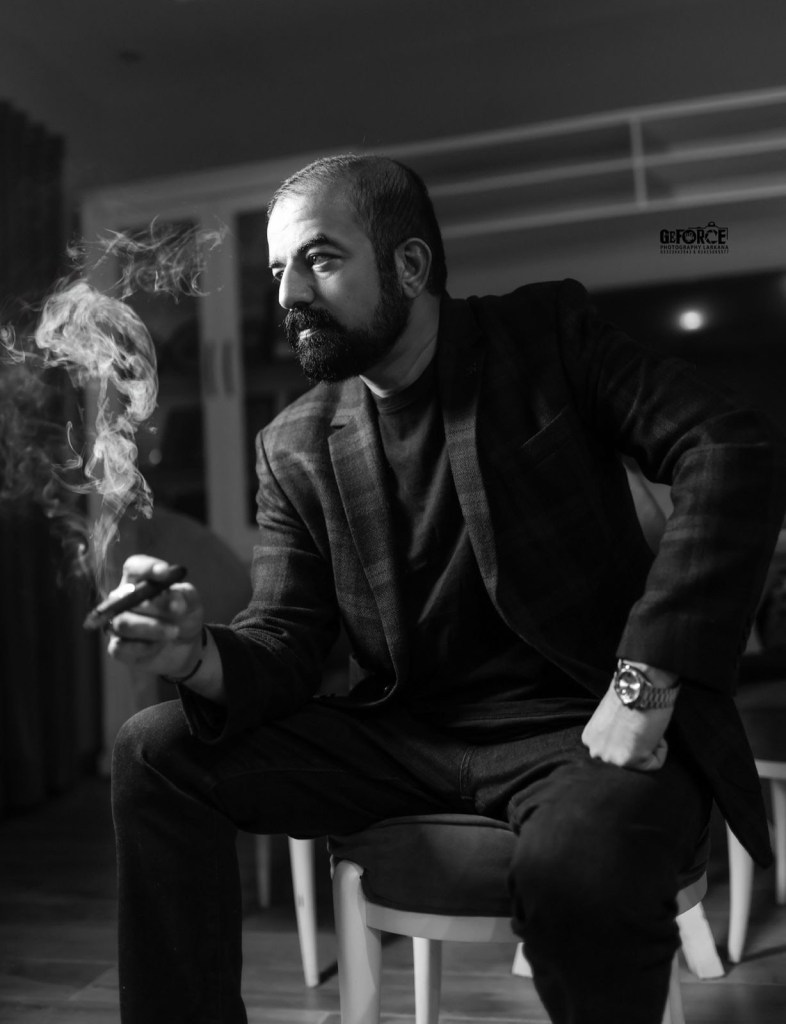


 Vision-Vista of JJ Baloch