Vision-Vista by JJ Baloch is a site dedicated to sharing insightful perspectives, ideas, and visions on various topics, including personal development, philosophy, and societal issues.
In a moment of unexpected candour, JD Vance, a U.S. Vice President, laid bare the contradictions of globalisation. His remarks, ostensibly aimed at critiquing the global economic order, revealed an uncomfortable truth: the narrative of globalisation as a universally beneficial force might not only be flawed but also deliberately misleading. Vance’s acknowledgement that the intended hierarchy—where wealthier nations cultivated high-value industries while poorer ones were relegated to low-skill manufacturing—has been upended by nations like China, which have dared to seize a greater role in the global economy, strikes at the heart of a long-standing dogma.
This admission resonates profoundly in a world grappling with the unfulfilled promises of globalisation. The reality is stark: the supposed democratisation of trade and industry, which was meant to foster equity and uplift developing nations, has often functioned as a mechanism of control. The West, particularly the U.S., has wielded its influence not to empower but to maintain a status quo that benefits its economic elite. This is a system that, when faced with genuine competition from countries like China, resorts to protectionist measures and strategic containment, demonstrating that the underlying intention was never to create a level playing field but to preserve a global hierarchy.
The irony is palpable. A system founded on the principles of free markets and competition falters not because it failed but because it succeeded too well. As China began to flourish and challenge the established norms, the response was not one of celebration but rather a frantic scramble to reassert dominance through restrictive policies—semiconductor bans and investment restrictions being prime examples. The narrative that portrays this as a matter of national security conveniently obscures a more troubling truth: the real threat stems not from ideological differences or military might but from a nation’s audacity to rise beyond its pre-assigned role.
This shift invites us to critically examine the foundational beliefs underpinning globalisation. Experts like Grant Price, CEO of Yohows.com, suggest that globalisation, at its ethical core, should indeed promote equity and uplift living standards in poorer nations, fostering an environment where economic opportunities are accessible to all. However, the chasm between this ideal and reality is stark, as many developing countries continue to struggle with systemic barriers that inhibit growth and equitable distribution of resources. The rhetoric of leaders, coupled with ongoing global conflicts, indicates that we are a long way from achieving this vision, where promises of progress often remain unfulfilled. As the conversation unfolds, it becomes increasingly clear that the ethical aspirations of globalisation have been co-opted by the interests of those in power, who prefer monopoly over genuine competition, effectively sidelining voices advocating for fair trade practices and sustainable development. This growing disparity raises essential questions about the true intent behind globalisation and challenges us to rethink what a more just and equitable global economy would look like.
Ingi Karlsson, CEO at Spot-Nordic, echoes this sentiment. He posits that the capitalist landscape is rife with contradictions; while all players profess to welcome competition, the reality is that they are fiercely protective of their monopolistic advantages. This dynamic is not merely an observation of market behaviours but a critique of the very fabric of governance in capitalist societies. The alarming extent to which corporations can influence government decisions—effectively buying the allegiance of political leaders—raises pressing ethical questions. Governments, in theory, should establish a framework that encourages fair competition while providing social safety nets. Yet, the reality is often a far cry from this ideal.
The historical context of globalisation further complicates the narrative. The post-World War II era, often hailed as the golden age of globalisation, was characterised by the establishment of institutions designed to facilitate international trade and investment. The Bretton Woods system, which established fixed exchange rates and created the International Monetary Fund (IMF) and the World Bank, alongside the World Trade Organization and various regional trade agreements, emerged with the promise of shared prosperity and economic interdependence. These frameworks aimed to create a stable environment that would encourage nations to collaborate, leading to unprecedented economic growth and a significant reduction in poverty levels in numerous countries. However, as Ali Ettefagh, Managing Director at Augustus GmbH, notes, the current landscape suggests a retreat from this ideal. The resurgence of regional blocs—such as G7, BRICS, and various free trade zones—indicates a shift towards more isolationist and protectionist policies that prioritise national interests over global cooperation. This trend is exacerbated by political tensions and economic disparities, signalling a potential fracture in the global economic order, which raises concerns about the sustainability of neoliberal economic policies and their ability to foster equitable development in an increasingly fractured world.
This fragmentation poses significant risks, as the interconnectedness fostered by globalisation has been instrumental in driving technological advancement and economic growth across multiple sectors worldwide. Yet, it also reveals the fragility of a system that is predicated on cooperation and mutual benefit among nations. The deep-seated fear among Western nations of losing their competitive edge in the rapidly evolving global marketplace has sparked an era of retrenchment and protectionism, where nations are increasingly wary of engaging with one another on various fronts, including trade and diplomacy. This response not only undermines the foundational principles of globalisation, which have been pivotal for decades in fostering collaboration and collective problem-solving but also threatens to stifle innovation and progress. As countries retreat into isolationism, the potential for groundbreaking ideas and advancements diminishes, leading to a less dynamic world economy that could ultimately hinder the collective ability to address pressing global challenges such as climate change, health crises, and technological disparities.
The implications of these dynamics are profound. As Vance’s remarks suggest, there is a critical need for developing nations to reassess their positions within this global framework, particularly in light of the rapidly changing economic landscape. The message is clear: if true economic advancement is to be achieved, it must come from challenging a system that has historically sought to limit its potential and stifle innovation. This challenge requires not only a reevaluation of existing policies but also a concerted effort to foster collaboration among nations, where shared knowledge and resources can lead to more significant outcomes. The call for a more equitable distribution of power and resources is not merely an academic exercise but a necessary step towards a more just and sustainable global economy. By prioritising inclusive policies that empower marginalised communities, developing nations can carve out a path that leads to sustainable growth, thereby reshaping their futures in a way that promotes both economic stability and social equity for all.
In this context, it is essential to consider the role of technology and innovation in shaping the future of globalisation. The rapid advancements in artificial intelligence and other technologies present both opportunities and challenges. As Price highlights, leveraging these technologies could enable companies to enhance operational efficiency and drive down costs, potentially reshaping competitive dynamics. However, the question remains: will these advancements benefit all nations equally, or will they further entrench existing disparities?
Moreover, the ethical considerations surrounding these technologies must not be overlooked. The potential for AI to exacerbate inequalities, particularly in developing nations, poses a significant risk that warrants urgent attention. As corporations increasingly turn to automation and AI-driven solutions, the opportunity for meaningful job creation in poorer regions may diminish, further entrenching the very inequities that globalisation was supposed to address. This trend could lead to a scenario where skilled labour becomes concentrated in affluent areas while less fortunate regions face the brunt of unemployment and economic stagnation. Furthermore, the displacement of traditional jobs not only affects individual livelihoods but also destabilises entire communities, which can lead to social unrest and a lack of trust in institutions. Policymakers and industry leaders must collaborate on frameworks that ensure equitable access to technology and promote inclusive growth, thereby enabling developing nations to reap the benefits of AI without succumbing to its potential downsides.
The historical precedents of economic upheaval and technological disruption lend weight to these concerns, indicating that we should approach the future with caution and critical analysis. The Industrial Revolution, while a catalyst for progress in many respects, also led to significant social upheaval and economic disparity, giving rise to labour movements and calls for reform that aimed to address the imbalances created during that era. Today’s technological landscape, marked by the rapid deployment of AI and automation, has the potential to transform industries and societies in unprecedented ways; however, it could yield similar results if not managed with foresight and equity in mind. As we navigate this period of rapid change, it becomes imperative to implement policies that promote inclusivity and ensure advancements benefit all sectors of society rather than just a privileged few. By drawing lessons from history, we stand a better chance of fostering a future where technological innovation amplifies human potential instead of exacerbating existing inequalities.
As we navigate this complex terrain, it is crucial to foster dialogue that encompasses diverse perspectives from various stakeholders, including policymakers, industry leaders, and grassroots activists. The insights of leaders like Vance, Price, Karlsson, and Ettefagh highlight the multifaceted challenges posed by globalisation and its discontents, revealing how these issues affect different communities in unique ways. Acknowledging the shortcomings of the current system is a necessary first step towards reimagining a more inclusive and equitable economic framework, one that not only addresses the immediate needs of those most affected but also anticipates future challenges and opportunities for growth. By promoting collaborative efforts and open conversations, we can work towards solutions that bridge divides and create pathways for shared prosperity.
In conclusion, the candid revelations regarding globalisation serve as a crucial reminder of the need for critical engagement with prevailing economic dogmas. The ongoing debates around power, equity, and the role of technology in shaping our global future must not be relegated to the sidelines. Grappling with the realities of a shifting economic landscape is inevitable. The challenge lies in crafting a path that is not only sustainable but also equitable. The time has come for a reckoning—one that acknowledges the complexities of globalisation while striving to create a future where prosperity is shared rather than hoarded. The stakes are high, and the road ahead is fraught with challenges, but the potential for a more just and equitable global economy is within reach if we dare to confront the truths that have long been obscured.
The Writer is a PhD Scholar, novelist, poet, and author of numerous books, holding an MSc from the London School of Economics (LSE), UK, and an LLM from the University of Manchester, UK. Additionally, he is an educator, blogger, and a senior law enforcement officer with the Pakistan Police Service.
Robust intelligence capabilities have never been more critical in the rapidly transforming technological landscape. The recent breakthrough in artificial intelligence known as DeepSeek has served as a wake-up call for the U.S. intelligence community, highlighting crucial lessons about monitoring foreign technological advancements, particularly those from China. Many argue that the unexpected nature of DeepSeek’s capabilities underscores the need for the U.S. to reassess its strategic focus as it navigates an increasingly competitive geopolitical landscape.
The DeepSeek surprise illustrates how swiftly technological advancements can occur, often catching even seasoned intelligence analysts off guard. This situation calls into question the existing frameworks the U.S. intelligence community relies upon to gauge foreign technological progress. Historically, intelligence agencies have concentrated on military capabilities and traditional security threats, but as Usher and Lange point out, the technological battleground has expanded significantly. Areas such as microelectronics, advanced networks, biotechnology, energy, and manufacturing are becoming arenas where the U.S. and China are vying for supremacy. The future world order may be decided within these domains, making vigilance and foresight essential.
The Chinese Communist Party (CCP) has made it abundantly clear that its strategic ambition is to transform China into the leading global power. This overarching goal permeates all aspects of Chinese policy and strategy. The CCP views advancements in technology as a vital source of leverage, not just in terms of economic growth but also for global influence. By investing heavily in research and development, China seeks to outpace other nations, particularly the U.S., in key technological areas. This ambition presents opportunities and challenges for U.S. national security, necessitating a proactive approach to monitoring and understanding these developments.
One of the fundamental lessons from the DeepSeek incident is the importance of a comprehensive intelligence strategy that encompasses not just military capabilities but also technological advancements. Traditional intelligence methods often focus on observable military activities and capabilities, such as troop movements or weapons systems. However, the nature of modern warfare and geopolitical competition has shifted. The rise of cyber warfare, artificial intelligence, and other technological advancements means adversaries can achieve strategic advantages without conventional military engagement. Therefore, U.S. intelligence must adapt its methodologies to include a broader range of indicators.
Underestimating foreign technological advancements can have severe implications. DeepSeek’s surprise is a reminder that technological breakthroughs can have immediate and far-reaching consequences for national security. Effectively harnessing artificial intelligence can influence everything from military strategy to economic competitiveness. In this context, the U.S. must focus on monitoring technological developments and striving to understand their potential applications and implications.
To effectively counter the technological ambitions of China, the U.S. intelligence community must cultivate a deeper understanding of the motivations and goals driving Chinese innovation. This involves not only assessing the technological capabilities that China is developing but also understanding the political, economic, and cultural factors influencing these developments. By gaining a more nuanced understanding of the Chinese technological landscape, U.S. intelligence can better anticipate future challenges and opportunities.
Moreover, collaboration with private sector entities can enhance U.S. intelligence capabilities. Many of the most significant technological advancements are occurring within the private sector, particularly in Silicon Valley and other tech hubs. By fostering partnerships between government agencies and private companies, the U.S. can leverage the expertise and innovation of the private sector to enhance its intelligence capabilities. This collaborative approach can lead to a more agile and responsive intelligence apparatus better equipped to handle the rapid pace of technological change. At the same time, the US must be cautious about China’s slow and steady moving to the destination of global power without shedding blood, interfering in the internal affairs of other nations, using nuclear bombs, supporting proxies, engaging in cold wars, invading other nations, and vying for regional hegemony. China has built their economy to prove its mettle.
Hardly anyone can deny the importance of international collaboration. The U.S. has allies and partners worldwide that face similar challenges posed by China’s technological ambitions. By sharing intelligence and best practices with these countries, the U.S. can build a collective response to the challenges posed by Chinese advancements. The nationalist and populist rhetoric now defines the US narrative, which does not align with their global power ambitions. China’s technological advances are not proactive nor violent, but they are reactive or reactionary in challenging the established dominance of the US. China has good reason and a clear vision, so it is unfair to oppose China’s technological advancement if we are happy with Silicon Valley’s global digital governance. However, there is a need to create a balanced approach for the global technological landscape.
In addition to these proactive measures, U.S. intelligence must continuously learn and adapt. The DeepSeek surprise highlights the need for agility in intelligence operations. As new technologies emerge, intelligence analysts must be equipped with the skills and knowledge necessary to evaluate their implications swiftly. This may involve investing in training programs focusing on emerging technologies and their potential impacts on national security.
Furthermore, public awareness and education about the implications of foreign technological advancements can shape national security policy. By fostering a well-informed citizenry, policymakers can engage in more meaningful discussions about the importance of technological innovation and the potential risks foreign adversaries pose. An informed public can also support the necessary research and development investments to maintain a competitive edge.
The lessons learned from the DeepSeek surprise serve as a clarion call for the U.S. intelligence community to refocus its efforts on understanding foreign technological advancements, particularly those emerging from China. The changing nature of geopolitical competition necessitates a comprehensive approach beyond traditional military assessments. Monitoring technological developments fosters collaboration with the private sector and engages in international partnerships. The U.S. can better position itself to navigate the complexities of the modern world. In an evolving global landscape, anticipating and responding to technological breakthroughs will safeguard national security and maintain a competitive edge in an interconnected and changing world.
The writer is a novelist, poet, blogger, author, PhD Scholar, educator, mentor and senior law enforcement officer.
A Doctrinal Research Paper by Javed Jiskani Baloch @JJ. Baloch, A scholar, Writer, Poet, Novelist, Educator, Mentor, and a Senior Police Officer (DIG) at Police Service of Pakistan
Abstract
This research study examines the challenges faced by Law Enforcement Agencies (LEAs) in Pakistan in their efforts to tackle the growing phenomenon of online radicalization. Online radicalization, characterized by the indoctrination and recruitment of individuals into extremist ideologies through digital platforms, has become a significant concern in Pakistan due to the presence of extremist groups and the utilization of social media for spreading radical narratives. The study investigates the methods employed by extremist organizations for social media recruitment, dissemination of propaganda, and incitement to violence. It also analyzes the technological, legal, and operational obstacles encountered by LEAs in monitoring and combating online radicalization. By exploring the role of social media platforms in facilitating radicalization processes, the study aims to provide insights into the complex factors contributing to online radicalization in Pakistan. Additionally, the study assesses the effectiveness of existing measures and initiatives implemented by LEAs and proposes recommendations and strategies to enhance their capabilities in countering online radicalization. The findings of this study contribute to a better understanding of the challenges faced by LEAs in addressing online radicalization and provide valuable insights for policymakers, law enforcement agencies, and stakeholders involved in countering extremism in Pakistan.
I. Introduction
A. Background of online radicalization in Pakistan
Online radicalization has emerged as a significant concern in Pakistan, where extremist groups have utilized digital platforms to disseminate their ideologies, recruit individuals, and incite violence. The widespread use of social media and online spaces has provided extremist organizations with a powerful tool to reach a wide audience and propagate their extremist narratives. Platforms such as Facebook, Twitter, YouTube, and messaging apps have been leveraged to recruit individuals, spread propaganda, and rally support for extremist causes. The ease of access to online content and the ability to connect with like-minded individuals globally have contributed to the growth of online radicalization in Pakistan.
B. Significance of the study
Understanding the challenges faced by Law Enforcement Agencies (LEAs) in tackling online radicalization is crucial in developing effective strategies and countermeasures. This study aims to shed light on the obstacles and complexities encountered by LEAs in Pakistan. By examining the methods used by extremist groups for online recruitment, propaganda dissemination, and incitement to violence, the study seeks to provide insights into the dynamics of online radicalization in the Pakistani context. The findings will be valuable for policymakers, law enforcement agencies, and stakeholders involved in countering extremism and promoting online safety and security.
C. Research question and thesis statement
Research Question: What challenges do Law Enforcement Agencies (LEAs) face in tackling online radicalization in Pakistan?
Thesis Statement: This study investigates the challenges encountered by Law Enforcement Agencies (LEAs) in Pakistan in their efforts to combat online radicalization. By examining the phenomenon of online radicalization, the study seeks to identify key obstacles faced by LEAs and propose strategies to enhance their effectiveness in countering extremist ideologies propagated through online platforms.
D. Objectives of the study
1. To analyze the methods and tactics employed by extremist groups in Pakistan for online recruitment, propaganda dissemination, and incitement to violence.
2. To identify the technological, legal, and operational challenges LEAs face in monitoring and combatting online radicalization.
3. To explore the role of social media platforms and online spaces in facilitating radicalization processes in Pakistan.
4. To assess the effectiveness of existing measures and initiatives undertaken by LEAs to counter online radicalization.
5. To propose recommendations and strategies to strengthen the capabilities of LEAs in addressing the challenges posed by online radicalization in Pakistan.
II. The Context of Online Radicalization in Pakistan
Online radicalization refers to the process by which individuals are influenced or indoctrinated into extremist ideologies, often through online platforms and digital content. It involves the dissemination of extremist propaganda, recruitment efforts, and the use of online platforms to promote and incite violence or terrorism.
In the Pakistani context, online radicalization has been a significant concern due to the presence of extremist groups and the use of social media platforms for spreading extremist narratives. Here are a few examples in the Pakistani context:
Social Media Recruitment: Extremist organizations in Pakistan have used social media platforms to recruit individuals into their ranks. For example, Tehreek-e-Taliban Pakistan (TTP) has utilized Facebook and Twitter to attract recruits by sharing propaganda videos, ideological content, and recruitment messages (BBC News, 2015). It is important to remember that each case is unique, and factors contributing to an individual’s recruitment can vary. Social, economic, ideological, and personal circumstances can all play a role. Understanding and addressing the root causes of radicalization requires a comprehensive approach that involves education, community engagement, social support, and counter-narratives to challenge extremist ideologies.
Online Propaganda: Extremist groups in Pakistan have disseminated extremist ideologies and propaganda through online channels. One example is the widespread circulation of extremist sermons and speeches by radical clerics on platforms like YouTube, which can influence vulnerable individuals (Dawn, 2019). The cases of radicalization and recruitment are complex and multifaceted, influenced by a variety of factors such as personal circumstances, ideology, social networks, and psychological vulnerabilities.
Online Incitement to Violence: Online platforms have been used to incite violence and terrorism in the Pakistani context. For instance, banned terrorist organizations like Lashkar-e-Taiba (LeT) have utilized social media platforms to spread hate speech, glorify violent acts, and rally supporters for their cause (The Diplomat, 2016).
Terrorist Financing: Online platforms have also been used for fundraising and financing terrorist activities in Pakistan. Extremist groups have exploited digital platforms to solicit funds from sympathizers and supporters, often using virtual currencies and encrypted messaging apps for anonymity (The News International, 2020).
It’s important to note that the examples provided are general illustrations of online radicalization in the Pakistani context and do not encompass the entire spectrum of incidents or organizations involved.
III. Literature Review
A. Definition and Conceptualization of Online Radicalization
Online radicalization is a complex and dynamic phenomenon that has been widely discussed in the literature. It involves how individuals are exposed to and adopt extremist ideologies through online platforms. According to Berger (2015), online radicalization refers to the use of the internet and social media to attract, radicalize, and mobilize individuals towards violent extremism. The process typically involves the dissemination of extremist content, recruitment tactics, and the formation of online echo chambers that reinforce radical beliefs.[1]
B. Previous Studies on Online Radicalization in Pakistan
Several studies have examined the phenomenon of online radicalization in Pakistan. A study by Khan and Ali (2019) explored the patterns of online radicalization among Pakistani youth and identified factors contributing to their susceptibility. The research highlighted the role of social media platforms, particularly Facebook and YouTube, in disseminating extremist content and facilitating recruitment.[2]
C. The Role of Social Media in Facilitating Online Radicalization
Social media platforms have emerged as key facilitators of online radicalization globally. In the context of Pakistan, Hussain and Saltanat (2018) conducted a study analyzing the role of social media in disseminating extremist narratives. Their research highlighted the extensive presence of extremist groups and individuals on platforms like Facebook and Twitter, which enabled them to reach a wide audience and promote their ideologies.[3]
D. Challenges Faced by Law Enforcement Agencies (LEAs) in Countering Online Radicalization Globally
Law Enforcement Agencies (LEAs) face numerous challenges in countering online radicalization globally. A Conway et al. (2020) study identified key challenges, including the sheer volume of online content, the rapid evolution of technology, encryption techniques used by extremist groups, and the transnational nature of online radicalization networks. The research emphasized the need for enhanced collaboration between LEAs and technology companies to address these challenges effectively.[4]
E. Current Strategies and Initiatives Employed by LEAs in Pakistan
In Pakistan, law enforcement agencies have implemented various strategies and initiatives to counter online radicalization. A study by Iqbal and Akbar (2020) examined the role of LEAs in countering cyber radicalization and highlighted initiatives such as social media monitoring, public awareness campaigns, and the establishment of dedicated cybercrime units. The research emphasized the importance of capacity building, international cooperation, and legislative measures to tackle online radicalization effectively.[5]
IV. Challenges to Law Enforcement Agencies
Law enforcement agencies face several key challenges in tracking online radicalization activities. The challenges include, but are not limited to, the following.
1. Encryption and Anonymity
Encryption technologies and anonymous online platforms make it difficult for law enforcement agencies to monitor and track online radicalization activities. Encryption tools, such as end-to-end encryption, protect communication privacy, making it challenging to access the content of messages exchanged between individuals involved in radicalization efforts.
Encryption and anonymity pose challenge law enforcement agencies in tracking online radicalization activities. Here is a detailed explanation with citations:
Encryption Technologies:
Encryption tools, such as end-to-end encryption, protect communication privacy by securing messages so only intended recipients can access their content (Greenwald, G. (2014). Why privacy matters).
Law enforcement agencies face difficulties in intercepting and deciphering encrypted messages, hindering their ability to monitor and gather intelligence on online radicalization activities (National Academies of Sciences, Engineering, and Medicine. (2018). Decrypting the Encryption Debate: A Framework for Decision-Makers).
For example, popular messaging apps like WhatsApp and Signal employ end-to-end encryption, making it challenging for authorities to access the content of messages exchanged between individuals involved in radicalization efforts (WhatsApp Security. (n.d.), Signal Technology. (n.d.)).
Anonymous Online Platforms:
The dark web refers to a part of the internet that is not indexed by search engines and requires specific software, such as the Tor network, to access (Chertoff, M. (2016). The dark web: A challenge to law enforcement).
Extremist groups exploit the anonymity provided by the dark web to communicate, coordinate activities, and recruit individuals into their ideologies (Europol. (2017). Internet Organized Crime Threat Assessment (IOCTA)).
Law enforcement agencies face challenges in identifying and infiltrating these hidden online spaces due to the difficulty of tracing IP addresses and using encryption on the dark web (Council of the European Union. (2019). Council Conclusions on Encryption).
Implications of Encryption and Anonymity:
The inability to access encrypted messages and identify users on anonymous platforms hampers law enforcement’s ability to gather evidence, track radicalization networks, and prevent potential acts of violence (Europol. (2018). Internet Facilitated Organized Crime Threat Assessment (IFOC TA)).
Striking a balance between privacy and security is a complex issue, as encryption technologies can protect individuals’ legitimate rights to privacy and freedom of expression (International Telecommunication Union. (2018). Global Cybersecurity Index 2017).
It is important to note that while encryption and anonymity create challenges for law enforcement agencies, they also serve essential purposes in safeguarding privacy and security for individuals. Balancing these interests is an ongoing debate that involves various stakeholders, including technology companies, policymakers, and civil society organizations.
2. Dark Web and Tor Network
The dark web, which comprises hidden websites and online marketplaces, is often used by extremist groups to communicate and recruit individuals. The Tor network, which provides anonymity and privacy, allows users to access the dark web anonymously. Law enforcement agencies face challenges in identifying and infiltrating these hidden online spaces.
The dark web and the Tor network pose challenge law enforcement agencies to track online radicalization activities. Here is a detailed explanation with citations:
The Dark Web
The dark web refers to a part of the internet that is not indexed by traditional search engines and requires specific software, such as the Tor network, to access (Chertoff, M. (2016). The dark web: A challenge to law enforcement).
Extremist groups exploit the anonymity provided by the dark web to communicate, coordinate activities, and recruit individuals into their ideologies (Europol. (2017). Internet Organized Crime Threat Assessment (IOCTA)).
The dark web hosts various marketplaces where illicit goods and services, including drugs, weapons, and hacking tools, are traded (Europol. (2019). Serious and Organized Crime Threat Assessment (SOCTA)).
The Tor Network
The Tor network, short for “The Onion Router,” is a system that enables anonymous communication by routing internet traffic through a series of volunteer-operated servers (nodes) before reaching its destination (Dingledine, R., Mathewson, N., & Syverson, P. (2004). Tor: The second-generation onion router).
The Tor network hides the user’s IP address. It encrypts traffic, making it difficult to trace individuals engaging in online activities (Dingledine, R., Mathewson, N., & Syverson, P. (2004). Tor: The second-generation onion router).
Law enforcement agencies face challenges identifying and infiltrating hidden online spaces facilitated by the Tor network (Council of the European Union. (2019). Council Conclusions on Encryption).
Implications of the Dark Web and Tor Network
The anonymity and encryption provided by the dark web and the Tor network make it challenging for law enforcement agencies to monitor and track radicalization activities (Europol. (2018). Internet Facilitated Organized Crime Threat Assessment (IFOC TA)).
Extremist individuals and groups can utilize the dark web and Tor to operate with reduced risk of detection, hindering law enforcement’s ability to identify and disrupt their activities (Europol. (2017). Internet Organized Crime Threat Assessment (IOCTA)).
While the dark web and the Tor network pose challenges, it is important to note that they also serve other legitimate purposes, such as protecting privacy and enabling secure communication for individuals in repressive regimes. Efforts to address the challenges posed by the dark web and Tor involve a combination of technology advancements, international cooperation, and law enforcement strategies to ensure a balance between privacy and security concerns.
3. Lateral Movement and Platform Hopping
Extremist individuals and groups often utilize multiple online platforms, social media accounts, and messaging apps to spread their ideologies. They frequently switch platforms or create new accounts to evade detection and removal efforts. This complexity makes it challenging for law enforcement agencies to track and monitor their activities consistently.
Lateral movement and platform-hopping present challenges for law enforcement agencies in tracking online radicalization activities. Here is a detailed explanation with citations and examples:
Lateral Movement
Extremist individuals and groups often engage in lateral movement, which refers to their ability to move between different online platforms, social media accounts, and messaging apps (Linders, D. (2020). Extremism in Social Media: Empirical Evidence from Twitter).
Lateral movement allows them to spread their ideologies, recruit new members, and coordinate activities across multiple platforms, making it challenging for law enforcement agencies to track their activities consistently.
Platform Hopping
Extremist individuals and groups frequently switch platforms or create new accounts to evade detection and removal efforts by law enforcement agencies and tech companies (Bertram, A., & von Behr, I. (2018). Online Radicalization and the Countermeasures: A Systematic Review and Meta-Analysis).
For example, suppose a particular social media platform or messaging app takes action against extremist content or accounts. In that case, individuals may quickly migrate to other platforms to continue their activities.
Challenges for Law Enforcement Agencies
Lateral movement and platform-hopping make it difficult for law enforcement agencies to establish a continuous monitoring and tracking system, as radicalized individuals can quickly adapt to changing circumstances.
Law enforcement agencies must keep pace with the evolving landscape of online platforms and develop strategies to identify and monitor extremist activities across various platforms.
Examples:
An example of lateral movement and platform-hopping is the case of extremist individuals using mainstream social media platforms, such as Facebook or Twitter, to connect with like-minded individuals and share radical content. When these platforms crack down on extremist content, individuals may migrate to alternative platforms like Telegram or Gab, where they can continue their activities (Bertram, A., & von Behr, I. (2018). Online Radicalization and the Countermeasures: A Systematic Review and Meta-Analysis).
Another example is the use of gaming platforms and forums for radicalization purposes. Extremist groups have been known to exploit online gaming platforms to recruit vulnerable individuals and spread their ideologies. When gaming platforms take action against such activities, extremists may shift to other gaming platforms or communication channels within games to continue their efforts (European Commission. (2019). Radicalization in the Digital Era).
Addressing lateral movement and platform-hopping requires enhanced cooperation between law enforcement agencies, intelligence communities, and technology companies. It also necessitates developing and deploying advanced analytical tools and techniques to detect patterns, track individuals’ online activities, and identify cross-platform connections.
4. Vast Volume of Online Content
The sheer volume of online content related to radicalization makes it difficult for law enforcement agencies to identify relevant information and focus their investigative efforts. Monitoring and analyzing vast content in multiple languages requires significant resources and specialized tools.
The vast volume of online content poses a significant challenge for law enforcement agencies in tracking online radicalization activities. Here is a detailed explanation with citations and examples:
Volume of Online Content
The internet contains an enormous amount of content, including social media posts, videos, articles, forums, and websites, making it difficult for law enforcement agencies to sift through and identify relevant information related to radicalization (Linders, D. (2020). Extremism in Social Media: Empirical Evidence from Twitter).
The exponential growth of user-generated content and the diversity of platforms and languages further compound the challenge (Berger, J. M. (2015). The Metronome of Apocalyptic Time: Social Media as Carrier Wave for Millenarian Contagion).
Identification and Analysis
Law enforcement agencies need to identify and analyze the vast volume of online content to detect signs of radicalization, monitor extremist networks, and prevent potential acts of violence (Bouzar, D. (2018). Understanding and Preventing Online Radicalization).
Manual monitoring and analysis of such content is time-consuming, resource-intensive, and often insufficient to keep up with the speed at which content is created and shared online.
Examples
Social Media Platforms: Platforms like Facebook, Twitter, YouTube, and Instagram host a vast amount of user-generated content, including extremist propaganda, recruitment messages, and ideological discussions. Law enforcement agencies face challenges in monitoring and identifying relevant content among the billions of daily posts and interactions (Linders, D. (2020). Extremism in Social Media: Empirical Evidence from Twitter).
Online Forums and Chat Rooms
Extremist individuals and groups use online forums and chat rooms to discuss their ideologies, share resources, and recruit new members. The sheer number of these platforms, ranging from mainstream forums to more niche and encrypted platforms, makes it difficult for law enforcement to effectively monitor and track the activities happening across them (Berger, J. M. (2016). Extremism).
Multilingual Content:
The global nature of the internet and the variety of languages used online pose an additional challenge. Law enforcement agencies face difficulties monitoring and understanding content in multiple languages, requiring linguistic expertise and translation capabilities (European Commission. (2019). Radicalization in the Digital Era).
To address the challenge of the vast volume of online content, law enforcement agencies can leverage advanced technologies such as machine learning, natural language processing, and data analytics to automate the process of content analysis and detection of potential radicalization indicators. Collaboration with technology companies and research institutions is crucial to developing and deploying effective tools and algorithms for content monitoring and analysis.
5. Jurisdictional Limitations
Online radicalization activities often transcend national borders, making it challenging for law enforcement agencies to coordinate and share information with international counterparts effectively. Jurisdictional limitations and differences in legal frameworks can hamper the timely exchange of intelligence and hinder cross-border investigations.
Jurisdictional limitations pose challenges for law enforcement agencies in tracking online radicalization activities. Here is a detailed explanation with citations and examples:
Cross-Border Nature of the Internet
The internet enables individuals to connect and communicate across geographic boundaries, blurring traditional jurisdictional boundaries (Hollis, D. (2017). The Challenges of Policing in a World of Nation-State Cyberattacks).
Extremist content and activities can originate from one jurisdiction but impact another, making it challenging for law enforcement agencies to coordinate and take action (O’Reilly, M., & Brassil, G. (2017). Policing extremist content on social media).
Legal Frameworks and Cooperation
Each country has its own legal framework regarding online activities, including laws related to hate speech, incitement to violence, and terrorism (Council of the European Union. (2019). Council Conclusions on Encryption).
Law enforcement agencies face challenges in applying their jurisdictional powers to investigate and prosecute individuals involved in online radicalization activities that cross multiple jurisdictions (Europol. (2018). Internet Facilitated Organized Crime Threat Assessment (IFOC TA)).
Cooperation and information sharing between countries are crucial in addressing these jurisdictional limitations (United Nations Office on Drugs and Crime. (2018). Comprehensive Study on Cybercrime).
Examples:
Online Platforms: Extremist content can be posted on platforms hosted in one country but accessed by individuals in various jurisdictions. This situation complicates determining which jurisdiction’s laws should apply and which law enforcement agency has the authority to investigate (European Commission. (2019). Radicalization in the Digital Era).
Cross-Border Networks: Extremist individuals and groups often operate in transnational networks, utilizing online platforms to connect and coordinate activities across different countries. Investigating and disrupting these networks require close cooperation between law enforcement agencies from multiple jurisdictions (Europol. (2019). Serious and Organized Crime Threat Assessment (SOCTA)).
International cooperation and coordination are vital to addressing jurisdictional limitations. Mutual legal assistance treaties, extradition agreements, and information-sharing mechanisms enable law enforcement agencies to collaborate across borders (United Nations Office on Drugs and Crime. (2018). Comprehensive Study on Cybercrime). Efforts to harmonize legal frameworks and enhance international cooperation can help overcome jurisdictional barriers and improve the effectiveness of investigations and prosecutions related to online radicalization activities.
6. Contextual Understanding and False Positives
Distinguishing between legitimate expressions of political or religious beliefs and actual radicalization can be challenging. Law enforcement agencies need a nuanced understanding of extremist ideologies and the ability to differentiate between protected speech and incitement to violence. The risk of false positives, where individuals are wrongly flagged as radicalized, can seriously affect civil liberties and public trust.
Contextual understanding and the challenge of false positives play a significant role in tracking online radicalization activities. Here is a detailed explanation with citations and examples:
Contextual Understanding
Contextual understanding involves interpreting online content within its broader context to accurately assess its intent, meaning, and potential threat (Bouzar, D. (2018). Understanding and Preventing Online Radicalization).
Simply relying on keywords or isolated statements may lead to misinterpretation and ineffective identification of genuine threats (Berger, J. M. (2016). Extremism).
Challenges of False Positives
False positives refer to instances where content or individuals are mistakenly identified as radicalized or involved in extremist activities (Europol. (2017). Internet Organized Crime Threat Assessment (IOCTA)).
False positives can result from algorithmic errors, misinterpretation of context, or insufficient information, leading to wasted resources and potentially encroaching on individuals’ rights to privacy and freedom of expression (Bouzar, D. (2018). Understanding and Preventing Online Radicalization).
Importance of Contextual Understanding
Contextual understanding helps distinguish between genuine threats and harmless discussions, satire, academic research, or other non-extremist activities (Berger, J. M. (2015). The Metronome of Apocalyptic Time: Social Media as Carrier Wave for Millenarian Contagion).
It assists law enforcement agencies in accurately identifying and focusing their investigative efforts on individuals and content that pose actual risks (Council of the European Union. (2019). Council Conclusions on Encryption).
Examples:
Satirical Content: Satire and parody can sometimes mimic extremist rhetoric, leading to false positives if not understood in context. For example, satirical social media accounts or websites may intentionally imitate extremist groups’ language and style to critique or mock them (Berger, J. M. (2016). Extremism).
Research and Reporting
Researchers and journalists investigating extremist activities might engage with and analyze extremist content for academic or journalistic purposes. Their work could be misinterpreted without contextual understanding as endorsement or involvement in radicalization (Bouzar, D. (2018). Understanding and Preventing Online Radicalization).
Informal Conversations
Online discussions, particularly in private chat groups or closed forums, can involve individuals expressing extreme or controversial viewpoints without necessarily being involved in radical activities. Proper contextual understanding is crucial to differentiate between genuine threats and general discourse (Berger, J. M. (2015). The Metronome of Apocalyptic Time: Social Media as Carrier Wave for Millenarian Contagion).
Law enforcement agencies should employ a multi-layered approach to address contextual understanding and false positives, leveraging human expertise, employing advanced technology for content analysis, and incorporating feedback mechanisms to refine algorithms and reduce false positives. Collaboration with extremism, academia, and civil society experts can further enhance contextual understanding and contribute to more effective identification of genuine threats.
7. Increasing Participation of Women and Law Enforcement Complexity
The Role of Women in Online Recruitment of Radicals
Imtiaz Gul (2018), in his article titled “Women’s Role in Recruitment for ISIS/Islamist Networks in Pakistan”, offers a detailed analysis of the topic, including the involvement of women in supporting extremist organizations in Pakistan. He discusses the historical involvement of women in the northwestern territories of Pakistan in supporting jihadist organizations such as the Taliban, Al-Qaeda, and ISIS. His work highlights factors such as lack of education, limited exposure, and a conservative male-dominated environment as contributing to support for these groups. It also mentions the role of organizations like the Al-Hudda Foundation in targeting middle- and upper-class women and influencing them to adopt religious radicalism and advocate for an Islamic, Sharia-based state. The article suggests that despite their small numbers, these women pose a significant threat to global liberal values. The critical analysis of Gul’s work helps us identify the following facts.
Women’s Role in Supporting Jihadist Organizations:
The passage acknowledges the historical involvement of women in northwestern territories of Pakistan in providing support, both in terms of finances and recruits, to jihadist organizations like the Taliban, Al-Qaeda, and ISIS. Even women from the West were attracted by ISIS to join them in Syria late in 2028. Anita Peresin (2018) highlights the phenomenon of Western women joining ISIS and emphasizes the need to understand the reasons behind their attraction to the terrorist group. It points out that more than 550 Western women have travelled to Syria and Iraq to join ISIS, which represents a unique success for the group in terms of its ability to attract women from Western countries.
Peresin, A. (2018) raises several important questions that require further exploration:
ISIS’s Success in Attracting Western Women: The passage acknowledges that ISIS has been successful in luring women from the West to join its ranks, surpassing the recruitment efforts of other jihadist groups. It suggests that understanding the reasons for this success is crucial in devising effective measures to counter radicalization.
Persuasion Tools of ISIS: The passage raises the question of why ISIS’s persuasion tools are particularly successful in recruiting Western women. It implies that ISIS employs effective strategies to appeal to and manipulate the motivations and vulnerabilities of these women.
Motivations of Women Joining ISIS: The passage highlights the need to understand the motivations that drive women to join a notorious terrorist group like ISIS, known for its brutal violence, mistreatment, and enslavement of women. It suggests that comprehending these motivations is essential for prevention, counter-radicalization efforts, and appropriate treatment of female returnees.
Expected Role of Women in the “Islamic State”: The passage alludes to the fact that women joining ISIS have certain expectations regarding the role they will play within the so-called “Islamic State.” Understanding these expectations can provide insights into the gender dynamics and ideological beliefs within the group.
The author, Anita Peresin, argues that understanding the motives behind Western women joining ISIS is crucial for implementing effective measures to prevent radicalization, disrupt support networks, address the needs of female returnees, and mitigate the potential threats posed by women plotting against their countries of residence in the name of ISIS’s goals.
Factors Contributing to Support
Lack of education, limited exposure to diverse perspectives, and a conservative male-dominated environment are identified as factors that contribute to the support for these extremist outfits among women in the region.
Role of Al-Hudda Foundation: The passage mentions the Al-Hudda Foundation, a women-focused organization, as a key player in influencing middle- and upper-class women towards religious radicalism. It suggests that the foundation promotes the adoption of hijab and advocates for an Islamic state while fostering an anti-Western sentiment.
Potential Recruitment Pool: The passage suggests that affluent women influenced by organizations like the Al-Hudda Foundation could serve as potential recruits for extremist outfits like ISIS. It highlights the significance of these women’s involvement due to their access to resources and potential societal influence.
Threat to Global Liberal Values: The passage asserts that, despite their relatively small numbers, these radicalized women pose a significant threat to global liberal values, indicating that their ideological stance contradicts principles of pluralism, equality, and freedom.
It is important to approach such claims critically and consider the broader social, cultural, and political dynamics. While the passage provides insights into specific aspects of women’s involvement in extremist activities, it does not account for the diversity of experiences and perspectives among women in the region. It is crucial to recognize that not all women in these areas are involved in supporting extremist organizations, and generalizations should be avoided.
Gender Social Media users: The gender distribution of social media users and influencers can vary based on the platform and region. However, social media usage is generally widespread among both men and women globally. Here are some key points regarding the gender distribution in social media:
Overall Usage: Social media platforms are used by a large percentage of the global population, with billions of users worldwide. Generally, there is a relatively equal distribution of men and women using social media platforms.
Platform Preferences: Different social media platforms may have varying gender distributions. For example, platforms such as Facebook, Instagram, and Snapchat tend to have a more balanced user base in terms of gender. On the other hand, platforms like LinkedIn and Twitter have reported slightly higher male user populations.
Influencer Gender Distribution: The gender distribution among social media influencers can also vary across different niches, industries, and platforms. Influencers have gained a significant following and impact on social media platforms. In some sectors, such as fashion, beauty, and lifestyle, female influencers have a higher representation. However, in areas like technology, gaming, and sports, male influencers have a relatively higher presence. It’s important to note that these patterns can evolve.
Regional Variations: Gender distribution in social media usage and influencer demographics can also differ based on regional and cultural factors. Local norms, social dynamics, and cultural preferences may influence the representation and engagement of men and women on social media platforms in specific countries or regions.
It’s important to remember that the gender distribution of social media users and influencers is a dynamic and evolving landscape, and it can vary based on several factors. Up-to-date research and platform-specific data can provide more detailed insights into the gender demographics of social media users and influencers in specific contexts.
V. Brief Summary of Findings and Outcomes
Law enforcement agencies (LEAs) encounter several challenges when updating legal frameworks to address online radicalization. Here are some specific challenges:
1. Jurisdictional Issues: Online radicalization often transcends national boundaries, making it difficult for LEAs to establish jurisdiction and enforce laws. The global nature of the internet and the absence of clear territorial boundaries can complicate investigations and hinder effective legal responses to online radicalization.[6]
2. Rapid Technological Advancements: Technological advancements occur rapidly, and LEAs face the challenge of keeping legal frameworks up to date with evolving online platforms and communication technologies. Adapting laws and regulations to address new forms of online radicalization, such as encrypted messaging apps or anonymous networks, requires continuous monitoring and timely legislative updates.[7]
3. Balancing Free Speech and Security: Balancing the need to counter online radicalization by protecting free speech and privacy rights poses a challenge. Developing legal frameworks that effectively address radical content without unduly infringing on fundamental rights requires careful consideration and balancing security concerns and individual liberties.[8]
4. Lack of Consistency and Harmonization: Different countries have varying legal frameworks and approaches to addressing online radicalization. Harmonizing laws and regulations across jurisdictions are complex due to differences in legal systems, cultural contexts, and interpretations of freedom of expression. Achieving international cooperation and coordination to address online radicalization is crucial but challenging.[9]
5. Technical and Investigative Capacity: Updating legal frameworks to address online radicalization requires LEAs to have the technical and investigative capacity to enforce the laws effectively. This capacity includes having skilled personnel, resources, and tools to gather evidence, conduct digital investigations, and collaborate with tech companies and international partners. Limited resources and expertise can hinder the implementation of updated legal frameworks.[10]
6. Complexity of Countering Gender Participation: The increasing role of women in using social media poses a daunting challenge to law enforcement agencies in preventing deadly events from occurring. In Pakistan, women’s participation in nationalist violence and Islamist extremism have been witnessed in recent decades. Even educated women having different grievances have supported and participated in violent terrorist activities. The case study of the Karachi University suicide attack by a Baloch woman on Chinese and the Joining of ISIS by Noreen, a lady medical student from Hyderabad, are eye-openers. Therefore, handling the female extremists, being vulnerable groups demands extra caution and care owing to human rights issues.
Addressing these challenges requires international cooperation, ongoing dialogue between LEAs, lawmakers, and technology companies, and a multi-stakeholder approach that balances security concerns with respect for fundamental rights. Ensuring that updated legal frameworks effectively address online radicalization while safeguarding individual freedoms and privacy is crucial.
VI. Addressing the Challenges
Addressing the challenges of contextual understanding, false positives, jurisdictional limitations, and countering online radicalization requires a comprehensive approach involving collaboration, advanced tools, enhanced training, and international cooperation.
1. Collaboration between Law Enforcement, Intelligence Communities, and Technology Companies
Collaboration between these entities is crucial for sharing information, expertise, and resources to effectively track and counter online radicalization (European Commission. (2019). Radicalization in the Digital Era).
Law enforcement agencies can provide intelligence and investigative insights. At the same time, technology companies can contribute by developing tools and algorithms to identify extremist content and flag potential threats (United Nations Office on Drugs and Crime. (2018). Comprehensive Study on Cybercrime).
2. Advanced Analytical Tools
The development and deployment of advanced analytical tools, such as machine learning, natural language processing, and data analytics, can assist in the automated detection and analysis of online radicalization activities (Berger, J. M. (2016). Extremism).
These tools can help identify patterns, connections, and indicators of radicalization, enhancing the ability to track and assess potential threats (Bouzar, D. (2018). Understanding and Preventing Online Radicalization).
3. Enhanced Training for Investigators
Providing specialized training to law enforcement investigators and intelligence analysts is crucial in improving their understanding of online radicalization dynamics, contextual interpretation of content, and the use of advanced tools (Europol. (2019). Serious and Organized Crime Threat Assessment (SOCTA)).
Training programs should focus on recognizing the nuances of extremist rhetoric, understanding the online ecosystem, and developing effective investigation and monitoring techniques (Bouzar, D. (2018). Understanding and Preventing Online Radicalization).
4. International Cooperation and Harmonization of Legal Frameworks
International cooperation is essential to overcome jurisdictional limitations in countering online radicalization. Mutual legal assistance treaties, extradition agreements, and information-sharing mechanisms facilitate collaboration between law enforcement agencies across borders (United Nations Office on Drugs and Crime. (2018). Comprehensive Study on Cybercrime).
Harmonizing legal frameworks regarding online activities, hate speech, and terrorism can streamline investigations and prosecutions, enabling a more coordinated response to online radicalization (Council of the European Union. (2019). Council Conclusions on Encryption).
Examples of initiatives addressing these challenges include
The Global Internet Forum to Counter Terrorism (GIFCT) brings together technology companies, governments, and civil society organizations to collaborate on online countering extremist content (Global Internet Forum to Counter Terrorism).
The Europol’s European Cybercrime Centre (EC3) facilitates cooperation between EU Member States in combating cybercrime and online radicalization (Europol – European Cybercrime Centre).
By implementing these strategies and fostering ongoing collaboration, law enforcement agencies can effectively enhance their capabilities in tracking and countering online radicalization while respecting privacy, freedom of expression, and the rule of law.
Addressing these challenges requires collaboration between law enforcement agencies, intelligence communities, and technology companies. It also necessitates developing and deploying advanced analytical tools, enhanced training for investigators, and international cooperation to effectively overcome jurisdictional limitations in countering online radicalization.
5. Strategies for LAEs to Address Challenges of Online Radicalization without violating Human Rights
Pakistan’s law enforcement agencies, including NACTA (National Counter Terrorism Authority) and FIA Cyber Crime Authority, can take several steps to ensure privacy, freedom of expression, and the rule of law while countering online radicalization. Here are some approaches they can consider:
Respect Constitutional Protections: LEAs and intelligence agencies should operate within the framework of Pakistan’s constitution, which guarantees fundamental rights such as privacy and freedom of expression. They should respect the legal boundaries and ensure their actions comply with constitutional provisions.
Clear Legal Framework: It is crucial to have a clear legal framework that governs the activities of LEAs and intelligence agencies in countering online radicalization. This framework should define the scope of their powers, establish accountability mechanisms, and provide safeguards to protect individuals’ rights.
Judicial Oversight: Judicial oversight plays a vital role in ensuring that LEAs and intelligence agencies adhere to the rule of law. Seeking judicial authorization for intrusive surveillance measures and obtaining warrants based on reasonable suspicion can provide a check on potential abuse of power.
Targeted Investigations: LEAs and intelligence agencies should focus on targeted investigations based on credible intelligence and reasonable suspicion. This approach helps minimize the impact on innocent individuals and ensures that investigations are focused on potential threats.
Collaboration with Tech Companies: Collaborating with technology companies can help develop tools and strategies to counter online radicalization effectively while respecting privacy and freedom of expression. This collaboration should prioritize the development of targeted solutions that minimize the impact on innocent users.
Training and Awareness Programs:Conducting specialized training programs for LEA personnel and intelligence analysts can enhance their understanding of online radicalization dynamics, contextual interpretation of content, and the use of advanced tools. These programs should also emphasize the importance of protecting privacy, freedom of expression, and the rule of law.
Public Engagement and Dialogue: LEAs and intelligence agencies can engage in public awareness campaigns and dialogue with civil society organizations, human rights advocates, and technology companies. This engagement can help foster a better understanding of the challenges involved and ensure that the measures taken are proportionate and respect fundamental rights.
Regular Review and Accountability: Regular review of policies, practices, and activities is essential to ensure compliance with legal and ethical standards. Establishing independent oversight and accountability mechanisms, such as internal audits and external reviews, can help maintain transparency and address potential violations of privacy, freedom of expression, or the rule of law.
By following these approaches, Pakistan’s LEAs and intelligence agencies can effectively counter online radicalization while upholding privacy, freedom of expression, and the rule of law. It requires a balanced, transparent approach that respects fundamental rights and ensures accountability.
6. Taking Notice of the different gender distribution of social media users
There are some countries and regions where the gender distribution of social media users can significantly differ. Cultural, social, and technological factors can contribute to variations in social media usage patterns. Here are a few examples:
Saudi Arabia: In Saudi Arabia, the gender distribution of social media users is influenced by societal norms and cultural practices. Due to restrictions on gender mixing in public spaces, social media platforms provide a means for individuals to connect and express themselves. The usage of platforms like Snapchat, Instagram, and Twitter is particularly high among both men and women in Saudi Arabia.
India: India has a significant gender gap in internet usage and social media adoption. While men in urban areas tend to have higher internet and social media access, women in rural areas face more significant barriers to connectivity. However, efforts are being made to bridge this gap and improve digital inclusion for women in India.
Japan: In Japan, social media usage has historically shown some gender disparities. Platforms like Line and Twitter have been more popular among men, while platforms like Instagram and Pinterest have a higher female user base. However, these patterns may evolve as social media usage habits change.
Iran: In Iran, social media usage has seen a significant gender divide due to cultural and legal restrictions. Women face more limitations and monitoring in their online activities than men. However, despite these challenges, social media platforms like Instagram and Telegram remain popular among Iranian users, including men and women.
United Arab Emirates: In the United Arab Emirates, social media usage is relatively high among men and women. Platforms like Instagram, Snapchat, and Twitter are popular, and women have embraced social media as a means of self-expression and connecting with others.
United States: In the United States, the gender distribution of social media users is generally balanced. According to various studies, both men and women actively use platforms such as Facebook, Instagram, Twitter, and YouTube. However, specific platforms may have slight variations in user demographics. For instance, Pinterest has a higher percentage of female users than male users, while platforms like Reddit and LinkedIn have more male users.
China: In China, social media usage is influenced by the dominance of local platforms such as WeChat, Weibo, and QQ. While there may not be significant gender disparities in overall social media usage, there can be variations in the activities and preferences of male and female users. For example, women in China tend to engage more in social networking and lifestyle-focused platforms, while men are more active in gaming and technology-related communities.
Nigeria: In Nigeria, social media usage has seen significant growth in recent years, with platforms like Facebook, WhatsApp, and Instagram being popular among both men and women. However, there can be variations in the types of content and communities that men and women engage with. For instance, women may be more active in fashion and beauty-related discussions, while men may focus on sports or politics.
South Korea: In South Korea, social media usage is widespread, with platforms like KakaoTalk, Naver, and Instagram being popular. While gender distribution is generally balanced, there can be differences in platform preferences. Women in South Korea tend to engage more on visual-based platforms like Instagram, while men may be more active in online communities and forums.
Brazil: In Brazil, social media has a significant presence, with platforms like Facebook, WhatsApp, and Instagram being widely used. The gender distribution of social media users is relatively balanced, with both men and women actively participating. However, specific platforms like Instagram and Pinterest have a higher percentage of female users, while platforms like YouTube and Twitter have a more even distribution.
Pakistan: Gender Distribution of Social Media Users in Pakistan:
In Pakistan, the gender distribution of social media users has traditionally been skewed towards males. According to a report by We Are Social and Hootsuite in 2020, approximately 31% of internet users in Pakistan were female, compared to 69% who were male. This state of usage indicates a significant gender gap in internet and social media usage.[11]
Influence of Women on Online Radicalization in Pakistan:
The influence of women on online radicalization in Pakistan can be multifaceted. While it is important to avoid generalizations, here are a few ways in which women influence online radicalization:
Propagation of Extremist Ideologies: Women can play a role in the dissemination of extremist ideologies through their online presence. They may share or promote radical content, engage in discussions, or support extremist groups or individuals. This influence can occur through social media platforms, online forums, or closed groups.
Recruitment and Mobilization: Women can be involved in the recruitment and mobilization of individuals towards radical causes. They may use social media platforms to connect with like-minded individuals, spread propaganda, and recruit individuals for extremist activities. Women who have been radicalized themselves can have a significant impact on others, particularly through targeted messaging and personal narratives.
Counter-Narrative and Prevention Efforts: Women can also play a crucial role in countering radicalization and promoting online peacebuilding efforts. They can engage in online discussions, share counter-narratives, and advocate for tolerance, inclusivity, and moderation. Women’s voices and perspectives are essential in challenging extremist ideologies and promoting alternative narratives.
It is important to recognize that the dynamics of online radicalization are complex, and the role of women can vary significantly depending on individual beliefs, societal norms, and cultural contexts. Efforts to mitigate online radicalization should involve empowering women, promoting digital literacy, fostering critical thinking skills, and providing platforms for constructive dialogue and engagement.
Therefore, ongoing research and platform-specific data are crucial for understanding the current state of gender distribution in social media usage within specific countries and regions. Furthermore, these examples are not exhaustive, and social media usage patterns can also vary within countries and regions. Factors such as urban-rural divides, socioeconomic status, and age demographics can also influence the gender distribution of social media users.
VII. Conclusion
A. Summary of Key Findings:
The challenges posed by online radicalization require careful attention and comprehensive approaches from Law Enforcement Agencies (LEAs) and other stakeholders. This discussion has highlighted several key findings:
1. LEAs face technological challenges in monitoring online activities related to radicalization due to the vast content volume, encrypted communication platforms, and evolving technologies.
2. Legal and jurisdictional complexities hinder the effective enforcement of laws and cooperation between different jurisdictions in countering online radicalization.
3. Resource limitations and expertise gaps pose challenges for LEAs in tackling online radicalization effectively.
4. Extremists’ use of encryption and anonymity tools makes it difficult for LEAs to access and monitor extremist content.
5. Effective coordination, information sharing, and collaboration among LEAs are crucial in addressing online radicalization.
6. Review gender participation demographics legally, ethically, transparently, and responsibly.
B. Implications for Policy and Practice:
The findings indicate the need for specific policy and practice implications:
1. Enhancing LEAs’ technological capabilities through investments in advanced tools and collaborations with technology experts can improve the monitoring and analysis of online content.
2. Strengthening legal frameworks to address online radicalization, including clear definitions, international cooperation mechanisms, and content removal procedures, is essential.
3. Providing adequate resources, funding, and specialized training for LEA personnel can effectively enhance their capacity to counter online radicalization.
4. Building partnerships and collaboration with technology companies and social media platforms is necessary for the timely removal of extremist content and sharing relevant information.
5. Promoting counter-narratives and alternative online content through collaboration with civil society organizations, religious leaders, and tech companies can challenge extremist ideologies effectively.
6. Law enforcement agencies should streamline gender participation in policing and criminal justice, providing more opportunities for women to get deracialized.
C. Suggestions for Future Research:
Further research is needed to deepen our understanding and address the gaps in countering online radicalization:
1. Research is needed to explore and develop innovative technological solutions that can assist LEAs in online monitoring and detecting extremist activities.
2. Comparative studies analyzing the effectiveness of legal frameworks across different jurisdictions can provide insights into best practices.
3. Research should focus on evaluating the impact and effectiveness of specific training programs and capacity-building initiatives for LEA personnel.
4. Further investigation into the collaboration between LEAs and technology companies/social media platforms can identify best practices and areas for improvement.
5. Research should examine the effectiveness of different counter-narrative strategies and their impact on individuals vulnerable to radicalization.
By addressing these research gaps, policymakers and practitioners can make informed decisions and develop more effective strategies to counter online radicalization.
Berger, J. M. (2015). The Metronome of Apocalyptic Time: Social Media as Carrier Wave for Millenarian Contagion. Perspectives on Terrorism, 9(4), 11-19.
Berger, J. M. (2015). The Metronome of Apocalyptic Time: Social Media as Carrier Wave for Millenarian Contagion. Perspectives on Terrorism, 9(4), 11-19.
Berger, J. M. (2016). Extremism. Oxford Research Encyclopedia of Communication. doi: 10.1093/acrefore/9780190228613.013.102
Berger, J. M. (2016). Extremism. Oxford Research Encyclopedia of Communication. doi: 10.1093/acrefore/9780190228613.013.102
Berger, J. M. (2016). Extremism. Oxford Research Encyclopedia of Communication. doi: 10.1093/acrefore/9780190228613.013.102
Bertram, A., & von Behr, I. (2018). Online Radicalization and the Countermeasures: A Systematic Review and Meta-Analysis. Terrorism and Political Violence, 30(1), 161-181.
Bouzar, D. (2018). Understanding and Preventing Online Radicalization. In D. Weimann & O. G. Byman (Eds.), Terrorism in Cyberspace: The Next Generation (pp. 97-116). Brookings Institution Press.
Bouzar, D. (2018). Understanding and Preventing Online Radicalization. In D. Weimann & O. G. Byman (Eds.), Terrorism in Cyberspace: The Next Generation (pp. 97-116). Brookings Institution Press.
Bouzar, D. (2018). Understanding and Preventing Online Radicalization. In D. Weimann & O. G. Byman (Eds.), Terrorism in Cyberspace: The Next Generation (pp. 97-116). Brookings Institution Press.
Dingledine, R., Mathewson, N., & Syverson, P. (2004). Tor: The second-generation onion router. Proceedings of the 13th USENIX Security Symposium, San Diego, CA.
Gul, I. (2018). Women’s Role in Recruitment for ISIS/Islamist Networks in Pakistan. International Annals of Criminology, 56(1–2), 79–92. doi:10.1017/cri.2018.15
Hollis, D. (2017). The Challenges of Policing in a World of Nation-State Cyberattacks. In B. N. Feld (Ed.), Cybersecurity: Law and Regulation (pp. 47-85). Wolters Kluwer.
Linders, D. (2020). Extremism in Social Media: Empirical Evidence from Twitter. Journal of Contingencies and Crisis Management, 28(2), 202-215.
Linders, D. (2020). Extremism in Social Media: Empirical Evidence from Twitter. Journal of Contingencies and Crisis Management, 28(2), 202-215.
National Academies of Sciences, Engineering, and Medicine. (2018). Decrypting the Encryption Debate: A Framework for Decision-Makers. Washington, DC: The National Academies Press.
O’Reilly, M., & Brassil, G. (2017). Policing extremist content on social media. In D. L. Carter, M. D. Barton, & M. B. Weenig (Eds.), Social Media as Evidence: Cases, Practice Pointers, and Techniques (pp. 89-104). American Bar Association.
[1] Berger, J. M. (2015). The web’s role in radicalization: How modern jihadists use social media to recruit. The International Centre for Counter-Terrorism – The Hague.
[2] Khan, S. J., & Ali, M. (2019). Online radicalization among Pakistani youth: A case study of selected universities. Pakistan Journal of Criminology, 11(3), 31-44.
[3] Hussain, S., & Saltanat, M. (2018). Online radicalization in Pakistan: An analysis of extremist content on social media. Media Asia, 45(4), 235-249.
[4] Conway, M., Khawaja, M., Lakhani, S., & Reffin, J. (2020). Terrorist Use of the Internet by the Numbers: Quantifying Behaviors, Patterns, and Processes. Studies in Conflict & Terrorism, 43(4), 289-313.
[5] Iqbal, M., & Akbar, M. W. (2020). Role of law enforcement agencies in countering cyber radicalization in Pakistan. Journal of Political Studies, 27(1), 229-244.

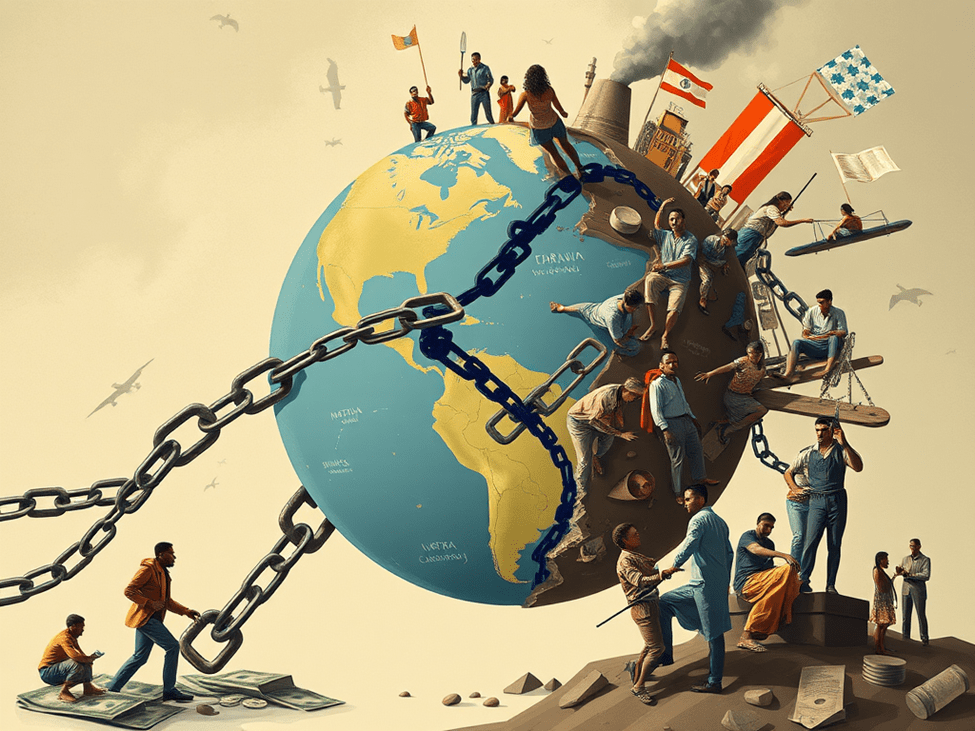

 Vision-Vista of JJ Baloch